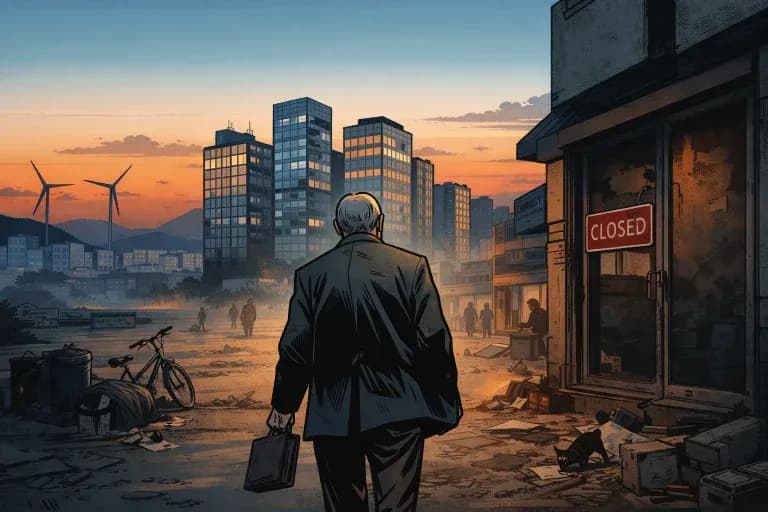
Why Housing Prices No Longer Reflect Urban Health in Busan
Busan’s housing market appears stable on paper, but rising prices increasingly mask weakening neighborhood economies and declining everyday consumption.
Busan news, in-depth reporting, and editorial insights covering the city’s politics, economy, development, institutions, and social change.
About this section
Coverage of Busan's politics, economy, civic institutions, and urban change, with local developments placed in their wider context.
Busan’s housing market appears stable on paper, but rising prices increasingly mask weakening neighborhood economies and declining everyday consumption.

Intended to reduce spatial disparities, Busan’s East–West balanced development instead redistributed population internally. Growth clustered in Gangseo-gu, while adjacent districts continued to lose residents.

The central challenge facing Busan is no longer how to restore growth, but how to govern a city in which demographic continuity can no longer be assumed.

Ridership data show an existing commuter base at Daejeo Station, but the line’s success depends on operating speed and the pace of development in Eco Delta City.
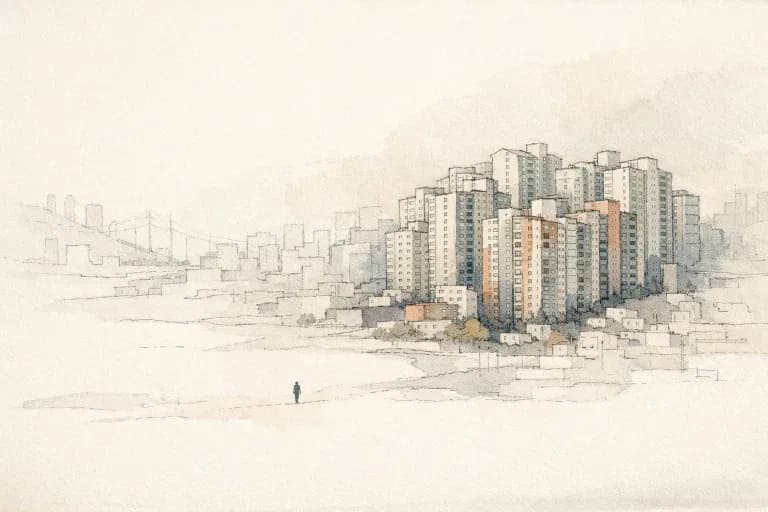
Recent signs of tightening in Busan’s jeonse market do not indicate a broad-based recovery. Instead, they reflect demand concentrating in a limited number of districts amid population decline, rising vacancy, and a gradual shift away from deposit-based leases.

More than four-fifths of Busan’s population loss over six months came from residents aged 20 to 39, compressing years of demographic change into a single reporting cycle.

Government AI systems do not merely assist work; they issue authoritative signals that shape rights, obligations, and trust.
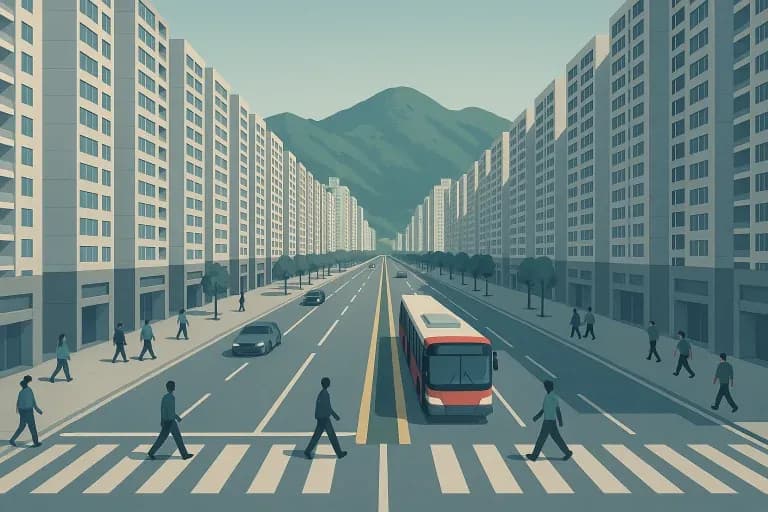
Transit access improved along Busan’s main corridors, but adjacent redevelopment failed to translate those gains into stronger street-level conditions.

For years, Busan has tried to revive its old hillside districts with small lifts, monorails, and planning models borrowed from flat cities. None of them have worked. The terrain—steep, fragmented, and rapidly aging—keeps breaking the plans long before they reach the ground.

The temporary headquarters sit between the station corridor and a hillside district marked by steep terrain, aging housing and long-standing redevelopment constraints.

Visitor growth has surged past 3 million, yet population loss, rising vacancy and weakening urban life reveal a deeper challenge.

Busan produces far more electricity than it uses, yet less than one terawatt-hour comes from renewable sources. Physical limits, stalled offshore plans and rising industrial demand leave Busan with no large-scale path to expand clean power.
Search within Busan or the wider site.