
SustainabilityNov 9, 2026
The Tomato Virus Challenging Modern Crop Resistance
As a new tomato virus reaches South Korea, scientists are discovering how crop resistance evolves—and what modern farming must do to protect future harvests.
The latest reporting and analysis from Breeze in Busan across Busan, national affairs, politics, economy, and business.
A clearer structure for newsroom updates, editorial direction, contextual analysis, and transparency records.
As a new tomato virus reaches South Korea, scientists are discovering how crop resistance evolves—and what modern farming must do to protect future harvests.

Busan’s international student population has surged to 24,328. Data on housing, language, wages and graduate jobs reveal what enrollment totals leave out.

ONE invested in a Busan terminal as CMA CGM launched a Japan–Europe route without Busan. Their decisions reveal the economics of transshipment, direct services and Arctic trade.

AI could let South Korean companies expand without hiring at the same pace. The effects reach beyond payrolls—to competition, wages and household spending.

Busan’s smart senior center plan meets an uneven city: older residents’ access to learning, work and community depends on more than devices or distance.

Busan is expanding university hospital capacity as cancer patients travel for specialist care. Our analysis follows treatment routes, funding and health outcomes.

Europe’s welfare states still reduce hardship. But housing, access to work and the spread of new technology also shape who can benefit from economic progress.

South Korea’s maritime ministry has moved to Busan, but North Port’s investment boundaries are changing. We trace the Expo bid, airport timetable and unresolved links to the old city.

Busan’s Beomil and Munhyeon districts are gaining homes and financial offices while North Port plans evolve. The public return depends on what reaches existing streets: accessible crossings, working infrastructure, viable local businesses and spaces people can actually use.
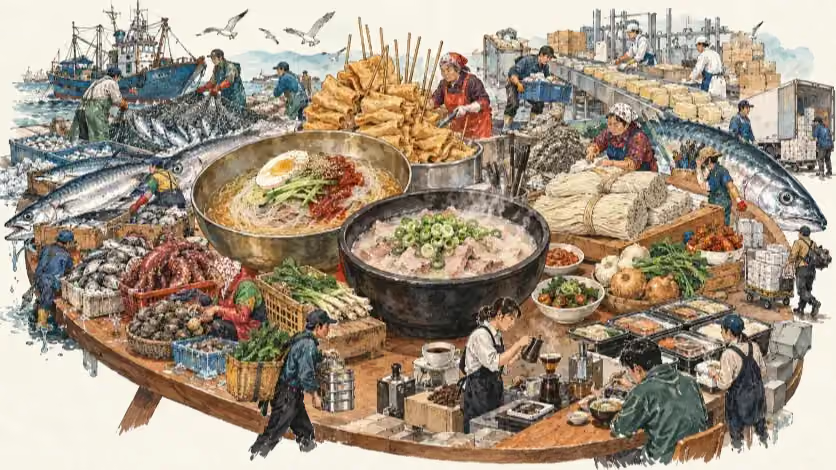
Busan’s food history stretches from river-clam vendors and wartime rice markets to factory lunchboxes, milmyeon, fish cake, pork soup and cafés. The meals that shaped the city were made by traders, cooks, families and workers—not just its famous restaurants.

Busan has about 958,000 apartments even as its population declines. Elevators, pumps and other shared systems will need renewal. Long-term repair funds, owners’ finances and reconstruction economics will shape the cost of keeping these homes usable.

Busan’s PENZ promises one school account for 12 years, while BeAT brings AI tutoring into classrooms. Lasting value depends on students keeping their work, questioning AI answers and learning to solve problems independently.
Earlier
Selected headlines and indicators that add context to the latest reporting.
Fast-moving Korean headlines that expand the latest report.
Fast local Korean headlines and regional developments moving around Busan right now.
A quick scan of the global stories shaping the wider frame.
Signals from high-velocity public conversation spaces.
Selected long-form conversations that deepen the newsroom file.
Browse more coverage, meet the authors, or contact Breeze in Busan.
News tips
Submit tips, leads, and local developments directly to the newsroom.
Submit a tipDirect contact
Reach editorial, partnerships, and support channels from one place.
Open contactBylines
Follow the writers and editors shaping the daily report.
View authorsCore desk
Return to the local reporting spine behind the latest file.
Go to deskWeekly archive
Read our curated weekly breakdown of the most important stories.
Read briefingTracking
Follow living reporting records as major stories keep moving.
View Files