Busan Bets on Classical Music as New Halls Rise Across the City
Busan is expanding its cultural capacity with three major classical music venues, aiming to transform performance access, audience growth, and the city’s long-term cultural landscape.

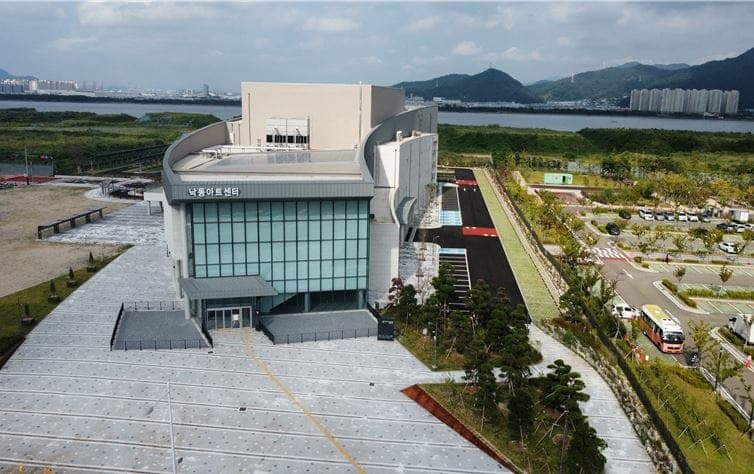
Busan, South Korea — In June 2025, the Busan Concert Hall opened its doors with a 2,011-seat auditorium, the city’s first world-class classical venue. Two more are on the way. The Nakdong Art Center will follow in January 2026, and the Busan Opera House is scheduled for July 2027. Together they form the most ambitious cultural infrastructure plan Busan has ever attempted. It is a story that began not with music, but with city planning.
Back in 2016, Busan City, Gangseo District, and the Korea Land & Housing Corporation signed an agreement linking real estate development to cultural investment. In return for zoning concessions in the Myeongji district, the state-run developer would finance and construct a major arts venue, then hand it over to the city at no cost—a mechanism known in Korea as gibu-chae-nap. Variations exist abroad, from Britain’s Section 106 to U.S. impact fee systems, but Busan’s version split responsibilities three ways: LH builds, the city owns, the district runs. It spreads the cost, though it also means long-term coordination will matter as much as construction itself.
The network now taking shape has a clear logic. The Busan Concert Hall anchors the city center with its vineyard-style architecture designed for orchestral sound. To the west, the Nakdong Art Center will bring a 987-seat shoebox hall and a smaller ensemble theater to an area long underserved by cultural facilities. And on the redeveloped North Port waterfront, the Busan Opera House will rise as the city’s first purpose-built home for opera and ballet, as well as large-scale international productions.
The case for all this rests not only on ambition but on demand. A 2024 survey found 84 percent of Busan citizens believe the arts improve daily life and build community, with cultural participation climbing from barely half the population in 2021 to nearly 86 percent by 2024 as pandemic restrictions lifted. Yet many respondents complained of poor access outside the city center and of performances they learned about too late. Western districts in particular cited a lack of venues—exactly what the Nakdong project promises to change.
Evidence from audiences backs this up. Trial concerts at the Nakdong Art Center sold out in minutes. The Concert Hall’s opening season drew capacity crowds. Nearly a quarter of Busan’s population is over 65, a demographic that has long supported classical programming. But younger families moving into the west are starting to appear in the ticket data too.
None of this removes the financial question. Most public concert halls in Korea depend on subsidies; Seoul’s Sejong Center, the country’s largest arts complex, covers only about half its costs through ticket sales and rentals. Busan will likely face the same math: a portfolio of public funding, box office income, sponsorships, and rental fees. The first seasons will be easy to sell. Keeping seats filled after the novelty fades will be harder.
Urban planners, meanwhile, see cultural effects beyond the arts economy. The Opera House is a centerpiece for the North Port waterfront, part of a strategy to bring tourism and public space into the city’s industrial harbor. The Nakdong Art Center gives western districts their first serious cultural stage, closing a long-criticized gap between downtown and outlying areas. Both projects include plans for youth education programs and community arts initiatives, hinting that the buildings will not sit empty between headline performances.
With three major venues opening within a few years, Busan is shifting from a long-standing shortage of performance spaces to a level of cultural capacity the city has never experienced. This rapid expansion opens opportunities but also creates new responsibilities. The issue is no longer about building halls; it is about how effectively they can be programmed, managed, and connected to audiences. Coordinated scheduling, professional production planning, and support systems for local arts groups will determine whether these venues become vibrant cultural centers or simply large buildings with empty calendars.
The real test will come in sustaining quality over time. A steady flow of high-level performances, diverse programming that reaches beyond core classical audiences, and financial strategies that balance public funding with earned income will be essential. Without these, the early excitement of new openings can quickly fade, leaving venues underused and cultural ambitions unmet. Busan’s challenge now is to ensure that the infrastructure serves as a platform for long-term artistic growth rather than a one-time construction achievement.
By 2027 Busan will finally have the performance spaces it has long lacked. The real question will be how these halls are used — whether the city can deliver consistent, high-quality programming, stable funding, and accessible pricing that keep them active and relevant. Their success will depend less on the architecture itself than on the networks of artists, institutions, and audiences that can turn new buildings into a sustainable cultural life for the city.
Continue this reporting
Reporting on the same issue
Related coverage selected from the article's desk, topics and newsroom relationships.
 NewsOct 22, 2026
Busan Port’s LNG and Methanol Plan: Who Pays to Keep Fuel Ready?
Busan already supplies ships with LNG and methanol, drawing on regional and i...
 NewsOct 16, 2026
What Is Still Worth Going to See?
Busan’s biennale faces questions of artistic judgment and institutional care....
 NewsOct 14, 2026
What Became of Busan’s University Streets?
From 2015 to 2023, registered businesses grew near Pusan National University...
More from the author
More from this byline
Stay with the same line of reporting through more work from this byline.
- NewsOct 22, 2026
Busan Port’s LNG and Methanol Plan: Who Pays to Keep Fuel Ready?
 NewsOct 12, 2026
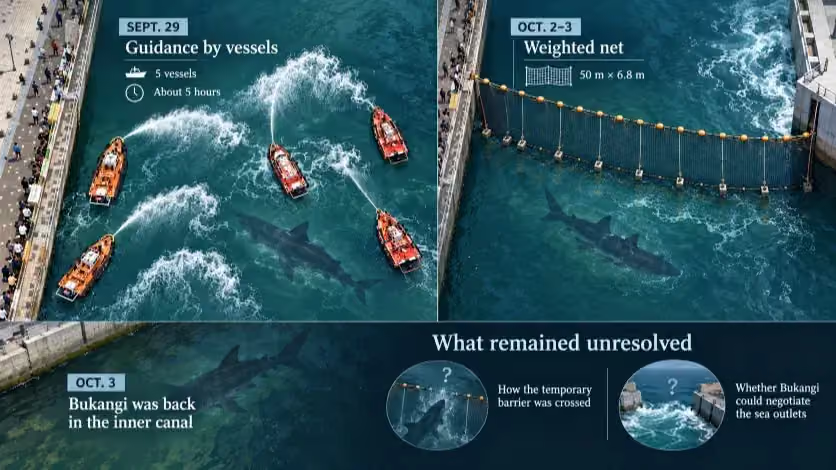
Bukangi, the Shark That Stayed in Busan’s North Port
Reader Signal
Community readWhat did this report leave you with?
Choose the signal that best reflects your reading. Select it again to remove it.
One response per article
No response selected
A moderated conversation about the reporting.
One-level replies and newsroom moderation keep the conversation anchored to this article.
Discussion Status
Open
Please sign in to join the discussion.
Newsletter
Weekly reporting and context from Busan and Korea.