The Two Lives of Korean Food
Ultra-processed foods carry Korea’s culinary identity across borders, while the traditional meals that built its reputation fade from daily life. The marketplace moves quickly; health follows slowly behind.
Explore wellness trends, fitness tips, and self-care insights for a healthier lifestyle.
Reporting and analysis from Breeze in Busan

Ultra-processed foods carry Korea’s culinary identity across borders, while the traditional meals that built its reputation fade from daily life. The marketplace moves quickly; health follows slowly behind.

Exclusive prescribing rights protected physicians’ autonomy but eroded accountability. Two decades later, policymakers and ethicists are redefining medical authority in the data age.

In many new Korean towns, parks are plentiful and sidewalks wide — yet car-oriented design makes driving the default, reducing daily walking.

Not all rest is equal. Beneath a few minutes of midday stillness, the brain may be doing its most subtle work—rearranging what we know, away from conscious effort.

Skipping lunch may sound extreme — until you see what a short nap, sunlight, or quiet time can do for your mind, metabolism, and mood.

High-functioning drinkers keep jobs, smile in meetings—and drink every night. Here’s how alcohol hides in plain sight in Korean life.
Cooling your rice, pasta, or bread may do more than change the texture—it can transform the starch into a gut-friendly, slow-digesting compound called resistant starch. New science and old traditions like toryeom and nurungji show us why.
In Korea today, the body of an overweight child is not just a health issue—it’s a mirror of class, policy, and what we as a society have chosen to ignore.
You run every morning. Same distance. Same route. And somehow, you’re not changing. What if the problem isn’t your effort—but your brain’s ability to predict it?

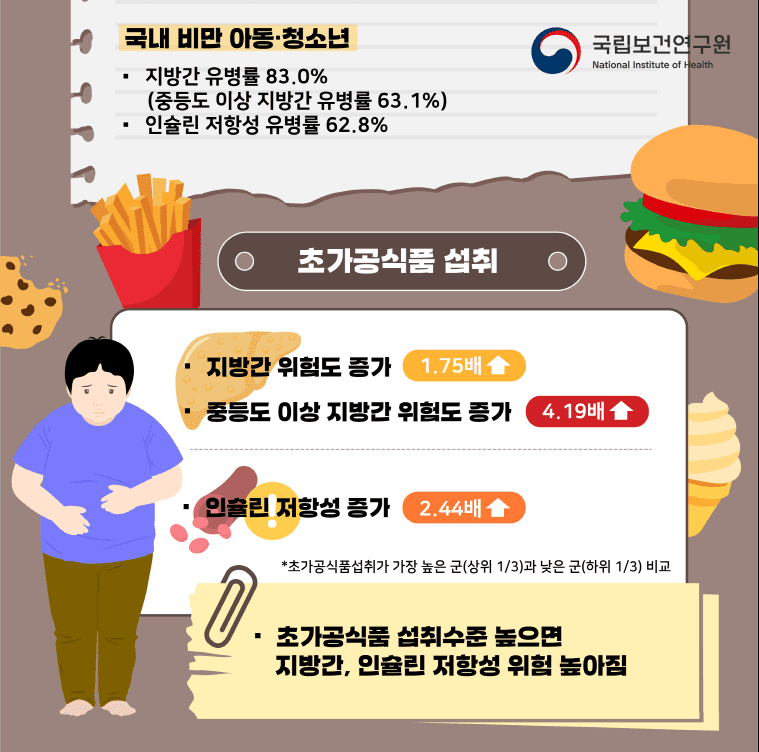
Seoul, South Korea – As diets increasingly shift towards convenience-driven options, a new study from the Korea Disease Control and Prevention Agency (KDCA) sounds an urgent alarm: ultra-processed foods (UPFs) are taking a toll on the health of South Korea's youth, especially those struggling with obesity. This research, spearheaded by the National Institute of Health (NIH) within the KDCA, reveals a concerning link between high UPF consumption and an increased risk of metabolic disorders, inclu

South Korea faces a growing public health challenge: it has one of the highest rates of stomach cancer globally. While this disease has many contributing factors, one of the most significant is the country’s traditional diet, which is rich in salt-heavy, fermented foods like kimchi, soybean pastes, and pickled vegetables. Although these foods hold cultural significance, their high sodium content has been linked to a greater risk of stomach cancer. However, this health crisis isn’t driven by die

As couples spend time together, they inevitably begin to influence each other’s habits, tastes, and even emotional patterns. But could sharing meals over time also lead to a deeper, more subtle form of influence—on their brain function, mood, and overall health? According to recent research in neuroscience, nutrition, and the gut-brain axis, the answer may be yes. The concept that food influences the brain is not new, but research into the gut-brain axis—the communication system between the gut
Search within Wellness or the wider site.