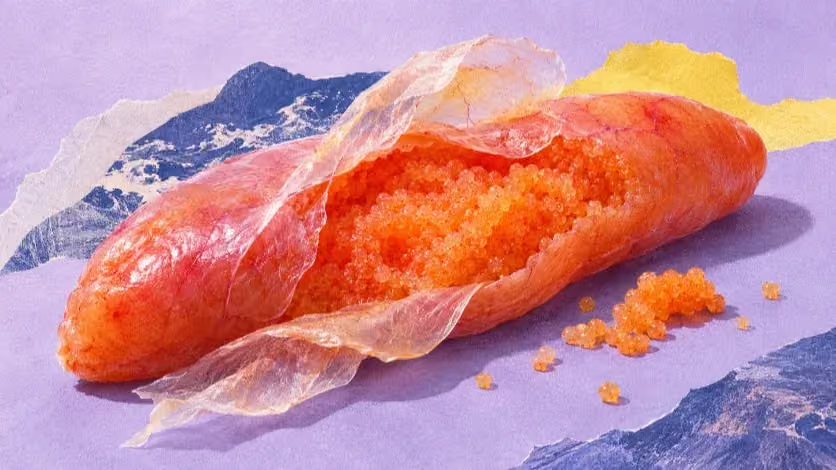
Pollock Roe in Busan: Food History, Texture and Fermentation
From Busan’s curing industry to Korean myeongranjeot, Japanese mentaiko and new fermentation research, pollock roe reveals how texture, history and protein chemistry shape a food.
In-depth features, explanatory journalism, and cultural stories exploring Busan, Korea, and the ideas shaping everyday life.

From Busan’s curing industry to Korean myeongranjeot, Japanese mentaiko and new fermentation research, pollock roe reveals how texture, history and protein chemistry shape a food.

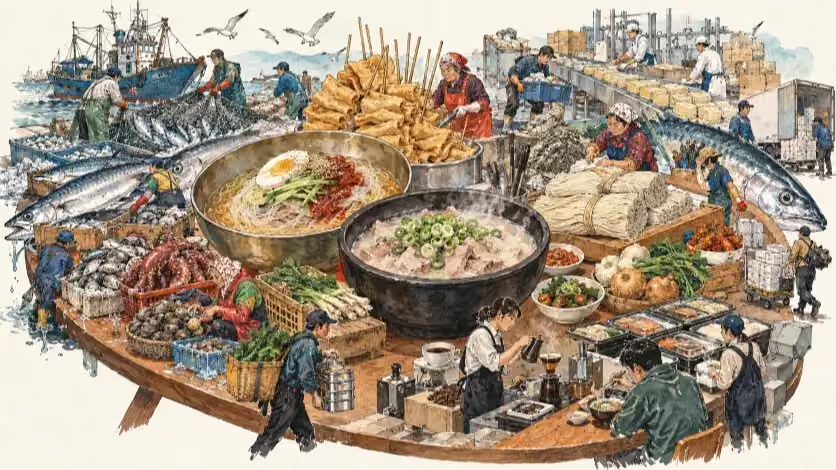
Busan’s food history stretches from river-clam vendors and wartime rice markets to factory lunchboxes, milmyeon, fish cake, pork soup and cafés. The meals that shaped the city were made by traders, cooks, families and workers—not just its famous restaurants.

South Korea’s younger adults are not simply turning away from alcohol. They are judging it more harshly against sleep, work, money and the next day, weakening one of the country’s old social routines in the process.

Generative AI has standardized language and accelerated communication. Poetry and difficult texts have returned as tools for reclaiming interiority and thought.

Korean students read Hangul with ease yet struggle with meaning. COVID widened gaps, but systemic flaws now drive a lasting literacy crisis.

Busan’s rugged landscape has shaped its dense, adaptive urban form — now offering insights into climate resilience and terrain-conscious planning.

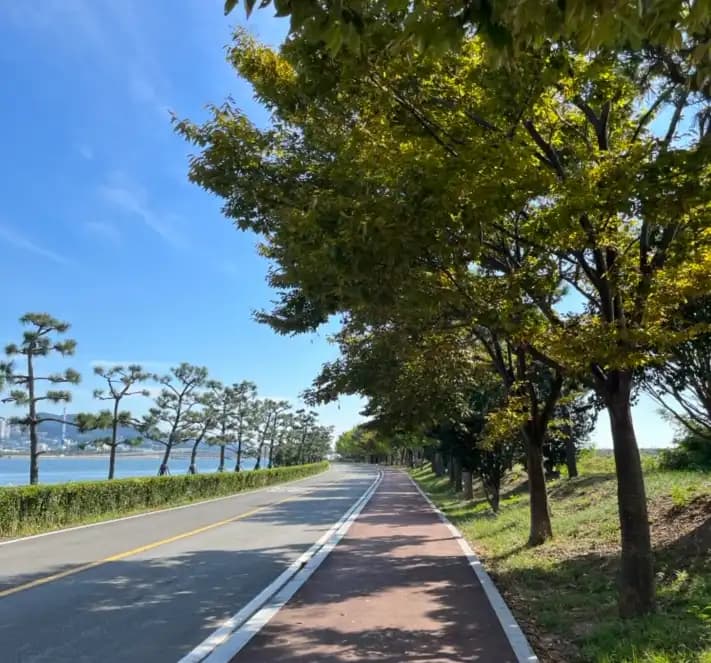
Eulsukdo Island in Busan offers more than a run—it offers a rare space to breathe, listen, and slow down. A story of movement and quiet renewal.
In Korean, speech is a social negotiation. Beneath its grammar lies a system designed not just for expression, but for empathy, calibration, and belonging.
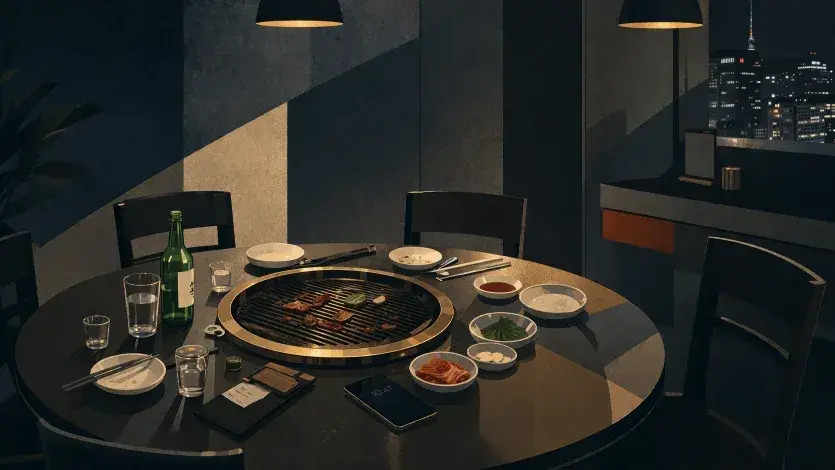
South Korea has one of the highest alcohol consumption rates in Asia, but its drinking problem doesn’t look like chaos—it looks like composure. Soju, once a communal spirit, has evolved into a quiet, everyday anesthetic, deeply woven into food, media, and workplace culture.

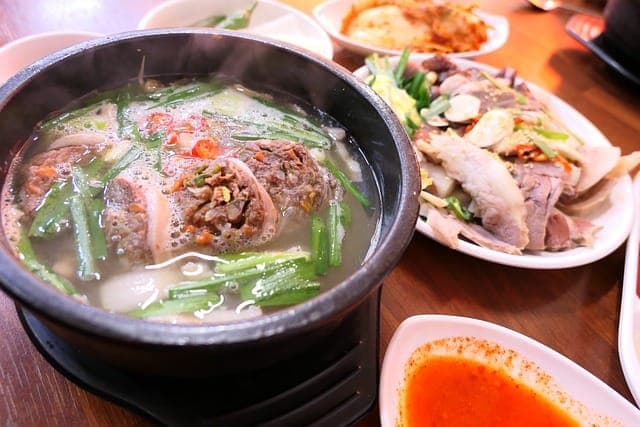
Dwaeji gukbap, once an affordable Korean comfort food, now costs more than a McDonald’s Big Mac set. Rising inflation, ingredient shortages, and labor costs have driven traditional food prices higher, while fast food remains relatively cheap.

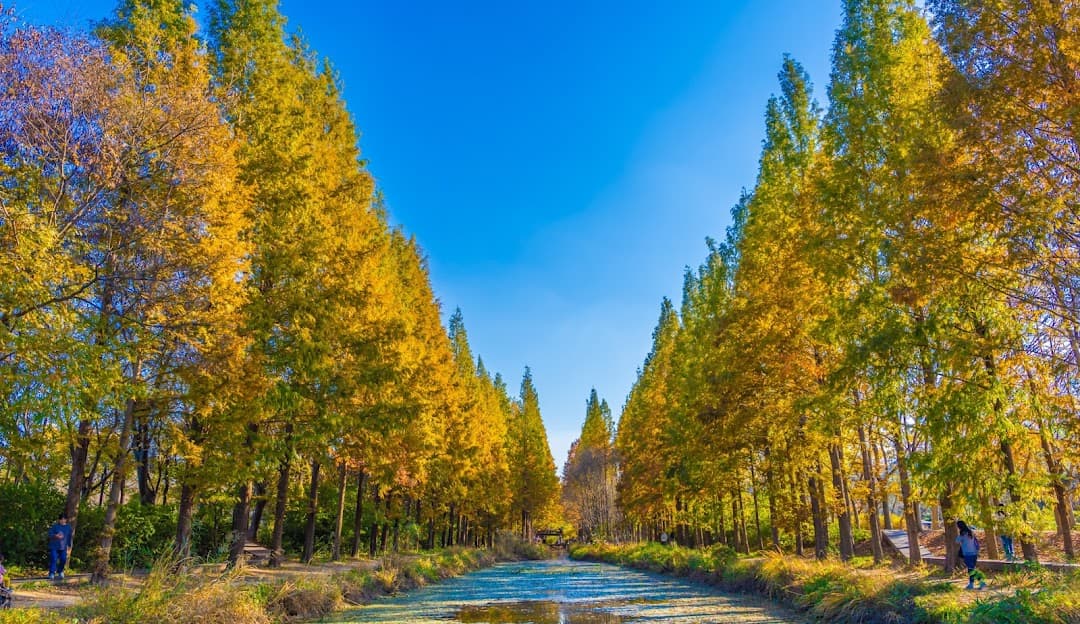
As the vibrant hues of autumn begin to wane, the ancient city of Gyeongju offers a final opportunity to revel in the season’s golden splendor. Known as the "museum without walls," Gyeongju seamlessly weaves together Korea’s rich cultural heritage and natural beauty. This season, the city shines brighter than ever with its Gyeongbuk Millennium Forest Garden, a newly emerging hotspot for breathtaking autumn foliage, and Seongdong Market, where traditional Korean flavors provide warmth and comfort

Imagine this: as you explore Busan, your favorite music in your ears, you board the 86 bus and let it take you through the winding sanbokdoro roads. With the cityscape and sea unfolding outside, the bus becomes your moving sanctuary—a moment of peaceful reflection. Why not take a break from the hustle, and let the scenic route inspire your own personal journey? Every city has its hidden gems, but few reveal their treasures quite like Busan’s 86 bus. For travelers venturing beyond the polished b
Search within Discover or the wider site.