Reporting, analysis, and commentary on sustainability from Breeze in Busan.
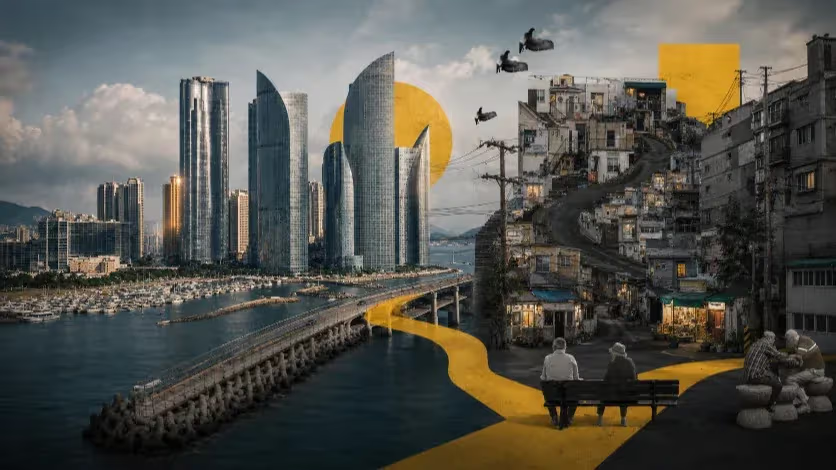
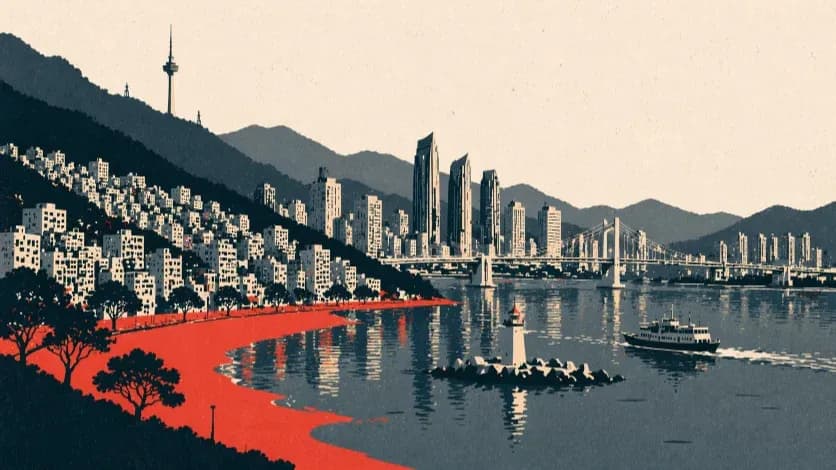
Busan’s skyline soared upward while its public horizons quietly receded. Beaches, ridges, and memorial landscapes now stand at the edge of a slow transformation—one in which the view itself becomes a form of private ownership, and silence becomes the city’s most powerful development tool.
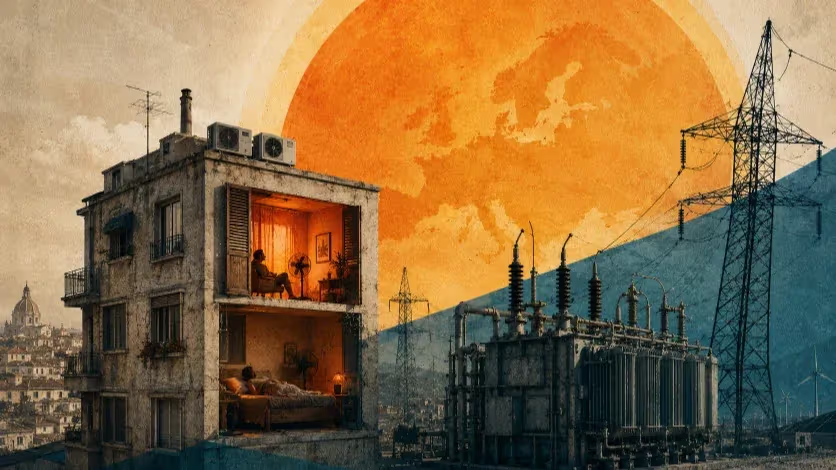
As Busan markets itself as Korea’s next AI and data hub, its energy system tells another story — one dominated by nuclear and imported LNG. With renewables under 3%, the city’s digital ambitions risk colliding with the realities of RE100 compliance and carbon-border regulation.
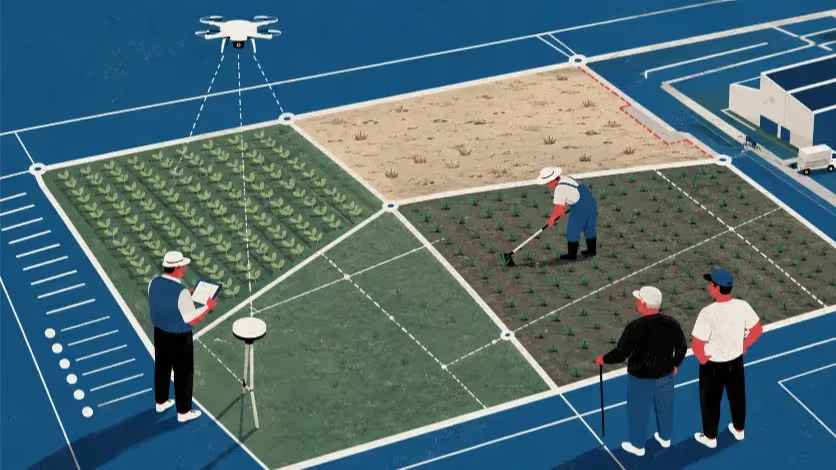
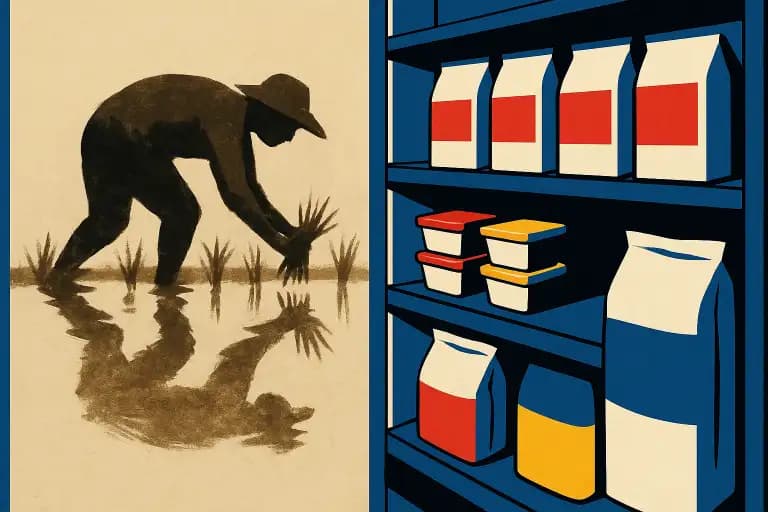
Rising market prices have not translated into higher farm incomes. With fertiliser and labour costs outpacing gains, farmers remain on the brink. Treating rice only as a consumer story risks undermining the very sector that ensures food security.
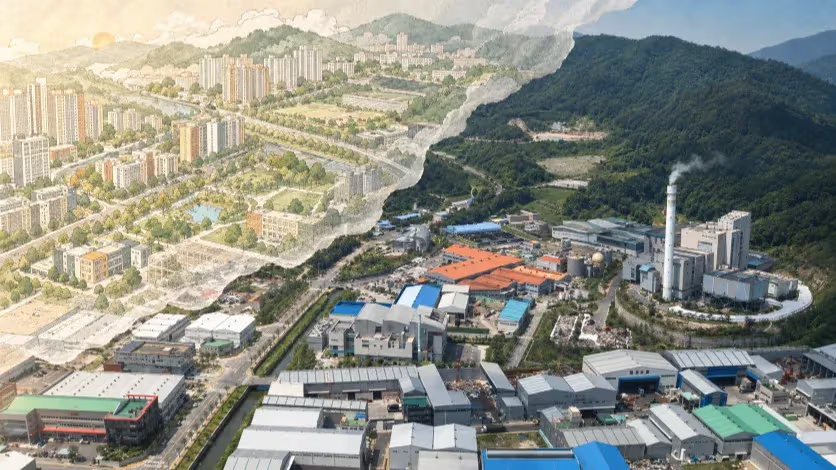
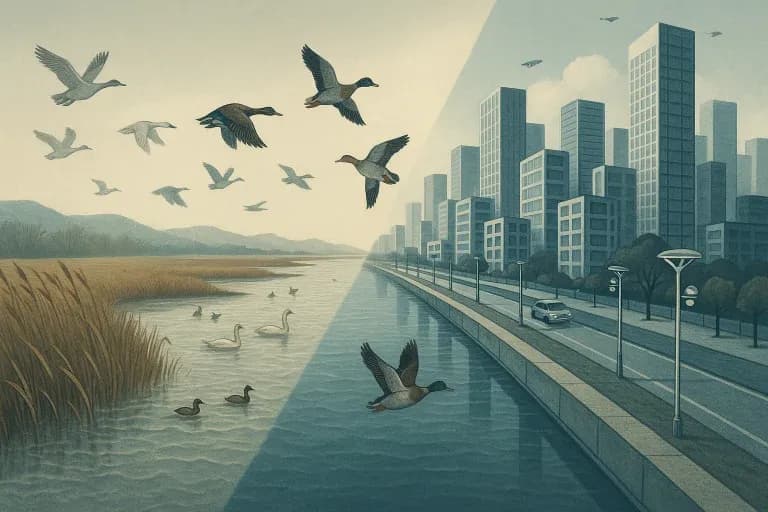
Eco Delta City was marketed as South Korea’s next-generation urban innovation zone. What unfolded was something else entirely—soil contamination, missing utilities, and housing priced out of reach. Built by public agencies, developed for private gain.