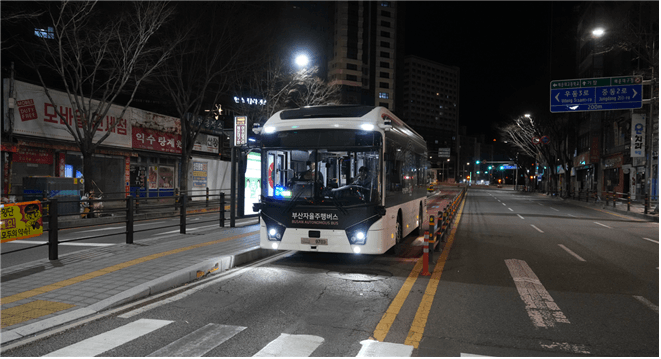
How Autonomous BRT Is Redefining Accessibility in Busan
A late-night autonomous BRT service in Busan highlights a broader shift in urban mobility: from extending networks to sustaining everyday access in aging, post-industrial cities.
Busan news, in-depth reporting, and editorial insights covering the city’s politics, economy, development, institutions, and social change.
About this section
Coverage of Busan's politics, economy, civic institutions, and urban change, with local developments placed in their wider context.
A late-night autonomous BRT service in Busan highlights a broader shift in urban mobility: from extending networks to sustaining everyday access in aging, post-industrial cities.
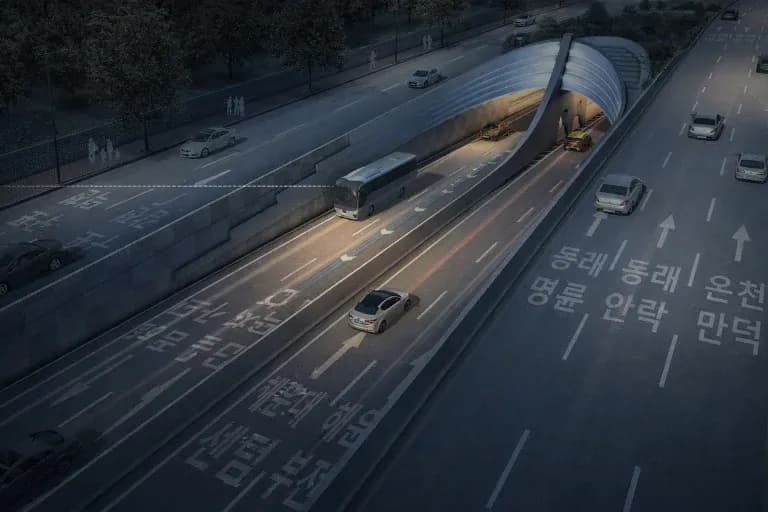
Busan’s future will be determined not by how quickly vehicles cross the city, but by whether urban policy allows life to take root where the roads no longer stop.

Busan’s port thrives, but modern maritime value is captured elsewhere — and without command functions, logistics cannot sustain a city.

For two decades Busan tried to swap factories for festivals, betting on film, cruises and MICE to replace heavy industry. The city gained visitors and visibility but not headquarters, research jobs or reasons for young people to stay. It became more famous, but less viable.
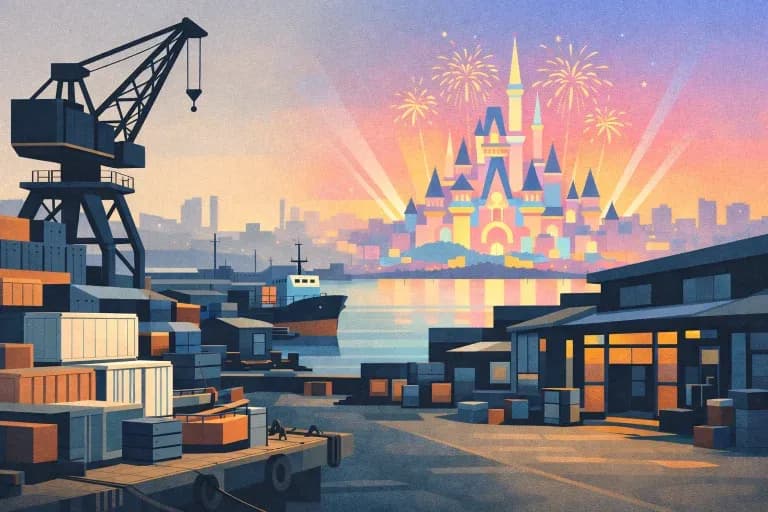
Dadaepo’s decline is rooted in the deterioration of fisheries, cold-chain logistics, and small maritime manufacturers. A theme park cannot replace the industrial ecosystem required to retain youth and stabilize neighborhoods.
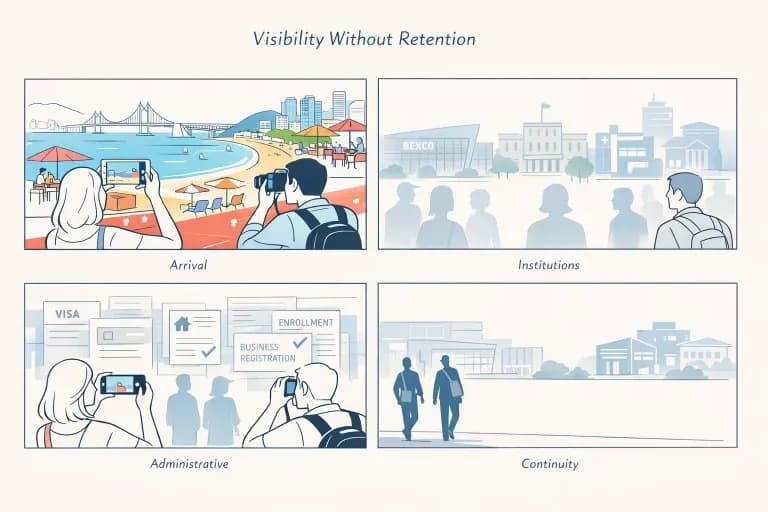
Busan’s international content targets visitors rather than residents, investors, researchers, or entrepreneurs, limiting the city’s long-term international capacity.
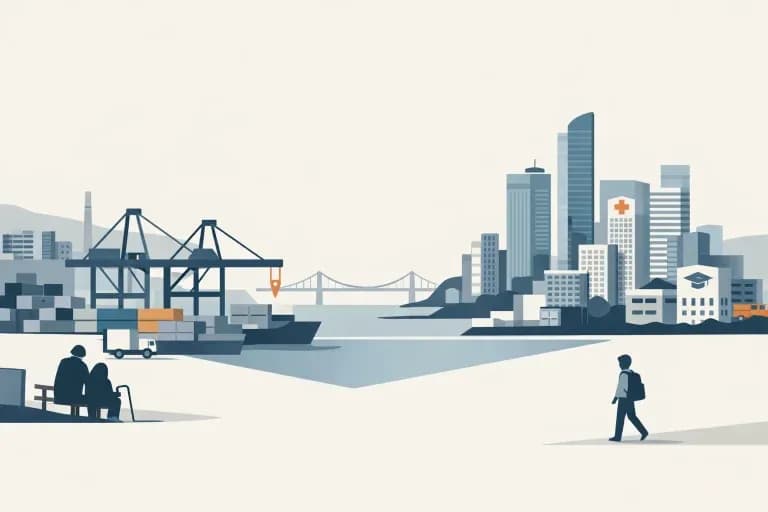
Busan’s shift from growth to shrinkage exposed a planning system unable to adapt to demographic and industrial decline.

Redevelopment reshaped the city, but industrial substitution never arrived. The next decade will test whether maritime innovation and physical AI can anchor a second industrial turn.
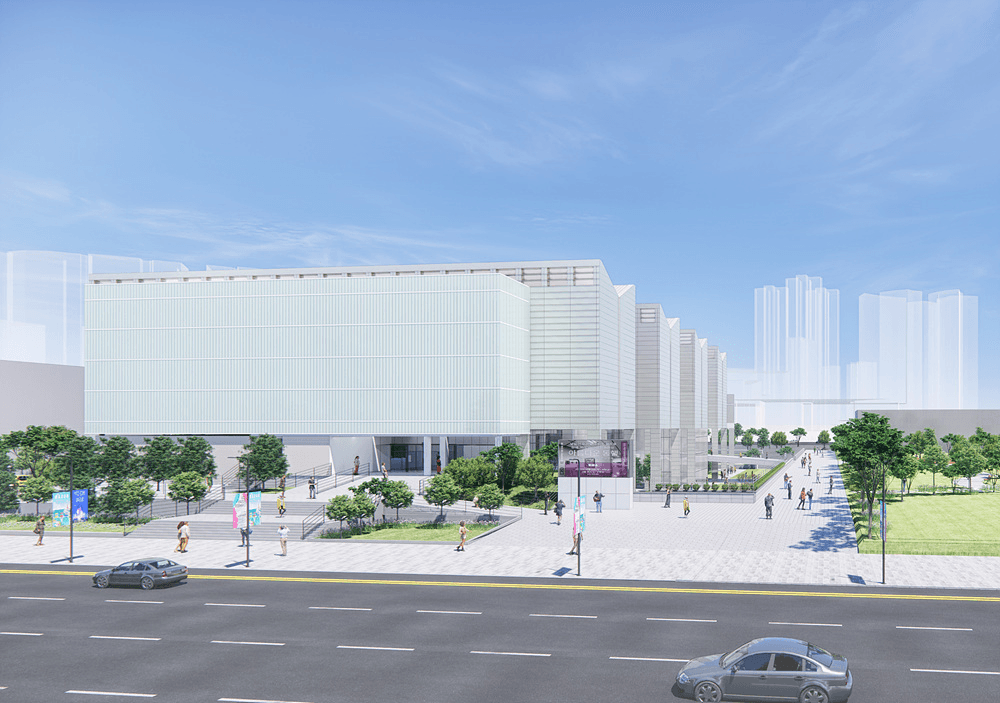
Closed since late 2024, the Busan Museum of Art will return amid rising competition from public and private venues, with plans that test how a municipal museum defines its public role in a changing art ecosystem.
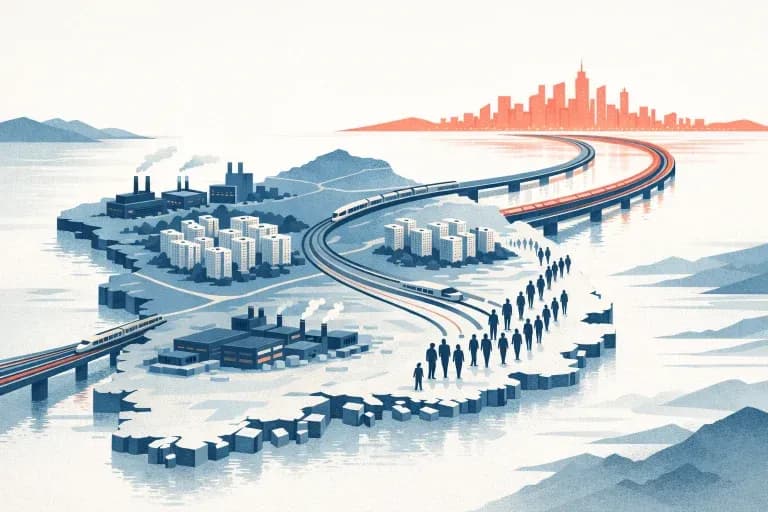
Support for a Busan–South Gyeongsang administrative merger has risen sharply ahead of local elections. Evidence across housing, industry, and mobility suggests consolidation alone may not resolve the region’s underlying economic and demographic pressures.
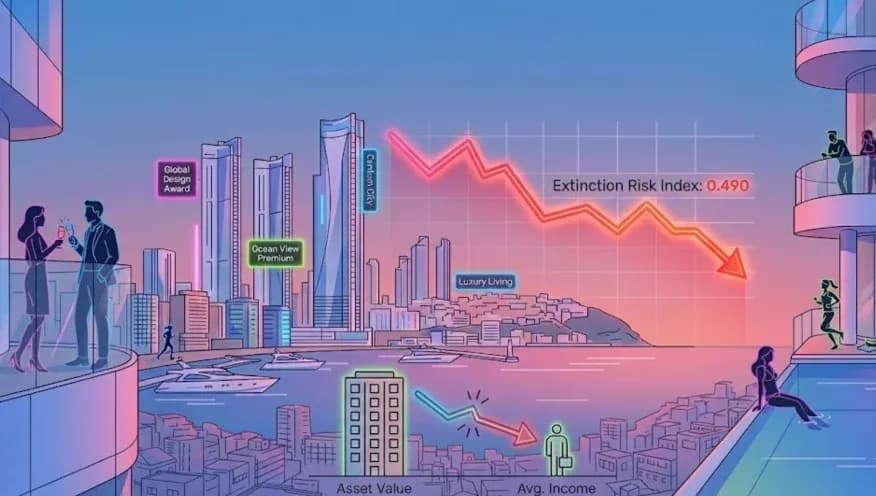
Housing prices in Busan have stabilized in select districts, even as the population and income base required to sustain urban life continues to erode.
Busan appears to be recovering as visitor numbers and participation metrics rise. Beneath these indicators, however, the city’s capacity to retain workers, sustain stable employment, and function as a metropolitan center continues to erode.
Search within Busan or the wider site.