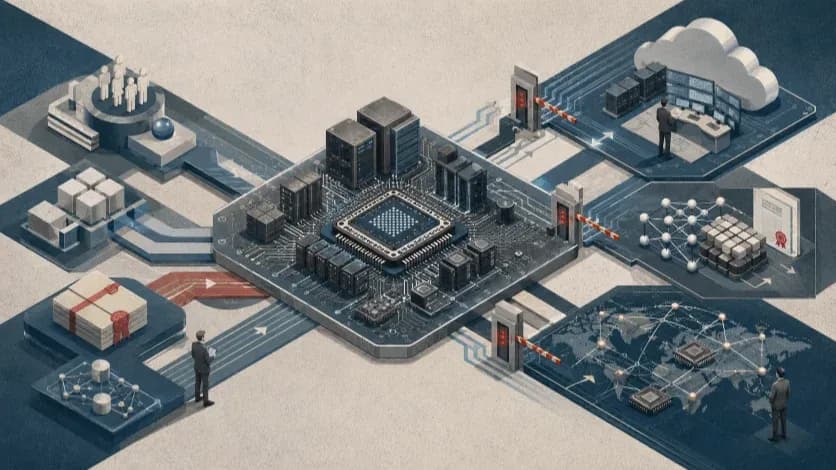
Leeno’s Labor Dispute Tests the Model Behind a 47.5% Margin
Leeno Industrial’s union dispute over an 800% regular bonus and 15% profit sharing is testing the Busan semiconductor supplier’s high-margin production model and factory expansion.
Reporting and analysis on business, corporate strategy, investment, startups, regulation, and market developments in Korea and beyond.
Reporting and analysis from Breeze in Busan
Desk Focus
This desk tracks companies, industry, corporate strategy, and regulation, with an emphasis on how business developments reshape Busan and Korea.

Leeno Industrial’s union dispute over an 800% regular bonus and 15% profit sharing is testing the Busan semiconductor supplier’s high-margin production model and factory expansion.

Oil prices can recover long before tankers, insurers and refiners trust Hormuz again. The result is a costlier energy system built around alternative routes, strategic stocks and contracts designed to survive the next failed ceasefire.

Busan has concentrated maritime administration, shipping companies, public finance and research. Its next test is whether finance, insurance, shipbroking, law and data can turn proximity into recurring business.

A record $102 billion export month showed how AI semiconductors can lift Korea’s trade account. The next test will come from defect rates, machine downtime, port delays and supplier margins.

Busan’s inflation rate stayed below the national figure in May, but the city’s business exposure tells a sharper story. Diesel, freight, food services, lodging and supplier contracts are squeezing local firms with limited pricing power.

Busan did not create Kumyang’s financial crisis, but the city helped place the company inside a public story of industrial renewal. Once the battery plan unraveled, the damage spread beyond shareholders to suppliers, lenders, workers and the credibility of regional policy.

As thousands of older-owner SMEs face uncertain handovers, Busan is turning to M&A financing. The deeper question is whether the city can keep industrial know-how, jobs and ownership rooted locally after founders retire.

In South Korea, subscriptions now reach far beyond entertainment, spanning streaming services, shopping memberships, appliance rentals and AI tools. Together, they have become a structural part of daily life, steadily lifting the baseline cost of participation, especially for younger consumers.

A data breach affecting more than 33 million accounts failed to drive users away from Coupang, revealing how speed has become the default condition of everyday consumption.

Busan’s tourism corridors stay full, yet the city continues to lose its young. Behind the bright surface lie weakened industries, vanished headquarters, and a labour market no branding campaign can repair.

For Busan, the danger is systemic. A city with one of the highest self-employment rates in South Korea is watching its commercial backbone weaken simultaneously in old cores and new towns.

Raids on Korean workers at Hyundai–LG’s Georgia plant expose the contradiction between U.S. immigration policy and its reshoring agenda.
Search within Business or the wider site.