The End of Functional Labor
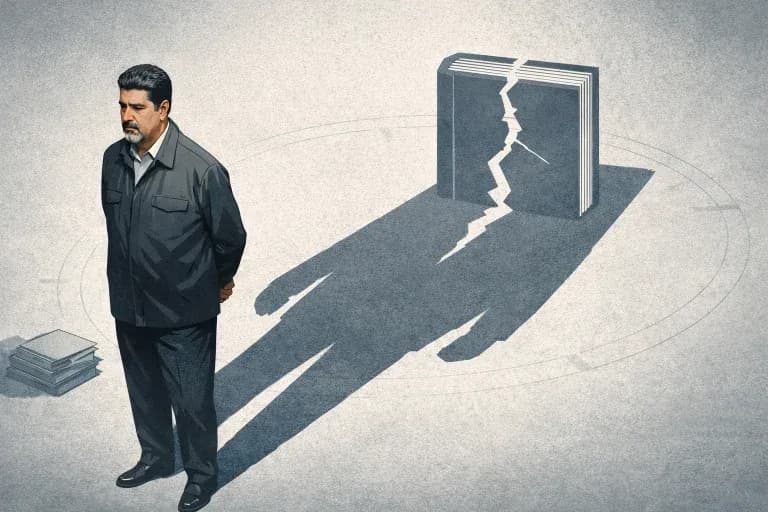
When functional competence becomes abundant, markets reprice labor around the scarce ability to bear risk, authorize outcomes, and justify decisions. In the AI economy, the bottleneck is not production but approval.
Where big questions meet everyday life. From AI ethics to urban solitude, explore ideas that challenge how we think, live, and connect in a changing world.
Reporting and analysis from Breeze in Busan

When functional competence becomes abundant, markets reprice labor around the scarce ability to bear risk, authorize outcomes, and justify decisions. In the AI economy, the bottleneck is not production but approval.

The postwar order was built on a simple expectation: force would wait for law. In 2026, that expectation no longer holds.

AI is not merely accelerating learning; it is reshaping the ecology of cognition. And without a philosophical anchor, education risks surrendering the very capacities that make us human.

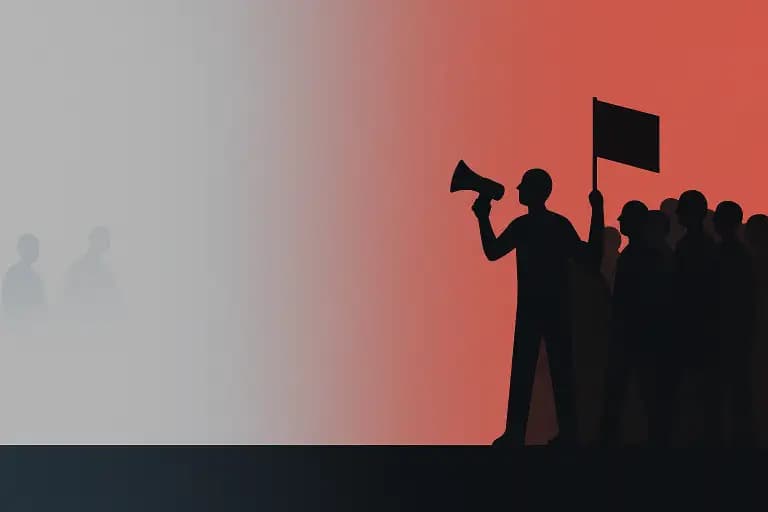
The hate rallies in Seoul’s Myeongdong district do not resemble the candlelight vigils that defined Korean democracy. Instead, they echo repertoires seen in Japan and the US.

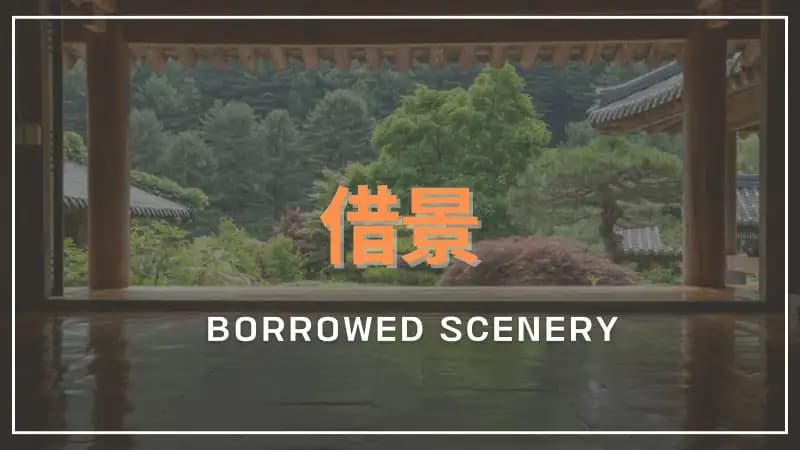
Korean chagyeong, the art of borrowing scenery, weaves distant mountains, rivers, and seasonal light into the living fabric of everyday space.

Algorithms assign the tasks. Platforms reap the value. But the human presence behind labor is fading from legal, social, and existential view.

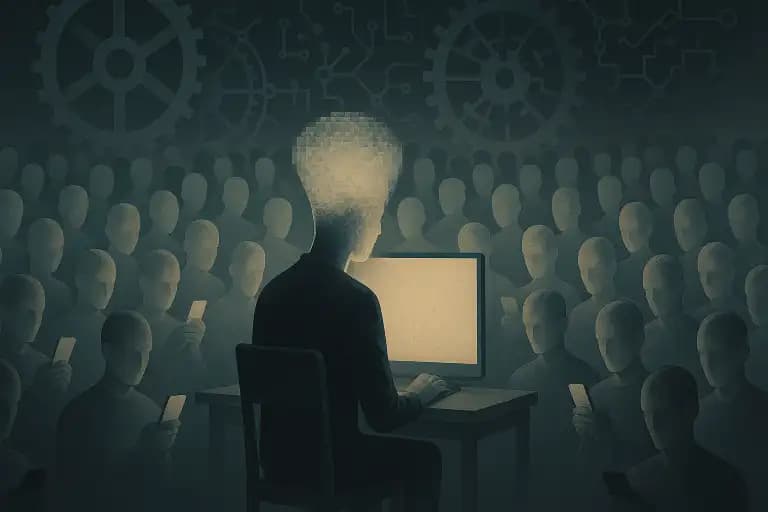
In a world of infinite content, we are seeing fewer perspectives. As AI curates our lives, critical thinking, intellectual diversity, and even empathy are quietly slipping away.

When a third element enters a system — in science, in thought, in selfhood — the world no longer behaves predictably.

Despite their historical role in driving cultural movements, young creators are increasingly sidelined in favor of safe, nostalgia-driven content.
From short-form videos to ultra-processed food, today’s culture isn’t just fast — it’s engineered to bypass reflection. Modern life trains us to react, not reflect. What’s lost in this shift isn’t just attention — it’s our capacity to ask why.
Religious doctrines may fade, but deeper patterns endure.In South Korea, ancient traditions have migrated from temples into gestures, emotions, and social expectations.This is a story about how we live what we no longer believe—and why it matters.
We live surrounded by words, yet thinking has never been so endangered. When machines speak and we stop listening inwardly, we lose more than knowledge—we lose ourselves. This is a call to restore the slow, dangerous beauty of reflection in a world obsessed with immediacy.
Search within Philosophy or the wider site.