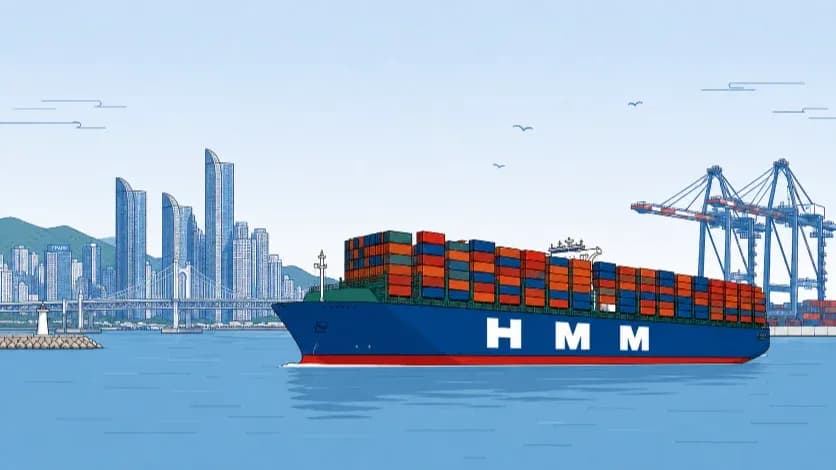
Polestar Turns to Busan as Chinese Manufacturing Faces Western Scrutiny
Polestar’s financial constraints, narrowing U.S. product lineup, and exposure to evolving policy regulations make Busan a necessary adjustment rather than an expansionary move.
Discover the latest news from Busan, covering local events, economy, politics, and culture. Stay informed with Breeze in Busan.
Reporting and analysis from Breeze in Busan
Desk Focus
This desk tracks Busan's politics, economy, civic institutions, and urban change, while connecting local developments to the wider newsroom file.

Polestar’s financial constraints, narrowing U.S. product lineup, and exposure to evolving policy regulations make Busan a necessary adjustment rather than an expansionary move.
Search within Busan News or the wider site.
Busan presents a striking contradiction: a city saturated with innovation programs, workation zones and startup hubs, yet steadily losing the people and industries that once defined its strength. Its quiet unravelling reveals the deeper limits of South Korea’s activity-driven regional policy.

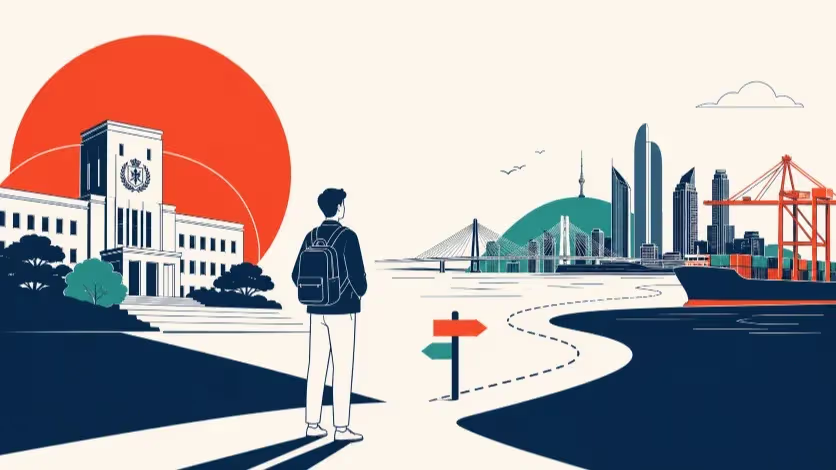
Despite producing thousands of engineering and science graduates each year, Busan struggles to retain them. Limited research positions, fragmented data systems, and thin institutional depth leave the city at a disadvantage as AI reshapes national competitiveness.

In a city losing both its young people and its industrial core, the revival of the remote-work storyline reads less like analysis and more like wishful thinking.

Busan’s Eco Delta project, a 5.6-trillion-won national smart-city initiative, opened with a showcase of basic residential robots rather than the integrated urban systems it once promised.

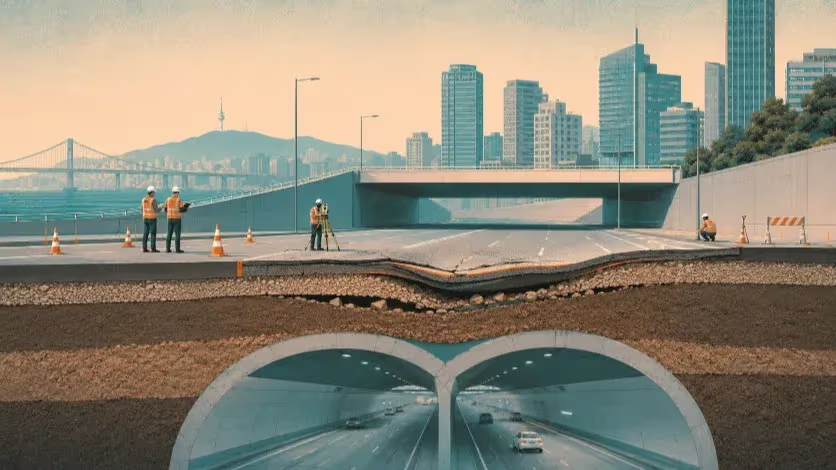
A string of collapses along the Sasang–Hadan Line reveals a project pushed through fragile ground with incomplete cutoff, improvised sequencing, and oversight too fragmented to detect the warnings forming beneath the surface.

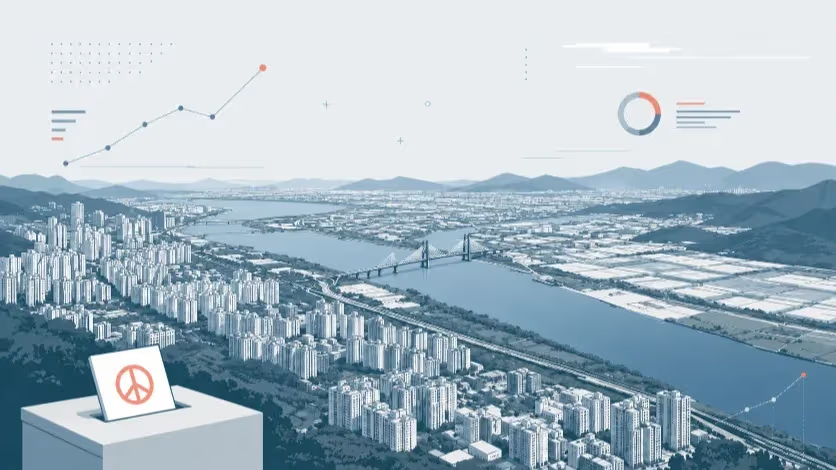
Calls for a Busan–Gyeongnam merger echo the rhetoric of regional revitalization but overlook its cause — the hollowing of local autonomy. Without stronger local leadership and fiscal independence, integration may simply redraw the map without changing the reality.

Busan’s plan to lift height limits near the UN Cemetery aims at “rational regeneration” but exposes a deeper paradox—growth without renewal.

Busan will implement full free childcare for children aged three to five beginning in 2026, eliminating all remaining out-of-pocket costs for parents and extending new benefits to foreign-national families.

Busan marks the 20th year of its fireworks festival this weekend with its largest show yet over Gwangalli Beach. About a million spectators are expected as more than 7,000 personnel are deployed to ensure a safe, orderly night along the waterfront.

Each era called it progress, but the pattern never changed. Busan filled its seas and rivers to build new ground, trading geography for growth. A century later, the city faces the question it has long avoided—what to stand for, not just where to stand.

A 500 MWh energy-storage system and AI-powered grid management anchor a new experiment in industrial efficiency. The deeper challenge is not hardware but governance.