Reporting, analysis, and commentary on busan news from Breeze in Busan.
Busan, South Korea – In the shadows of Busan’s shimmering skyscrapers lie its older districts—Jung-gu, Dong-gu, Seo-gu, and Yeongdo-gu—areas that once formed the heartbeat of the city. Today, these neighborhoods are grappling with a surge in vacant homes, crumbling infrastructure, and dwindling populations. Set against the steep backdrop of Busan’s iconic hillsides, these challenges are compounded by the city’s unique geography, making redevelopment both a necessity and a complex puzzle. Yet, wi
Busan, South Korea — A city built on the strength of its manufacturing prowess now faces an industrial reckoning. Once a titan of shipbuilding and heavy machinery, Busan’s manufacturing sector now struggles against the tide of global innovation and an aging industrial base. Yet, amidst these challenges lies an opportunity for transformation—one powered by the tools of the Fourth Industrial Revolution. With the rise of digital technologies such as the Internet of Things (IoT), artificial intelli
Busan, South Korea – In a pivotal move to combat the escalating crisis of plastic pollution, representatives from over 170 nations are gathering in Busan for the fifth session of the Intergovernmental Negotiating Committee (INC-5). This meeting aims to finalize a legally binding international treaty addressing plastic pollution, with a particular focus on marine environments. Since the mid-20th century, global plastic production has surged dramatically. Annual production skyrocketed from 2 mill
Busan, South Korea - Faced with a growing number of vacant houses scattered across its neighborhoods, Busan City has unveiled a comprehensive plan to tackle this pressing urban challenge. The "Busan-style Vacant House Redevelopment Strategy," announced during the 47th Emergency Economic Meeting on November 21, outlines a bold vision to address urban decay and transform abandoned properties into vibrant community spaces. The strategy, spearheaded by Mayor Park Heong-joon, focuses on innovative h
Busan, South Korea - Two ground subsidence incidents in Busan have highlighted significant challenges in the city’s urban infrastructure, prompting safety concerns and urgent responses from local authorities. The accidents, which occurred on August 20 and 21, involved sinkholes forming in two key areas, disrupting daily life and exposing vulnerabilities in construction practices. On August 20, a sinkhole measuring 7 meters in width, 5 meters in length, and 3.5 meters in depth appeared at Saebye
Busan, South Korea - In the heart of South Korea’s maritime industry, a transformation is brewing. Busan, home to one of the world’s busiest ports, is preparing its case to host the nation’s first-ever maritime court. Yet, while the city’s strategic importance as a logistics hub is unquestioned, a critical piece of the puzzle remains missing: a steady pipeline of legal experts equipped to navigate the complexities of maritime law. For Busan to fulfill its ambitions as a global maritime leader, e
Busan, South Korea - Busan Metropolitan City and Jeju Special Self-Governing Province have entered into a formal partnership aimed at advancing the "15-minute city" concept—a progressive urban model prioritizing accessibility and sustainability. The agreement was signed on November 20, 2024, during a ceremony at Busan City Hall, with Mayor Park Heong-joon of Busan and Governor Oh Young-hoon of Jeju in attendance. The initiative seeks to establish a framework for shared policies, cooperative pro
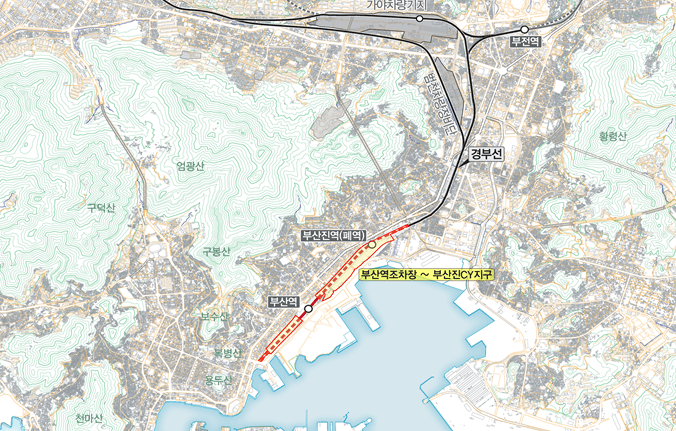
Busan, South Korea - Busan, a city deeply rooted in its vibrant baseball culture, is on the verge of a transformative decision. While plans to redevelop Sajik Baseball Stadium are well underway, an alternative proposal to construct a world-class baseball stadium in North Port is gaining attention. Advocates see this as a potential catalyst for urban renewal in Busan’s aging downtown, promising economic revitalization and cultural vibrancy. Busan’s Sajik Baseball Stadium has long been a symbol o
Busan, a city at the forefront of urban innovation, is ambitiously pursuing its transformation into a “15-Minute City.” At the heart of this initiative is the acclaimed “Deullak Nallak” children’s cultural complex, alongside infrastructure revamps and sustainability projects. However, as the city navigates its unique geographical constraints and socio-economic disparities, questions linger about the feasibility and sustainability of its ambitious plans. The 15-Minute City is a revolutionary urb
Busan, South Korea - Busan is set to host the "Circular Economy Era: Busan Forum" on November 26, 2024, at the BEXCO 2nd Exhibition Hall, cementing its role as a pioneer in sustainable development. The forum, closely linked to the United Nations’ INC-5 negotiations on plastics, will bring together global and local experts to explore innovative solutions for plastic recycling and circular economy practices. As the world grapples with the mounting challenges of plastic pollution, Busan is taking
Busan, South Korea - The Busan Metropolitan Office of Education has announced plans to establish a Nuclear Power High School, aiming to develop a workforce equipped to contribute to the small modular reactor (SMR) sector. While the initiative reflects South Korea's efforts to position itself as a global leader in advanced nuclear technology, its feasibility and relevance in the context of current global energy trends and education challenges warrant close examination. 1. Limitations of Nuclear
Busan, South Korea - South Korea is at a critical juncture in its efforts to address demographic challenges, labor shortages, and global competitiveness. At the heart of this initiative is the plan to establish the country’s first-ever Immigration Office (이민청), which would centralize and streamline immigration services. While cities like Ansan, Incheon, and Gimpo are making strong cases to host this pivotal institution, Busan’s unique attributes make it a compelling and potentially overlooked ca