Busan SMEs Struggle with Profit Declines Amid Rising Raw Material Costs
Busan, South Korea – The sharp rise in the U.S. dollar-South Korean won exchange rate has placed significant financial strain on businesses in Busan, particularly those heavily reliant on imported raw materials. According to a recent emergency survey conducted by the Busan Chamber of Commerce and Industry, companies in the steel, food, and chemical sectors are facing increasing operational challenges as import costs escalate. With many commodities priced in USD, businesses are now paying substa

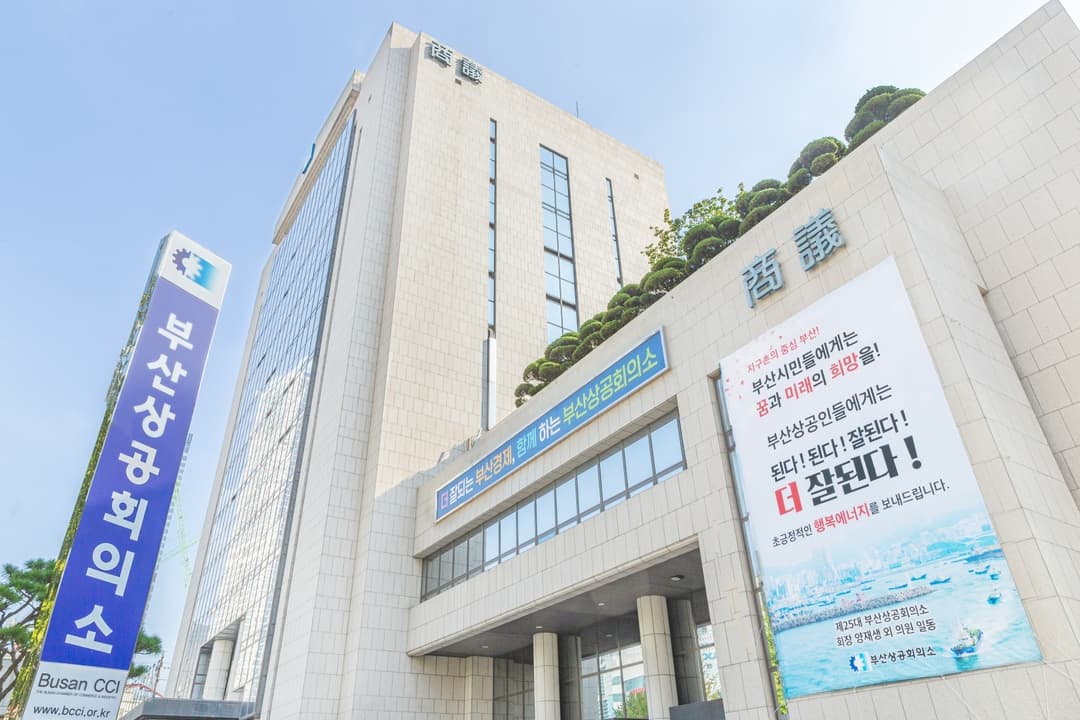
Busan, South Korea – The sharp rise in the U.S. dollar-South Korean won exchange rate has placed significant financial strain on businesses in Busan, particularly those heavily reliant on imported raw materials. According to a recent emergency survey conducted by the Busan Chamber of Commerce and Industry, companies in the steel, food, and chemical sectors are facing increasing operational challenges as import costs escalate.
With many commodities priced in USD, businesses are now paying substantially more for raw materials, eroding profit margins and putting operational sustainability at risk. While larger, export-driven corporations—particularly in sectors like technology and automotive—are benefiting from the weak won through increased global competitiveness, import-reliant SMEs lack the financial flexibility to absorb these rising costs.
The situation in Busan reflects a broader global trend caused by the strength of the U.S. dollar. As the U.S. Federal Reserve maintains its tight monetary policy to combat inflation, currencies in emerging and export-dependent markets like South Korea continue to weaken. The International Monetary Fund (IMF) has highlighted that such currency fluctuations amplify inflationary pressures in many countries, particularly those with heavy import dependencies.
Globally, businesses in similar positions—ranging from manufacturers in Southeast Asia to commodity traders in Latin America—are navigating increased import costs, creating ripple effects across supply chains.
Industries in Busan that rely heavily on imported raw materials are facing significant challenges as the cost of imports continues to rise due to the strong U.S. dollar. The steel industry has been particularly affected, with companies that import steel plates and alloys experiencing sharp cost increases. Existing supply contracts often prevent these businesses from adjusting their pricing to reflect the higher costs, leaving them with limited options to protect their profit margins.
Similarly, the chemical and manufacturing sectors are struggling to manage rising expenses. Businesses in these industries depend on essential industrial inputs like refrigerant gases and solvents, and the increased costs are causing profit margins to shrink. Without the financial capacity to absorb these losses, many companies are under mounting operational pressure.
The food processing sector is also feeling the strain. Companies that import key ingredients such as grains, cooking oils, and packaging materials are contending with a combination of currency-driven cost increases and broader global food price inflation. This dual burden is making it increasingly difficult for businesses to maintain affordability for consumers while preserving their profitability.
Small and medium-sized enterprises (SMEs) that primarily operate in domestic markets are particularly vulnerable to these pressures. Unlike larger export-driven corporations, SMEs lack access to foreign revenue streams, which could otherwise help offset their rising input costs. This makes them more exposed to the risks posed by prolonged currency volatility.
South Korea's economy faces ongoing challenges amid a weak won, rising import costs, and global economic uncertainties, with small and medium-sized enterprises (SMEs) bearing the brunt of financial pressures. While the government has implemented measures such as financial support, tax incentives, and relief for industries impacted by high interest rates, political instability and global trade tensions continue to exacerbate economic risks. Sustained and proactive government intervention remains critical to stabilizing the economy and supporting vulnerable sectors.
Continue this reporting
Reporting on the same issue
Related coverage selected from the article's desk, topics and newsroom relationships.
 NewsOct 16, 2026
What Is Still Worth Going to See?
Busan’s biennale faces questions of artistic judgment and institutional care....
 NewsOct 14, 2026
What Became of Busan’s University Streets?
From 2015 to 2023, registered businesses grew near Pusan National University...
 NewsOct 12, 2026
Bukangi, the Shark That Stayed in Busan’s North Port
A rescue net guided Bukangi toward the sea, but the dusky shark returned to B...
More from the author
More from this byline
Stay with the same line of reporting through more work from this byline.
 NewsOct 9, 2026
Why “Busan Is Good” Falls Short as a City Brand
 NewsSep 18, 2026
The Other AI Race Is for the Freedom to Change Course
Reader Signal
Community readWhat did this report leave you with?
Choose the signal that best reflects your reading. Select it again to remove it.
One response per article
No response selected
A moderated conversation about the reporting.
One-level replies and newsroom moderation keep the conversation anchored to this article.
Discussion Status
Open
Please sign in to join the discussion.
Newsletter
Weekly reporting and context from Busan and Korea.