Busan Launches South Korea’s First Smart Aquaculture Cluster
Busan, South Korea - Busan has officially opened South Korea's first "Smart Aquaculture Cluster," signaling a significant step in modernizing the country’s fish farming industry. The facility, located at the Ocean Science Research Institute of the National Pukyong University in Gijang-gun, was inaugurated on December 20, 2024, in a ceremony attended by over 100 officials and industry leaders. The event underscored the city’s growing role in advancing sustainable and technologically integrated aq

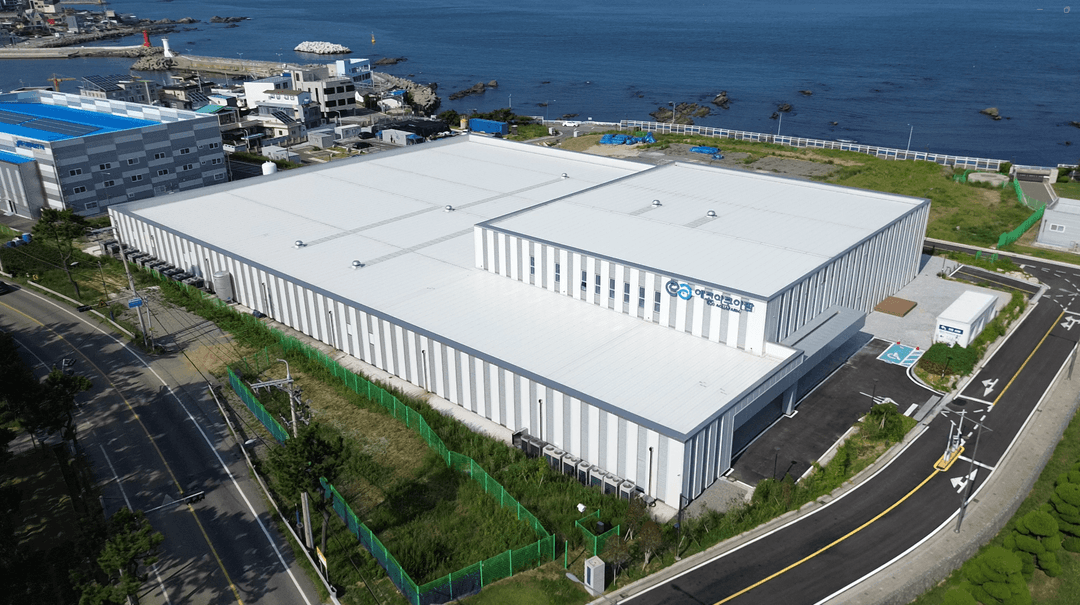
Busan, South Korea - Busan has officially opened South Korea's first "Smart Aquaculture Cluster," signaling a significant step in modernizing the country’s fish farming industry. The facility, located at the Ocean Science Research Institute of the National Pukyong University in Gijang-gun, was inaugurated on December 20, 2024, in a ceremony attended by over 100 officials and industry leaders. The event underscored the city’s growing role in advancing sustainable and technologically integrated aquaculture practices.
The initiative is part of a national strategy to transform aquaculture into a more efficient, eco-friendly, and technologically advanced sector. Utilizing cutting-edge technologies such as the Internet of Things (IoT), automated systems, and Recirculating Aquaculture Systems (RAS), the cluster aims to enhance productivity while reducing the environmental footprint of fish farming.
The Smart Aquaculture Cluster represents a departure from traditional labor-intensive practices, focusing on innovation and sustainability. Equipped with IoT-based sensors and automated control systems, the facility continuously monitors critical environmental parameters like water temperature, oxygen levels, and pH balance. These real-time insights help maintain optimal conditions for fish growth, minimizing waste and ensuring efficient resource use.
One of the cluster's primary objectives is the farming of Atlantic salmon, with plans to produce 500 tons annually by 2026. Operated by EcoAquaFarm Co., the facility incorporates advanced water treatment technologies developed in partnership with GS E&C. By reducing dependence on imported fish, the project aligns with broader national goals of enhancing food security and promoting local aquaculture industries.
The cluster is the first of its kind to be completed under South Korea’s nationwide initiative to establish smart aquaculture facilities in five regions, including Jeju, Gangwon, and Jeollanam-do. The project, launched in 2019, was funded through a combination of government, municipal, and private investments, totaling approximately 40 billion KRW.
Busan’s expertise in marine science and its access to advanced research institutions have positioned it as an ideal location for this pioneering facility. The Smart Aquaculture Cluster is expected to serve as a national benchmark, showcasing the potential of technology-driven innovation in aquaculture.
The Smart Aquaculture Cluster is expected to deliver significant economic and environmental benefits. Economically, it promises to create jobs, support local industries, and reduce costs associated with fish imports. Environmentally, the facility’s use of RAS and other sustainable technologies ensures minimal impact on marine ecosystems, addressing longstanding concerns about the ecological effects of traditional aquaculture practices.
The facility’s sustainability measures include advanced waste management systems that recycle water and reduce the release of pollutants. These efforts align with the global push for sustainable aquaculture, a growing priority as fish farming continues to expand to meet rising global seafood demand.
The Smart Aquaculture Cluster serves as a model for the future of fish farming both domestically and internationally. The integration of digital technologies and sustainable practices positions Busan as a leader in what is often termed "Aquaculture 4.0." This concept encapsulates the use of advanced technologies, including artificial intelligence and IoT, to optimize efficiency and sustainability in fish farming.
Industry experts and stakeholders have expressed optimism about the cluster’s potential. “This facility demonstrates how technology can revolutionize aquaculture,” noted a representative from GS Construction. “We hope it inspires similar initiatives that balance productivity with environmental stewardship.”
The cluster also paves the way for further research and collaboration. With support from institutions like National Pukyong University, the facility will likely become a hub for innovation, fostering partnerships across academia, industry, and government to develop new solutions for sustainable fish farming.
Continue this reporting
Reporting on the same issue
Related coverage selected from the article's desk, topics and newsroom relationships.
 NewsOct 16, 2026
What Is Still Worth Going to See?
Busan’s biennale faces questions of artistic judgment and institutional care....
 NewsOct 14, 2026
What Became of Busan’s University Streets?
From 2015 to 2023, registered businesses grew near Pusan National University...
 NewsOct 12, 2026
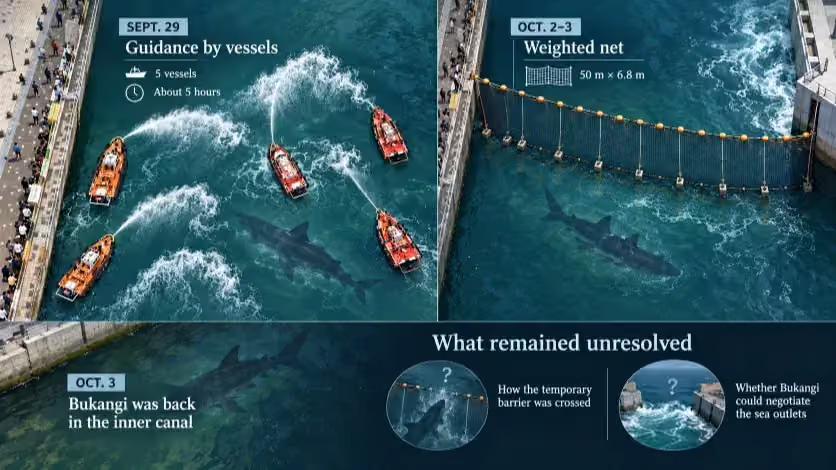
Bukangi, the Shark That Stayed in Busan’s North Port
A rescue net guided Bukangi toward the sea, but the dusky shark returned to B...
More from the author
More from this byline
Stay with the same line of reporting through more work from this byline.
 NewsOct 9, 2026
Why “Busan Is Good” Falls Short as a City Brand
 NewsSep 18, 2026
The Other AI Race Is for the Freedom to Change Course
Reader Signal
Community readWhat did this report leave you with?
Choose the signal that best reflects your reading. Select it again to remove it.
One response per article
No response selected
A moderated conversation about the reporting.
One-level replies and newsroom moderation keep the conversation anchored to this article.
Discussion Status
Open
Please sign in to join the discussion.
Newsletter
Weekly reporting and context from Busan and Korea.