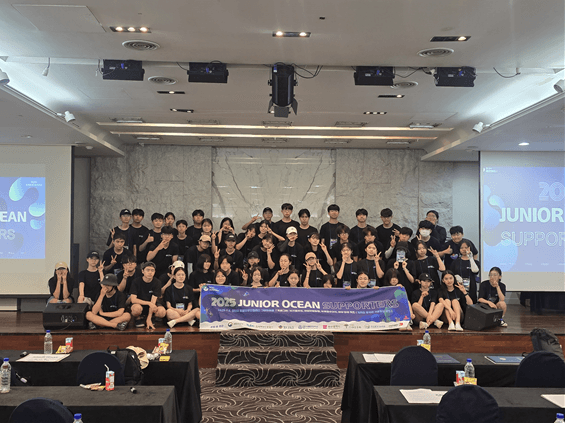
Busan Strengthens Climate Education with National Marine Youth Event
As climate impacts accelerate, Busan invests in next-gen marine stewardship with a national youth forum on ocean sustainability.
Busan news, in-depth reporting, and editorial insights covering the city’s politics, economy, development, institutions, and social change.
About this section
Coverage of Busan's politics, economy, civic institutions, and urban change, with local developments placed in their wider context.
As climate impacts accelerate, Busan invests in next-gen marine stewardship with a national youth forum on ocean sustainability.
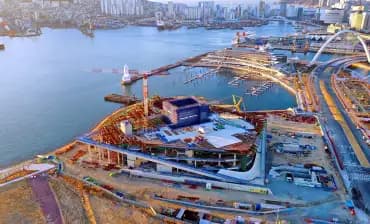
The Busan Opera House was meant to anchor a waterfront cultural revival. Now, it stands half-built and over-budget, exposing the gap between vision and governance.
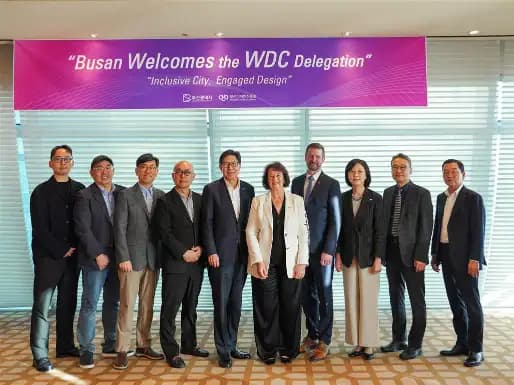
Busan has been selected as the World Design Capital for 2028, joining a shortlist of global cities recognized for integrating design into urban policy.
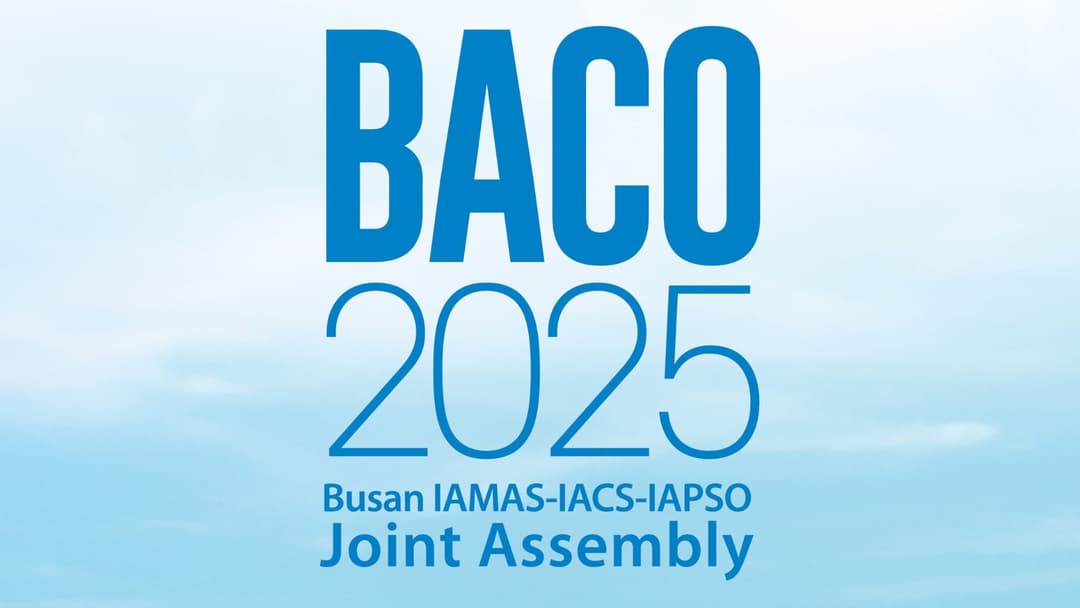
More than 1,500 researchers from 45 countries are meeting this week in Busan for BACO-25, a landmark assembly of Earth system scientists focused on the intensifying climate crisis.

While developers tout “premium units” and local media cheer on the crowds, more than 5,000 unsold homes sit vacant—and thousands of residents are quietly leaving.

On September 21, more than 3,000 riders will take part in the first Seven Bridges Tour: Riding in Busan—a non-competitive event.
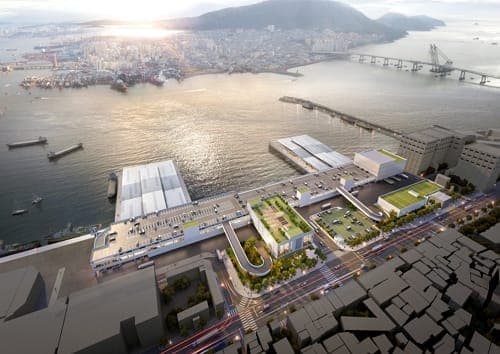
The City of Busan has selected a consortium led by HJ Heavy Industries as the preferred bidder for the modernization of the Busan Cooperative Fish Market.

Busan has been selected to host the 2028 World Championship of Magic, following a decisive vote by the Fédération Internationale des Sociétés Magiques (FISM). The event will bring over 3,000 magicians and 200,000 visitors to the city in July 2028.
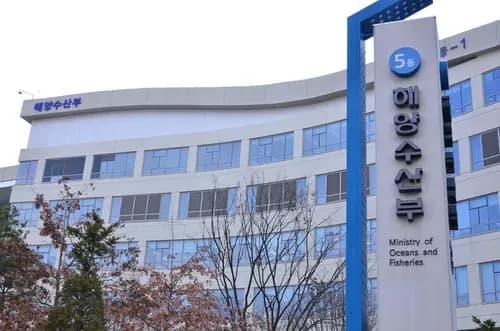
The Ministry of Oceans and Fisheries has confirmed its full relocation to Dong-gu, Busan, marking the return of central government presence to the city’s original administrative district.
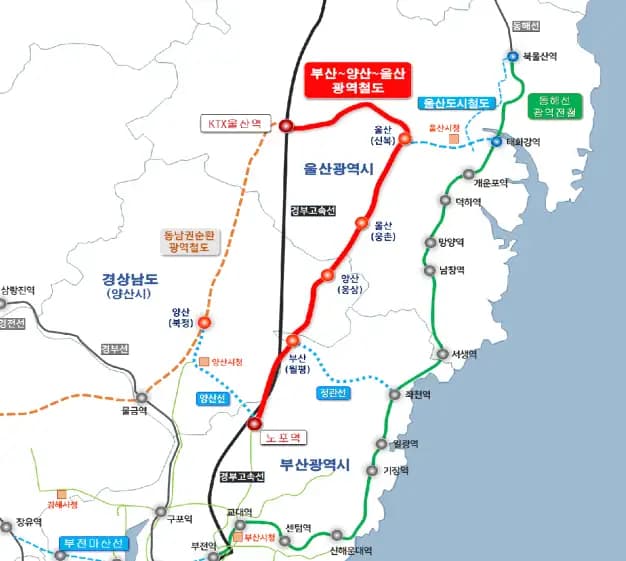
South Korea has cleared a major hurdle for the Busan–Yangsan–Ulsan metropolitan railway, approving a 47.6 km light rail corridor that will link the country’s southeastern cities in under an hour.

Despite two decades of stalled development, Busan is launching another industrial complex in Gijang-gun. Officials promise integrated housing and livability — but the project’s structure and geography suggest a repeat of the same failed playbook.
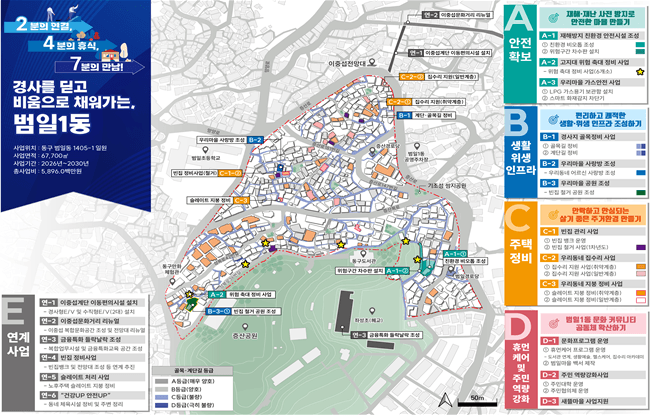
In a second consecutive year of full selection, Busan has secured national funding to restore aging, low-income neighborhoods not by rebuilding them from scratch, but by reinforcing what remains.
Search within Busan or the wider site.