
Busan’s Old Core Faces New Future: Merger Talks Rekindled
Four historic districts at the heart of Busan are losing people, schools, and purpose. Now, the city faces a difficult question: can they find a future together?
Busan news, in-depth reporting, and editorial insights covering the city’s politics, economy, development, institutions, and social change.
About this section
Coverage of Busan's politics, economy, civic institutions, and urban change, with local developments placed in their wider context.
Four historic districts at the heart of Busan are losing people, schools, and purpose. Now, the city faces a difficult question: can they find a future together?
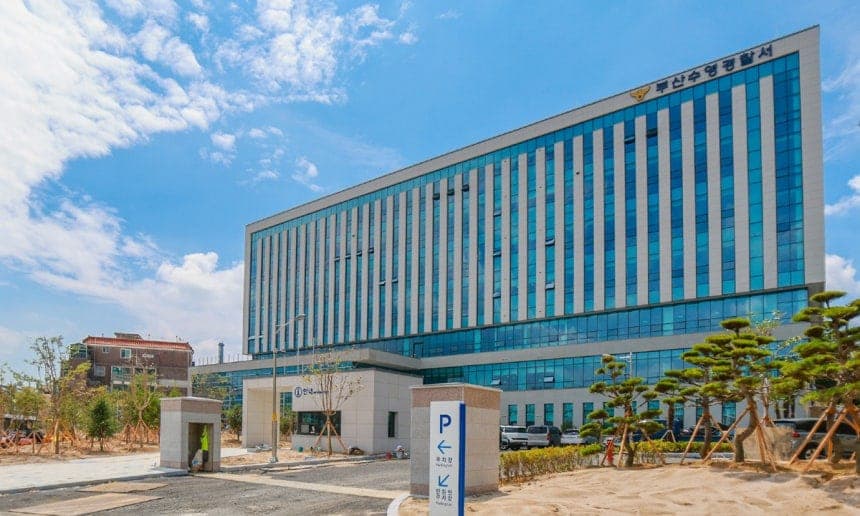
On August 5, 2025, Busan formally launched the Suyeong Police Station, completing a decades-long process to install dedicated law enforcement facilities in each of the city’s sixteen administrative districts.

Young people aren’t just leaving Busan—they’re not coming back. Even international students who study in the city are drawn to the capital for career prospects and support systems.

Busan has announced the integration of AI into administrative operations, but no municipal framework exists to manage risks, ensure oversight, or involve citizens in the process.

Busan’s unsold completed housing stock rose to 2,663 units in June 2025, marking the city’s highest level in nearly 15 years.

Busan City has partnered with Shinhan Bank’s Ddanggyo delivery app to offer small businesses reduced 2% fees and 7% cashback incentives through the local currency Dongbaekjeon.
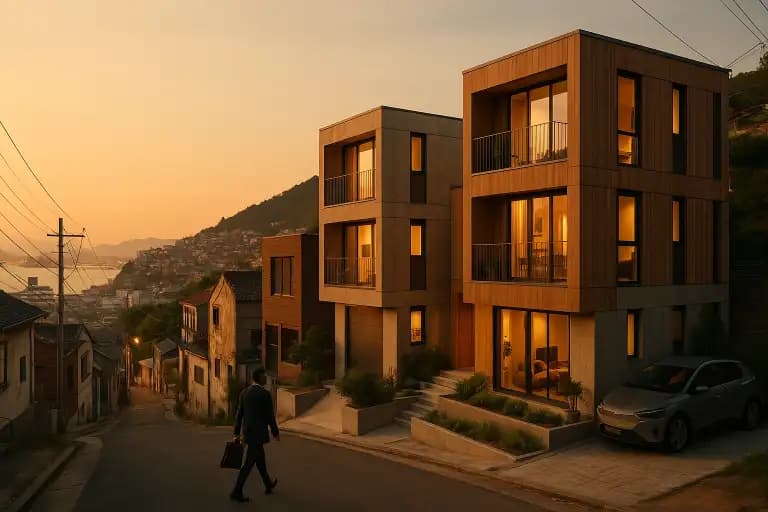
The MOF move to Busan must be matched by a housing policy that reclaims what’s already built—starting with the empty homes on the hillside.

Kyungsung University and BUFS promise immersive learning and multilingual AI platforms, yet offer little evidence of actual educational reform.

The city of Busan will expand renewable power, reduce greenhouse gas emissions, and limit energy demand growth under a newly adopted regional energy plan. Officials expect a 13.5% self-sufficiency rate and a 15% cut in energy use by the end of the decade.
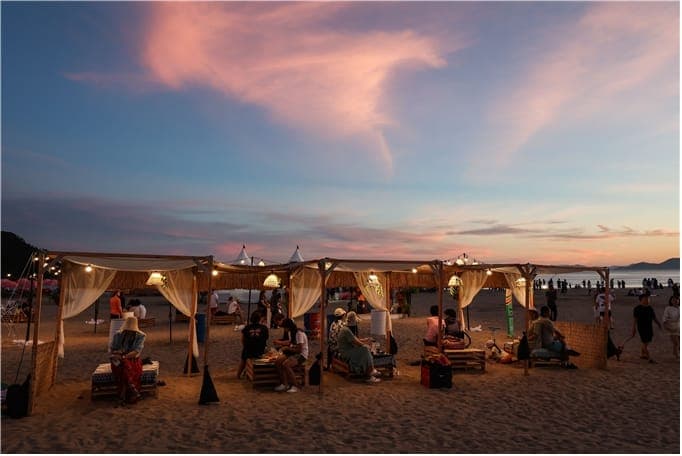
The 29th Busan Sea Festival will take place August 1–3 at Dadaepo Beach, featuring fireworks, music programs, night markets, and enhanced crowd control measures to manage growing attendance.

Despite technical and financial setbacks in a previous underground line, Busan’s Hadan–Noksan subway repeats the same design assumptions.
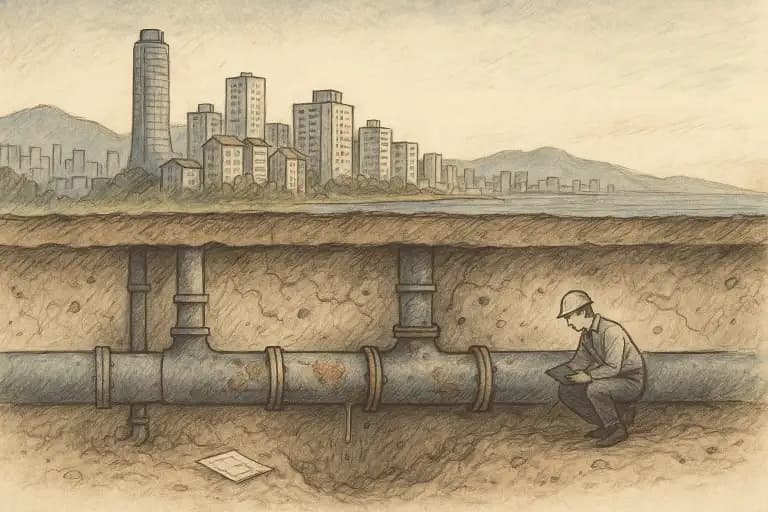
Busan maintains one of Korea’s largest water networks, but its aging underground pipes are exposing gaps in maintenance, monitoring, and funding.
Search within Busan or the wider site.