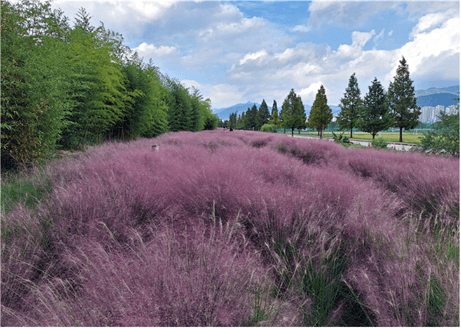
Busan’s Nakdonggang River Parks Capture the Colors of Autumn
Autumn paints Busan’s Nakdonggang River parks in gold, white and pink as fields of cosmos, buckwheat and pink muhly bloom under a carefully managed ecological plan.
Busan news, in-depth reporting, and editorial insights covering the city’s politics, economy, development, institutions, and social change.
About this section
Coverage of Busan's politics, economy, civic institutions, and urban change, with local developments placed in their wider context.
Autumn paints Busan’s Nakdonggang River parks in gold, white and pink as fields of cosmos, buckwheat and pink muhly bloom under a carefully managed ecological plan.
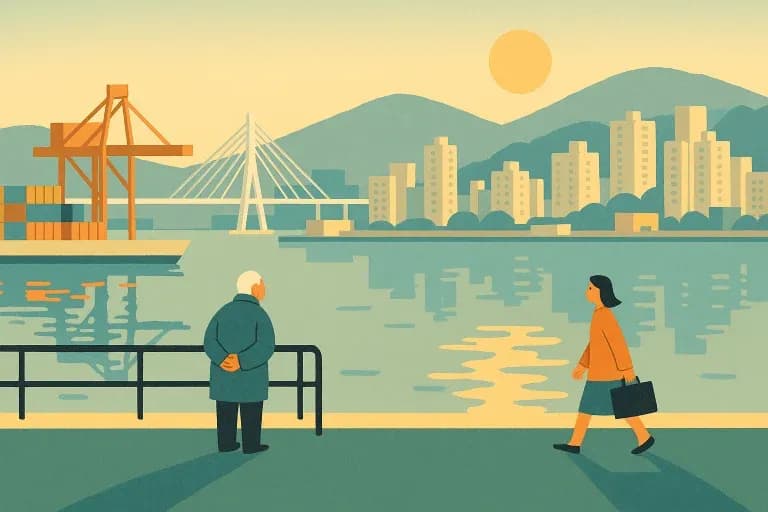
Busan’s skyline gleams, but its economy tells a quieter story — one of slow consumption, aging demographics, and unbalanced growth.
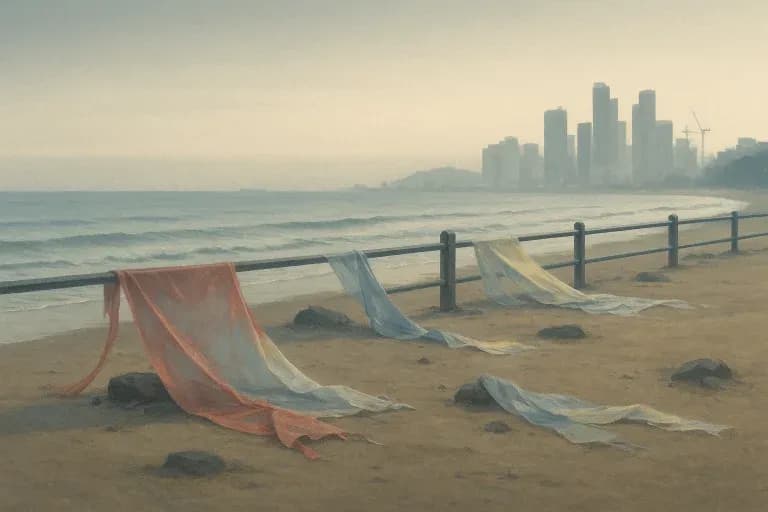
Across South Korea’s southern coast, thousands of political banners drape the city of Busan. What began as expression has turned into pollution — and a test of how democracy occupies public space.
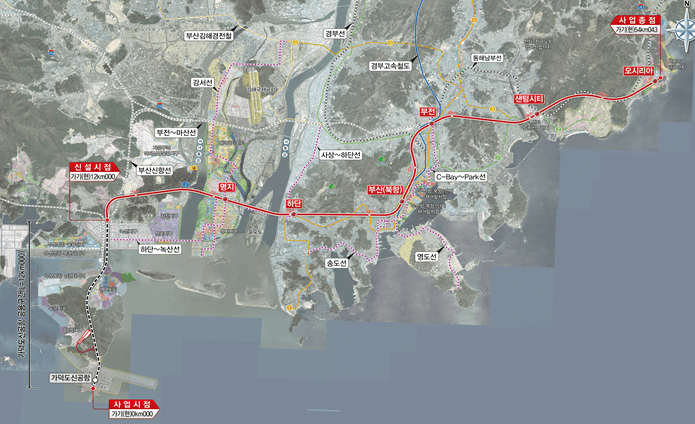
Busan’s ₩4.8 trillion BuTX project promises a transport revolution, but untested hydrogen rail, fragile finances, and geology raise doubts.

Tighter jeonse loans and elevated rates expose Busan’s housing fragility. Monthly rent now dominates, revealing structural inequality versus Seoul.
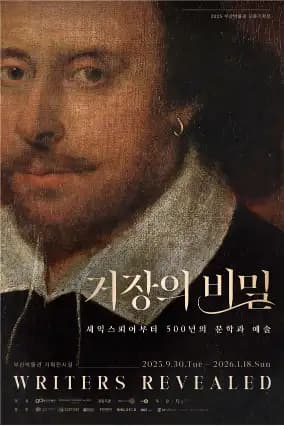
The Busan Museum launches Secrets of the Masters, presenting 137 works from Shakespeare, Dickens, Austen, Woolf, and Rowling. The exhibition runs from September 30, 2025, to January 18, 2026.

The Ministry of Education’s Glocal University program promised innovation. In Busan, it produced three designated projects centered on cultural branding and enrollment drives, not maritime engineers or energy specialists. The question now is whether these models can survive once subsidies run out.
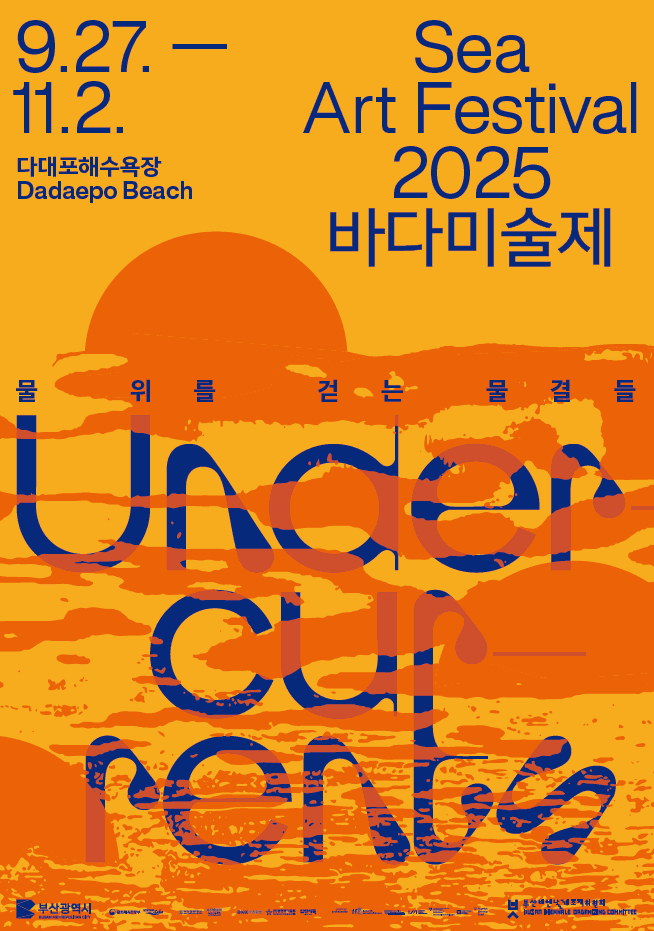
The Sea Art Festival reopens at Dadaepo Beach with 38 artists from 17 countries, exploring ecology and memory along the Nakdonggang River estuary.

Planned for 2029, the Korea Exchange-backed school promises global finance training. Critics say it will reproduce privilege and feed elite universities instead.
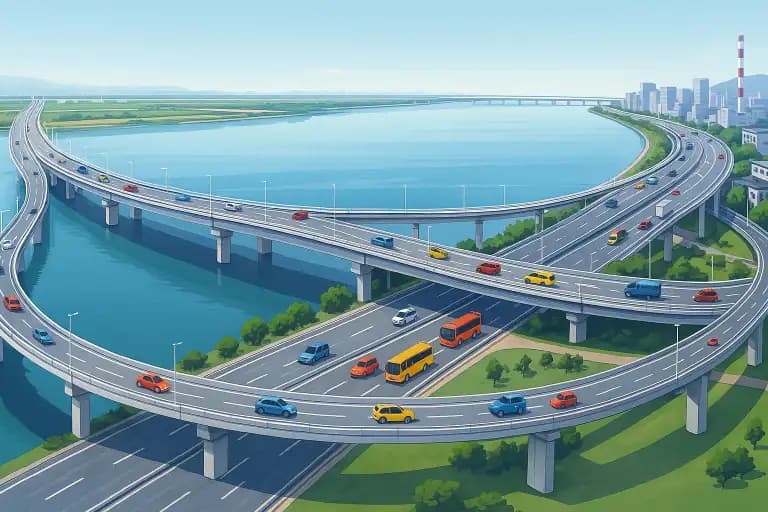
Seven toll roads shape daily life in Busan. New policies remove tolls during peak hours, offering relief to drivers while shifting costs to taxpayers and highlighting the city’s dependence on privatized infrastructure.
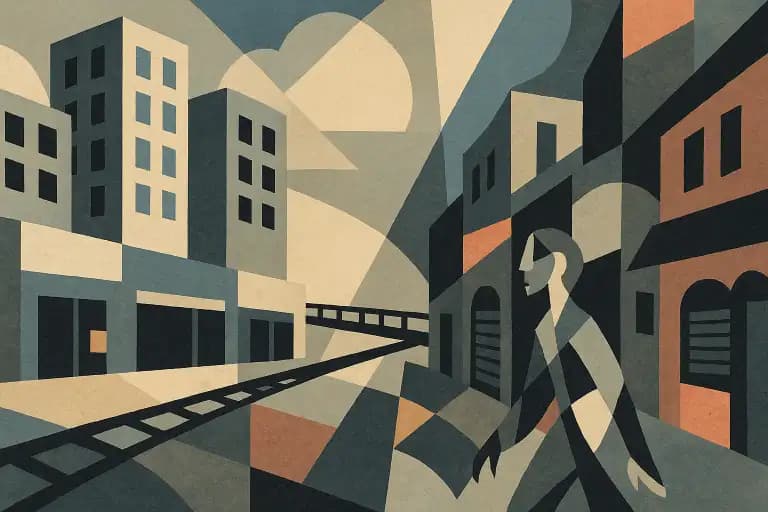
About one in four shops in Busan’s Myeongji International New Town stands empty, exposing flaws in urban planning beyond delayed transit.
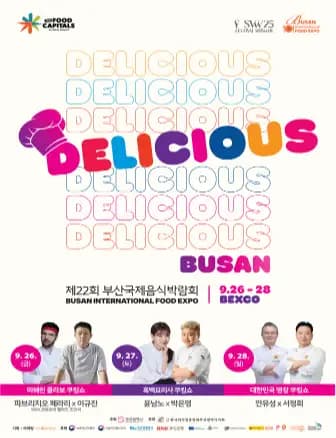
With 200 booths and nearly 500 chefs, the expo grows in scale but lowers its audience targets. The reliance on celebrity chefs and imported formats leaves Busan’s own seafood traditions and street food in the background.
Search within Busan or the wider site.