
South Korea, Palestine and the Limits of Recognition
South Korea now speaks more plainly about Palestinian suffering than it once did. It still does not recognize Palestine. That gap — between language and decision — is where the real story begins.
Reporting and analysis on politics, elections, government, power, and public policy in South Korea and the wider world.
About this section
Reporting on public institutions, power, elections, and policy, connecting political decisions to their consequences in civic life.
South Korea now speaks more plainly about Palestinian suffering than it once did. It still does not recognize Palestine. That gap — between language and decision — is where the real story begins.
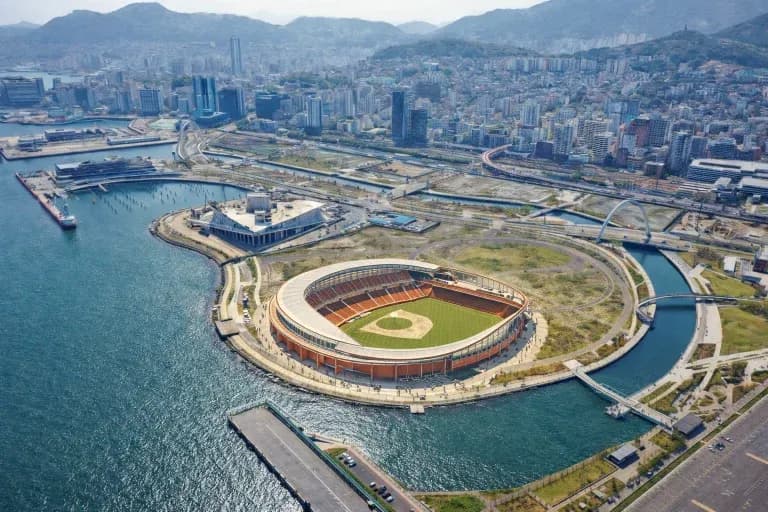
North Port is being sold through stadium politics in Busan’s local election, but the site carries a heavier question. As the waterfront meets Busan Station and the edge of the old downtown, the real issue is whether Busan can build a civic center rather than another disconnected project.
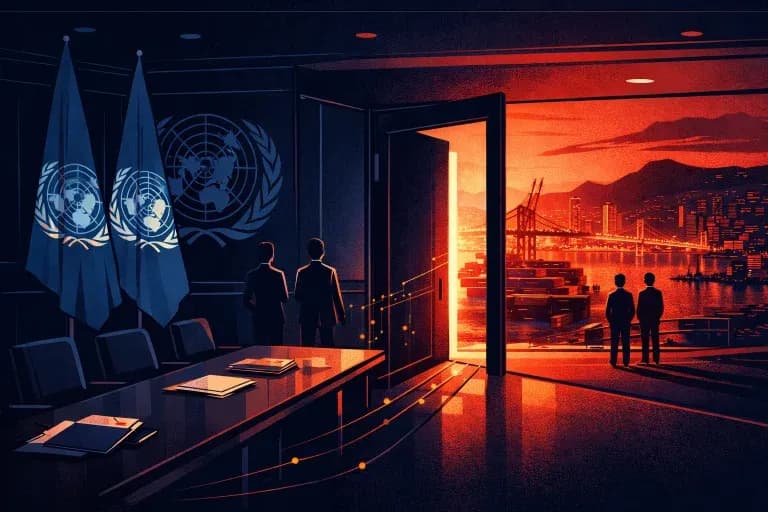
A March LOI with six UN agencies has given South Korea its strongest opening yet to host UN-linked AI functions. The question now is whether Seoul can match diplomatic ambition with law, funding, city strategy and institutional trust.
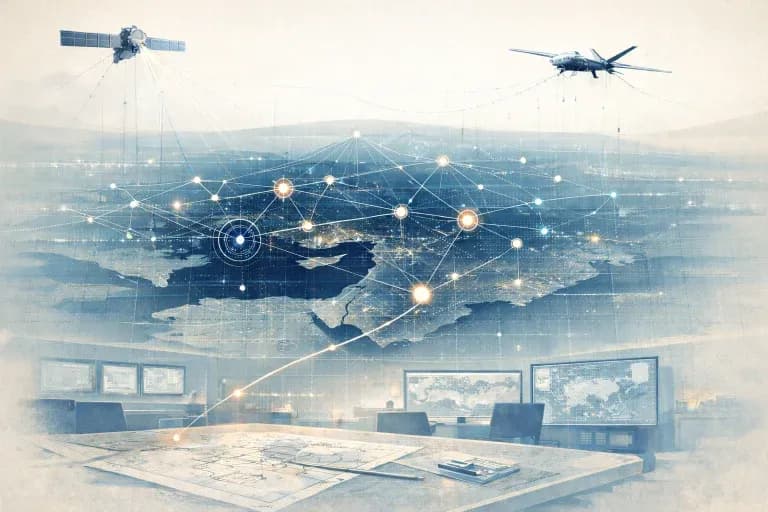
AI systems are entering the core of military planning. U.S. operations against Iranian-linked targets reveal how intelligence analysis, targeting decisions, and operational data now flow through platforms built jointly by the Pentagon and private technology companies.
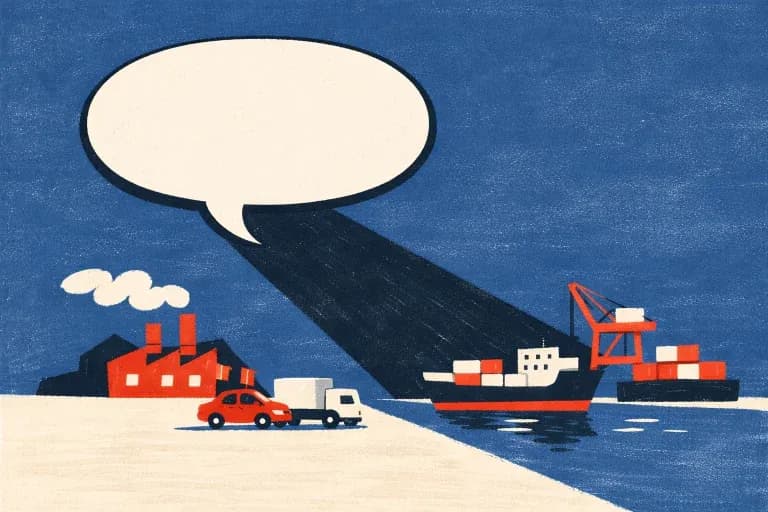
President Donald Trump warned that tariffs on South Korean exports could be raised without taking formal policy action. The warning shifted attention to how compliance under a long-term investment agreement is judged, with tariff pressure applied through interpretation rather than enforcement.

Postwar stability functioned as an insurance system financed by the United States and anchored by its industrial base.

The United States built a security state to control immigration and identity. Nordic democracies built welfare states to distribute risk. Greenland’s decision between them signals the rise of model competition in the 21st century.

Between permission and power lies the new frontier of alliance politics. South Korea’s pursuit of nuclear propulsion tests not only technology, but the architecture of trust built over seventy years.

As tariffs replace treaties and alliances harden into leverage, APEC 2025 reveals a Pacific world sustained not by faith in free trade but by the management of division.
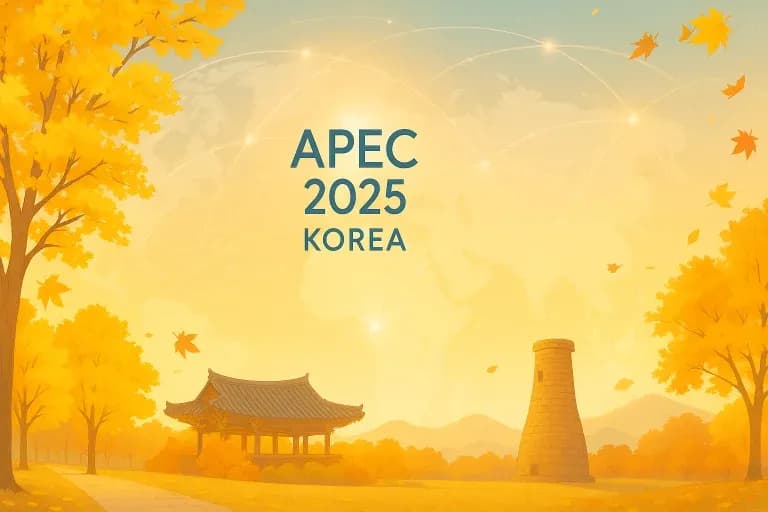
As the world fragments into rival blocs, South Korea’s APEC chairmanship becomes a test of whether dialogue alone can still hold the system together.

Once the engine of Korea’s industrial ascent, Busan now risks becoming its most modern relic. The city’s revival depends not on new projects or incentives, but on building a system that aligns talent, energy, and data under coherent governance.
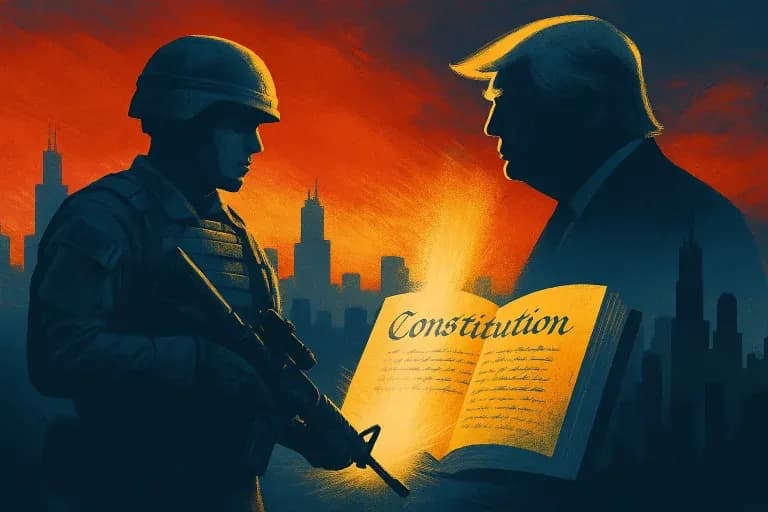
The Trump administration’s use of the Insurrection Act and National Guard reveals a deeper constitutional shift—how law itself becomes a tool of control.
Search within Politics or the wider site.