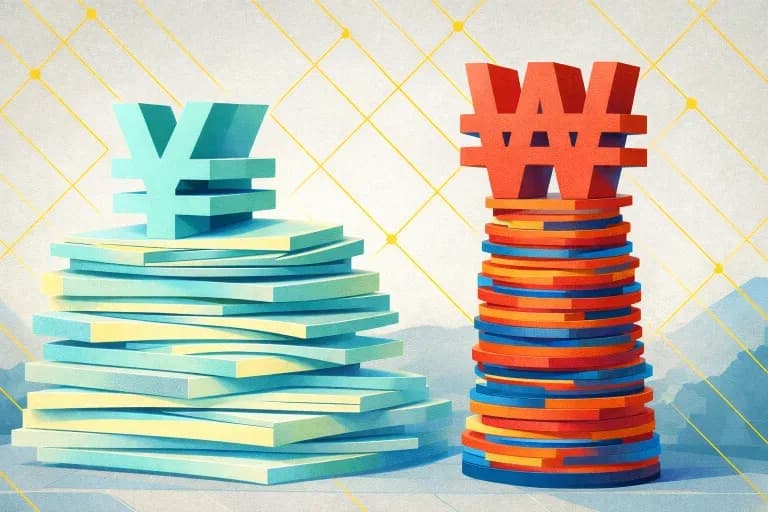
Why Japan Absorbs Economic Pressure While South Korea Breaks Faster
Japan and South Korea face similar demographic decline and tighter global financial conditions, yet economic adjustment has unfolded at markedly different speeds.
Coverage of the economy, markets, industry, labor, trade, and financial policy across Korea and the global economy.
About this section
Reporting on markets, labor, inflation, investment, and policy shifts shaping Busan and the wider Korean economy.
Japan and South Korea face similar demographic decline and tighter global financial conditions, yet economic adjustment has unfolded at markedly different speeds.

As the global order of technology fractures, Korea’s integration of policy, industry, and computation defines a new paradigm — intelligence not as abstraction, but as architecture.

South Korea’s real estate boom built a nation on belief, turning apartments into currency and housing into ideology. What began as housing policy evolved into an economy of leverage and faith, where stability preserves imbalance and prosperity hides erosion.

South Korea’s housing market — once the cornerstone of economic stability — has become the clearest mirror of inequality. From the unraveling jeonse system to Seoul’s relentless apartment boom, rising prices reflect not growth but distortion.
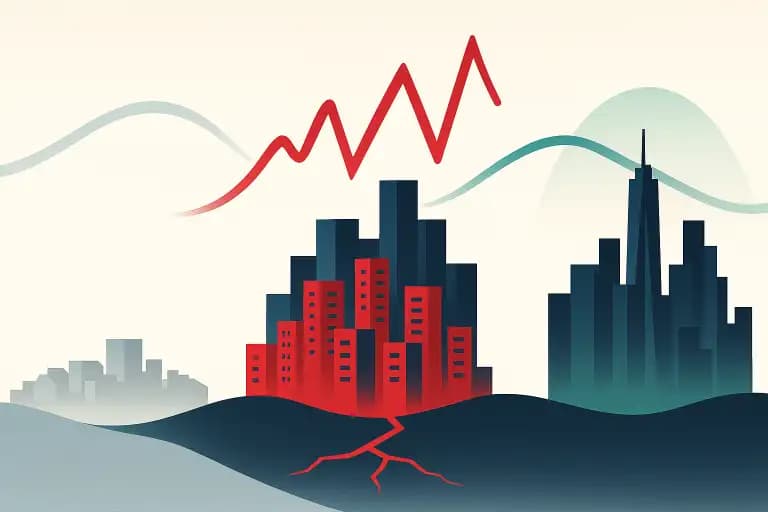
Korea’s households carry one of the heaviest debt loads in the OECD, with most mortgages tied to floating rates. That fragility makes the economy hypersensitive to policy shifts and sustains property speculation even as consumption weakens and provincial vacancies mount.
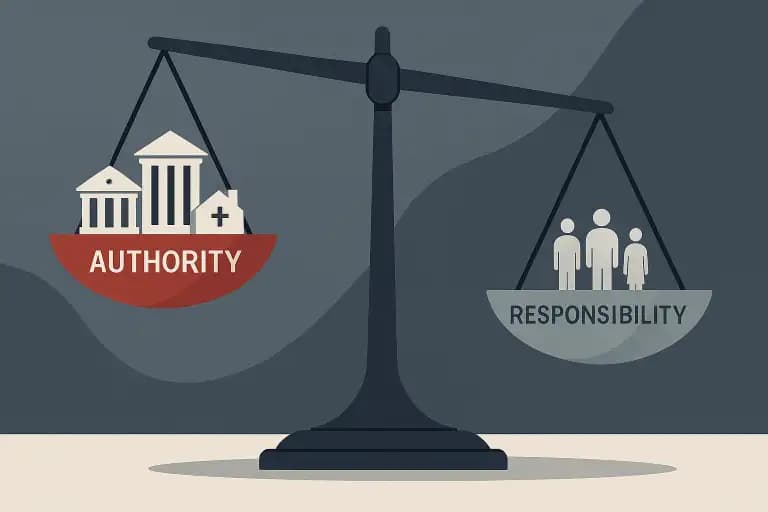
The Financial Supervisory Service has sweeping powers over banks, insurers, and securities firms—but little structural responsibility when scandals erupt. The government’s reform plan seeks to fix this imbalance, sparking fierce resistance from within.
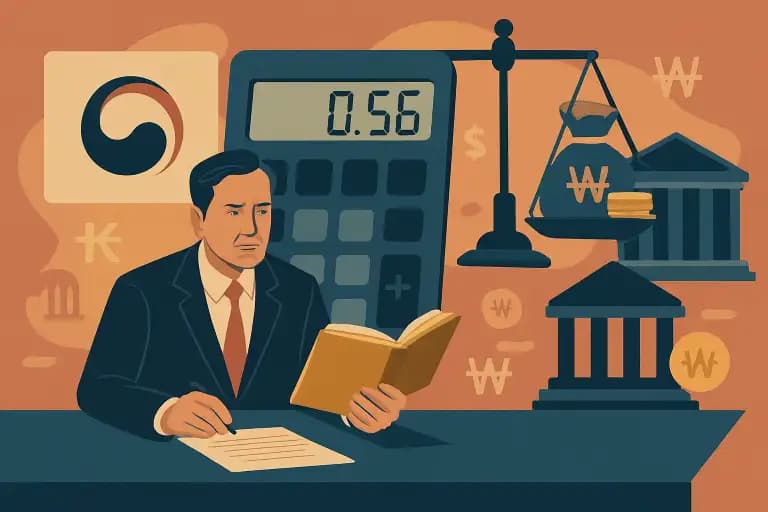
The Ministry of Economy and Finance dominates South Korea’s budgets, from constitutional clauses limiting parliament to fiscal statistics that shape public debate.

To counter speculative housing purchases, Korea enforces permits and live-in requirements for overseas buyers in key metropolitan areas.

As South Korea’s population contracts, so does its consumer economy. Retail turnover has stagnated, discretionary sectors are shrinking, and the policy toolkit is proving ineffective.

From click-driven panic to political blame games, Korean real estate journalism plays an active role in fueling the very bubbles it laments.

Foreign capital inflows and liquidity hopes are pushing Korean stocks higher, but structural economic weaknesses and a growing U.S.-Korea interest rate gap cast doubt on market sustainability.
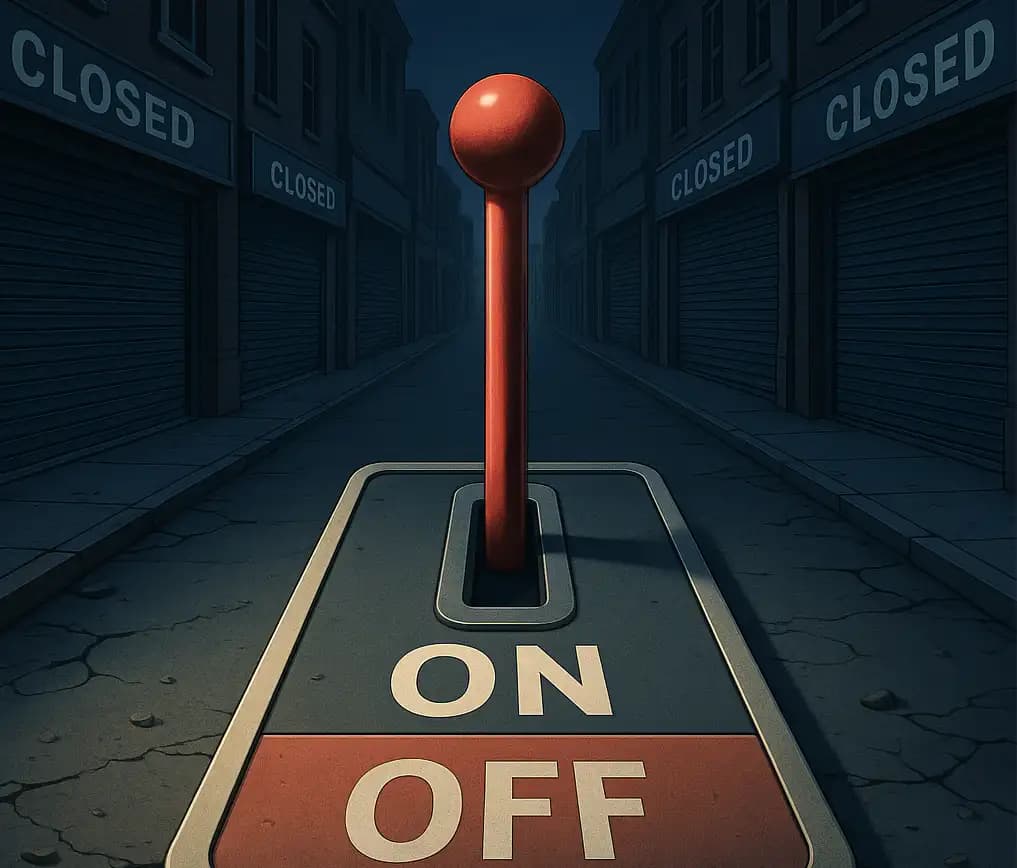
Korea’s self-employed are disappearing — not from laziness or lack of innovation, but from operating in a system designed to make survival improbable. Without bold structural reform, small businesses will remain the shock absorbers of economic failure, not beneficiaries of national growth.
Search within Economy or the wider site.