Post-Consumption Society: The End of Growth as We Knew It
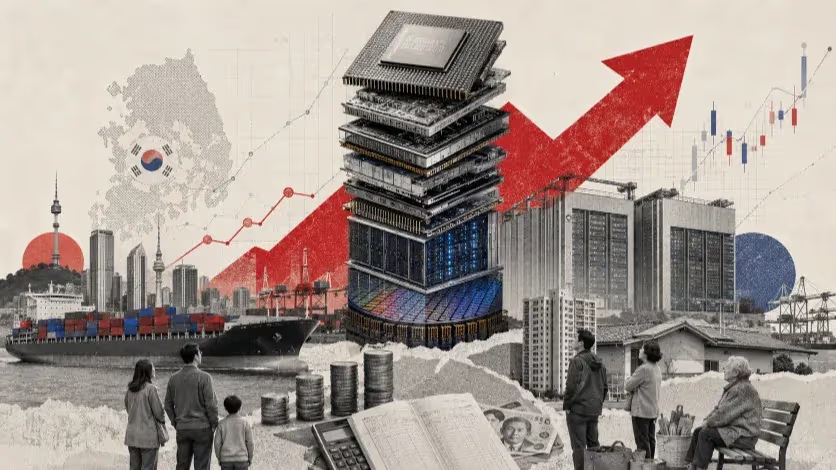
As South Korea’s population contracts, so does its consumer economy. Retail turnover has stagnated, discretionary sectors are shrinking, and the policy toolkit is proving ineffective.
Stay ahead with the latest economic news, financial trends, and market updates. Get expert insights on Korea’s economy, business, and global markets.
Reporting and analysis from Breeze in Busan
Desk Focus
This desk follows markets, labor, inflation, investment, and policy shifts shaping Busan and the wider Korean economy.
As South Korea’s population contracts, so does its consumer economy. Retail turnover has stagnated, discretionary sectors are shrinking, and the policy toolkit is proving ineffective.
Search within Economy or the wider site.
From click-driven panic to political blame games, Korean real estate journalism plays an active role in fueling the very bubbles it laments.

Foreign capital inflows and liquidity hopes are pushing Korean stocks higher, but structural economic weaknesses and a growing U.S.-Korea interest rate gap cast doubt on market sustainability.

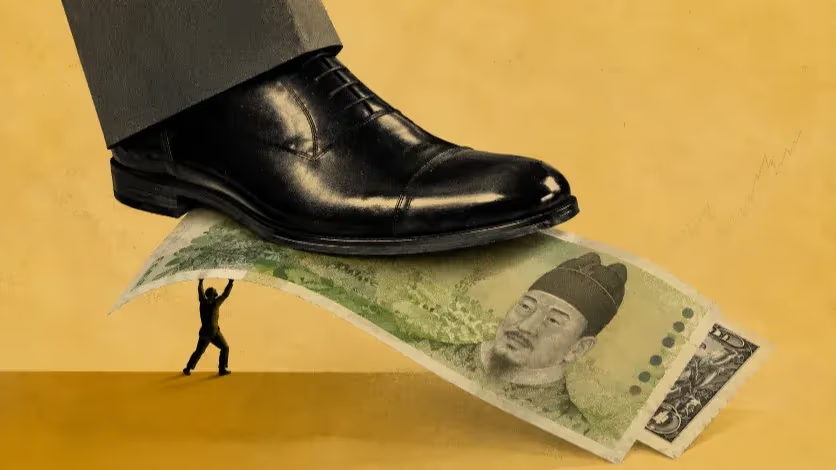
Korea’s self-employed are disappearing — not from laziness or lack of innovation, but from operating in a system designed to make survival improbable. Without bold structural reform, small businesses will remain the shock absorbers of economic failure, not beneficiaries of national growth.

The third-phase Stress Debt Service Ratio (DSR) policy, effective July 1, 2025, seeks to curb South Korea's escalating household debt by tightening lending conditions.

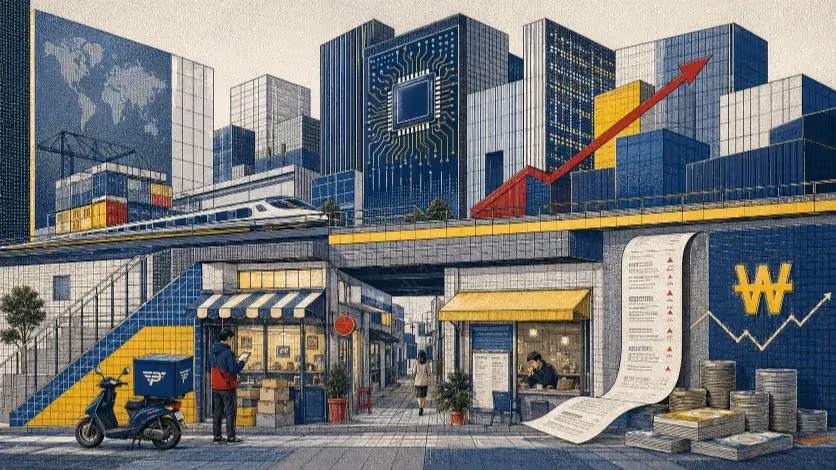
Public spending is no longer enough. South Korea’s economy needs fiscal architecture built for velocity, retention, and systemic flow.
CBDCs promise greater efficiency and transparency—but also raise a deeper question: what happens when your money is no longer just yours, but encoded with rules from above? The debate is no longer just about technology, but trust—and the future of citizenship.
While inflation remains moderate by global standards, its psychological impact is profound. Koreans increasingly feel disconnected from the value of money. A redenomination of the won could restore intuitive clarity, re-anchor economic perception, and reaffirm the credibility of state institutions.
For the first time, South Korea’s economically inactive population among young adults has surpassed 500,000, with 30-somethings exiting the workforce at record rates. Experts warn of severe long-term consequences if urgent labor reforms are not implemented.
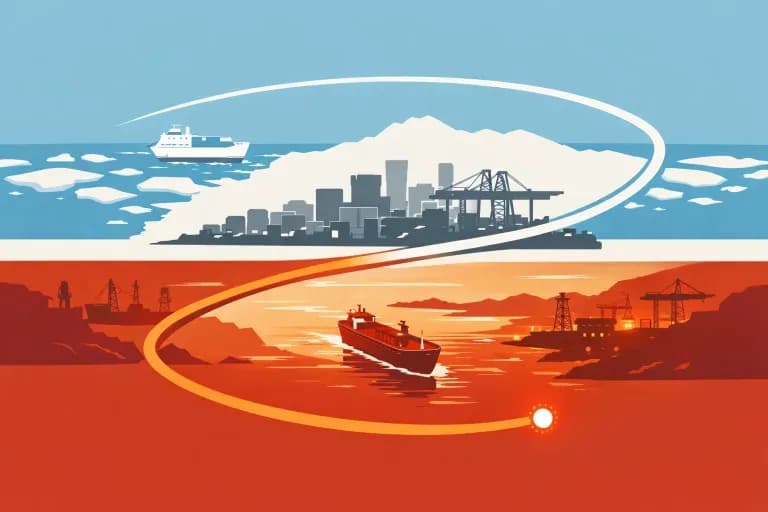
With U.S.-China trade tensions rising, Korea seeks supply chain independence. Mongolia’s rare earth minerals, lithium, and renewable energy could be the key to Korea’s AI, semiconductor, and green energy industries. Can Korea bypass China and invest in Mongolia’s future?
South Korea’s economy is slowing, with growth projections downgraded to 1.5% and interest rates cut to 2.75%. As Trump’s trade policies fuel uncertainty, concerns grow over capital outflows, inflation, and a weaker won. Can fiscal stimulus avert a deeper downturn?
The U.S. faces a financial crisis as debt hits $1.17 trillion and wages stagnate. With 37 million Americans in poverty, rising costs are deepening economic insecurity. Will policy changes like a higher minimum wage and credit card rate caps offer relief, or will financial instability worsen?