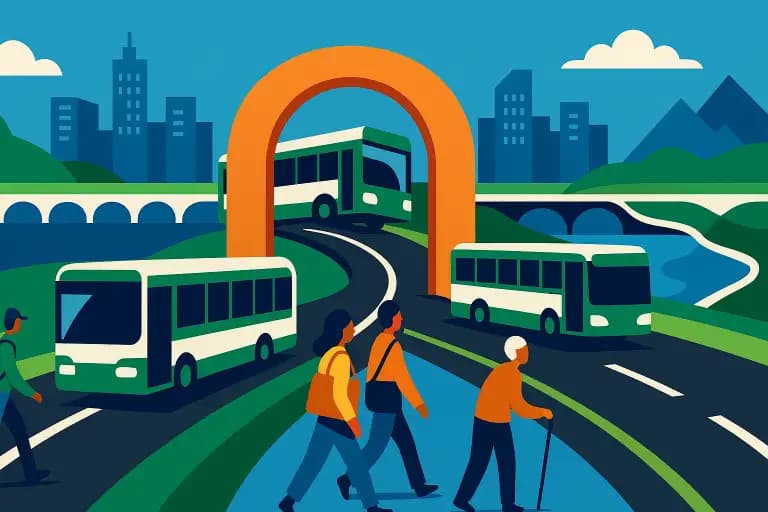
Free Transfers Across Busan–Gimhae–Yangsan Transit Networks Start Sept. 19
Starting Sept. 19, intercity transfer fees across Busan, Gimhae, and Yangsan will be abolished, saving commuters over ₩5.5B annually.
Busan news, in-depth reporting, and editorial insights covering the city’s politics, economy, development, institutions, and social change.
About this section
Coverage of Busan's politics, economy, civic institutions, and urban change, with local developments placed in their wider context.
Starting Sept. 19, intercity transfer fees across Busan, Gimhae, and Yangsan will be abolished, saving commuters over ₩5.5B annually.
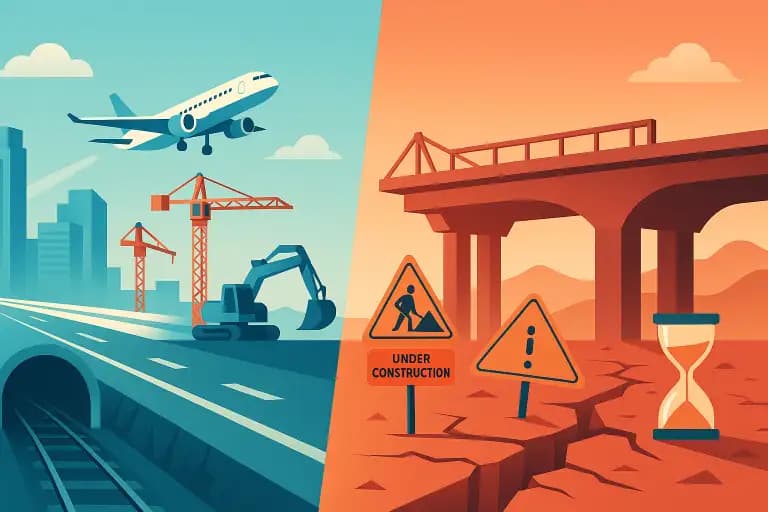
Despite significant allocations for airports, metro lines, bridges, and innovation hubs, Busan’s 2026 megaprojects face delays, failed tenders, and engineering risks.

Busan’s campaign to host the Ministry of Oceans and Fisheries has become a test of political will, economic strategy, and Korea’s decades-long push for decentralization.

One month’s birth data in Busan hides the bigger picture: nationwide marriage waves, aging cohorts, and timing effects drove the increase, not local programs.

Busan has launched major training and startup programs with Microsoft and Google to fuel its digital economy. Yet without outcome tracking for employment, wages, or startup survival, the city risks turning ambitious initiatives into little more than publicity events.

Busan’s Energy Super Week brings together global ministers, the IEA, and the World Bank to discuss how rising digital power demand, renewable integration, and hydrogen innovation will shape South Korea’s energy transition.
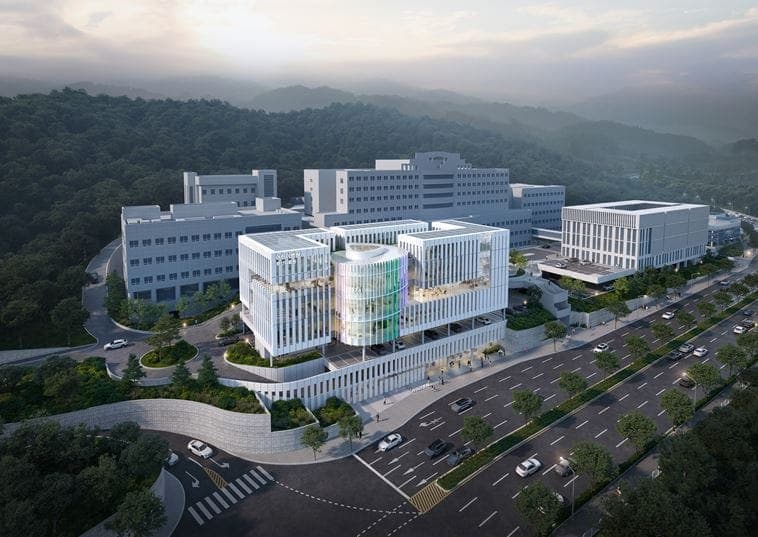
Busan plans to open a 50-bed children’s hospital by 2028 to address mounting pediatric care gaps. But questions over staffing, funding, and emergency system integration could determine whether the project meets its ambitious promise.

A closer look at Busan’s SOC projects reveals a cycle of fast construction, underuse, and financial strain—pointing to systemic planning failures.
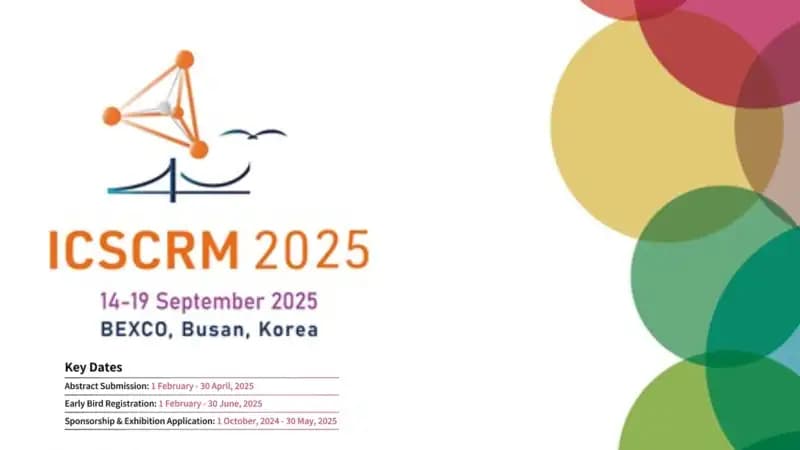
South Korea welcomes the International Conference on Silicon Carbide and Related Materials this September, uniting scientists, manufacturers, and policymakers as silicon carbide moves into large-scale production.

Busan will host the third International Streaming Festival from August 22–25, uniting global OTT platforms, creators and investors to debate the future of digital media.

The rise of single-person households, coupled with stagnant wages and uneven demand, is reshaping Korea’s housing market. Seoul absorbs youth while Busan ages in place, exposing structural risks and policy blind spots.

Busan is rolling out new subsidies to ease financial burdens for shop owners facing closure and young workers struggling with moving costs. Critics say the small scale of the programs raises doubts about their long-term impact.
Search within Busan or the wider site.