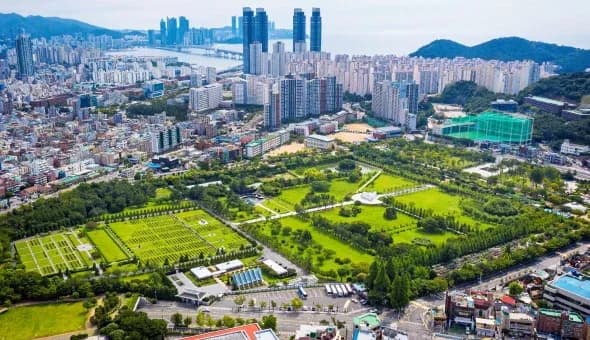
Development Pressures Erode the Sanctity of the UN Memorial Park
Busan’s plan to lift height limits near the UN Cemetery aims at “rational regeneration” but exposes a deeper paradox—growth without renewal.
Discover the latest news from Busan, covering local events, economy, politics, and culture. Stay informed with Breeze in Busan.
Busan’s plan to lift height limits near the UN Cemetery aims at “rational regeneration” but exposes a deeper paradox—growth without renewal.
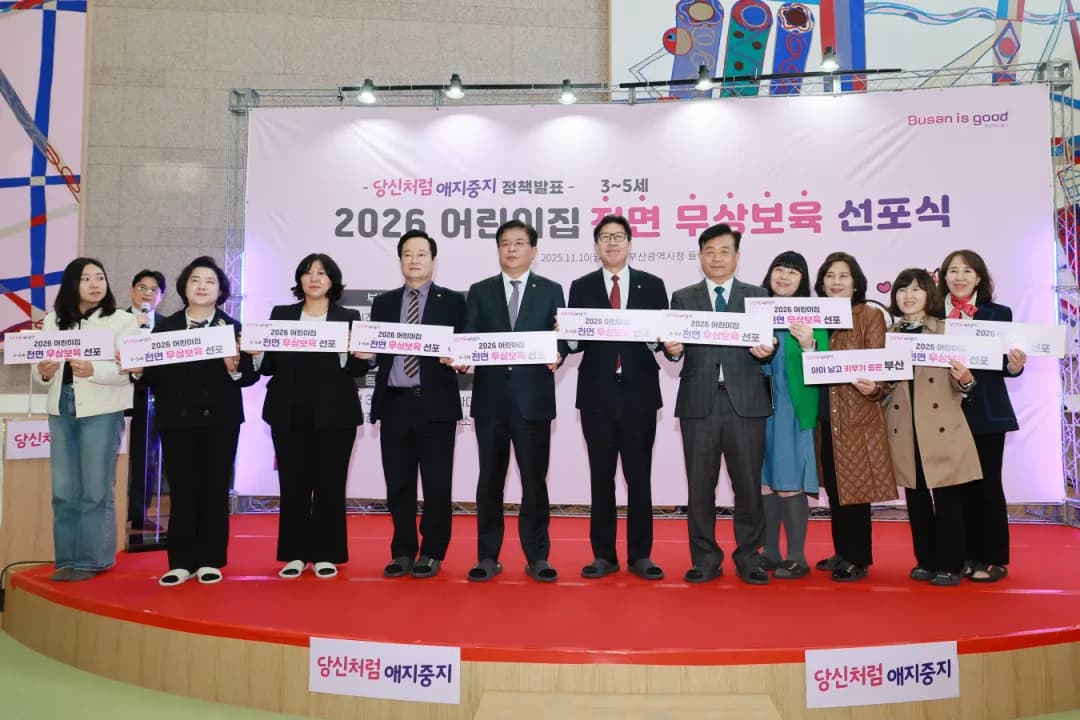
Busan will implement full free childcare for children aged three to five beginning in 2026, eliminating all remaining out-of-pocket costs for parents and extending new benefits to foreign-national families.

Busan marks the 20th year of its fireworks festival this weekend with its largest show yet over Gwangalli Beach. About a million spectators are expected as more than 7,000 personnel are deployed to ensure a safe, orderly night along the waterfront.

Each era called it progress, but the pattern never changed. Busan filled its seas and rivers to build new ground, trading geography for growth. A century later, the city faces the question it has long avoided—what to stand for, not just where to stand.

A 500 MWh energy-storage system and AI-powered grid management anchor a new experiment in industrial efficiency. The deeper challenge is not hardware but governance.

“Design became Busan’s new industrial policy — not a means of production, but a method of presentation.” The city’s shift toward design governance turned aesthetics into administration.

As the global order of technology fractures, Korea’s integration of policy, industry, and computation defines a new paradigm — intelligence not as abstraction, but as architecture.
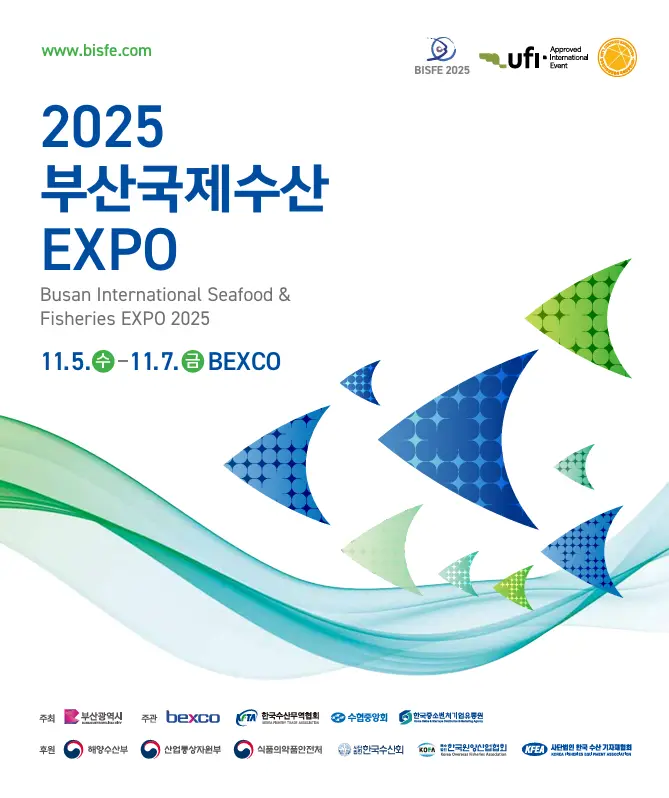
As global fisheries move toward automated and eco-friendly production, Busan’s international seafood expo aims to bridge traditional fishing culture with emerging marine technologies.
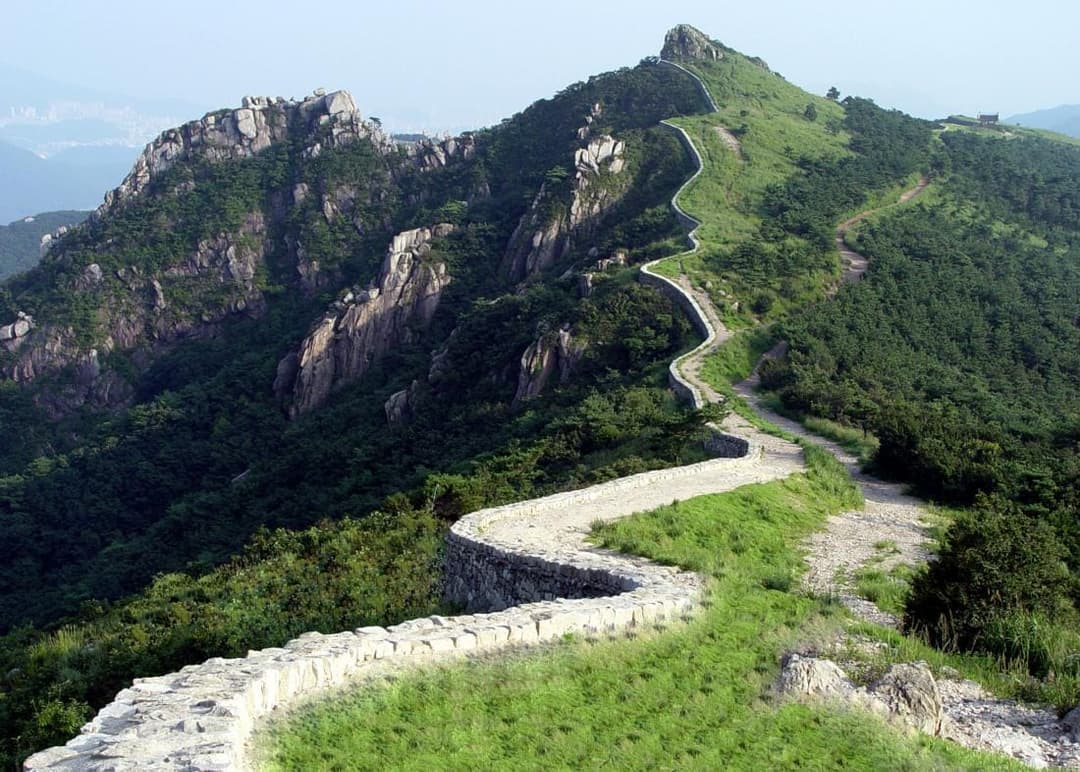
Busan’s Geumjeongsan Mountain has been officially designated South Korea’s 24th national park — and the first located entirely within a city.

AI is no longer a futuristic accessory but the core mechanism for policy recalibration. Properly designed, it can price risk, reward equity, and realign incentives across Korea’s unbalanced medical economy—if, and only if, the state owns the code that governs care.

Between permission and power lies the new frontier of alliance politics. South Korea’s pursuit of nuclear propulsion tests not only technology, but the architecture of trust built over seventy years.

South Korea’s plan to create maritime courts in Busan and Incheon promises decentralization in form—but not in power. Beneath the rhetoric of regional balance lies a familiar pattern: authority remains anchored in Seoul.
Search within Lets Go Busan Sports Portal Launch Enhances Access To Local Facilities or the wider site.