
The Two Lives of Korean Food
Ultra-processed foods carry Korea’s culinary identity across borders, while the traditional meals that built its reputation fade from daily life. The marketplace moves quickly; health follows slowly behind.
Discover the latest news from Busan, covering local events, economy, politics, and culture. Stay informed with Breeze in Busan.
Ultra-processed foods carry Korea’s culinary identity across borders, while the traditional meals that built its reputation fade from daily life. The marketplace moves quickly; health follows slowly behind.

For years, Busan has tried to revive its old hillside districts with small lifts, monorails, and planning models borrowed from flat cities. None of them have worked. The terrain—steep, fragmented, and rapidly aging—keeps breaking the plans long before they reach the ground.

The temporary headquarters sit between the station corridor and a hillside district marked by steep terrain, aging housing and long-standing redevelopment constraints.
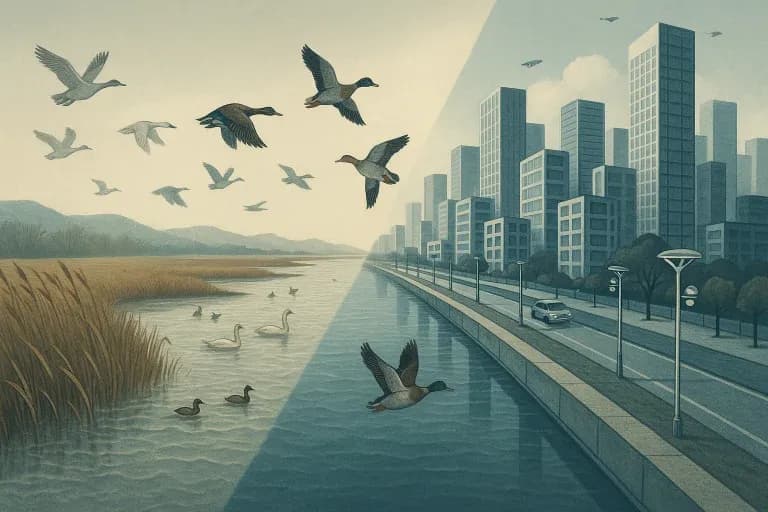
A smart-city district on the Nakdonggang River sits on land that once buffered Korea’s largest estuary. Its construction reveals how a national water corporation became a developer.

Foreign-operated satellite networks, major data breaches and a government data-centre failure reveal how essential Korean services now depend on systems outside national authority, pushing operational sovereignty to the centre of Seoul’s policy agenda.

Visitor growth has surged past 3 million, yet population loss, rising vacancy and weakening urban life reveal a deeper challenge.
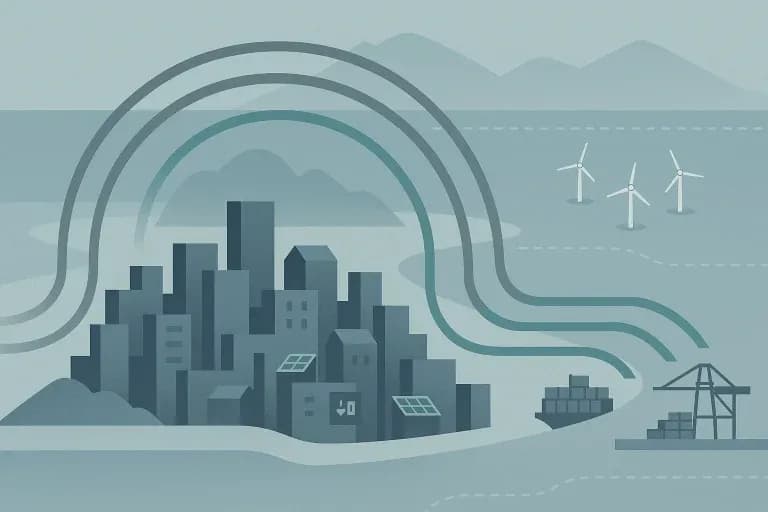
Busan produces far more electricity than it uses, yet less than one terawatt-hour comes from renewable sources. Physical limits, stalled offshore plans and rising industrial demand leave Busan with no large-scale path to expand clean power.
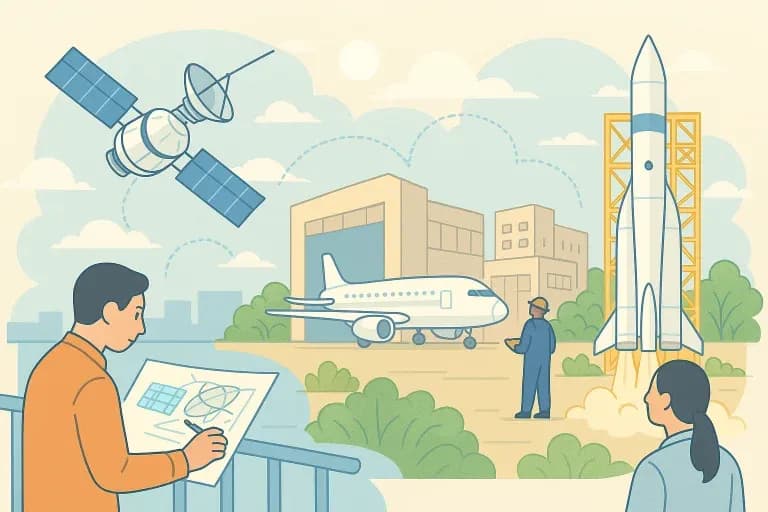
Korea placed its headquarters in the south, but authority, engineering and launch operations remain divided. Without structural change, the new hub cannot guide the national program.

The breach at Coupang revealed how deeply South Korea’s daily life depends on private platforms whose influence now resembles public infrastructure—without the oversight that infrastructure requires.
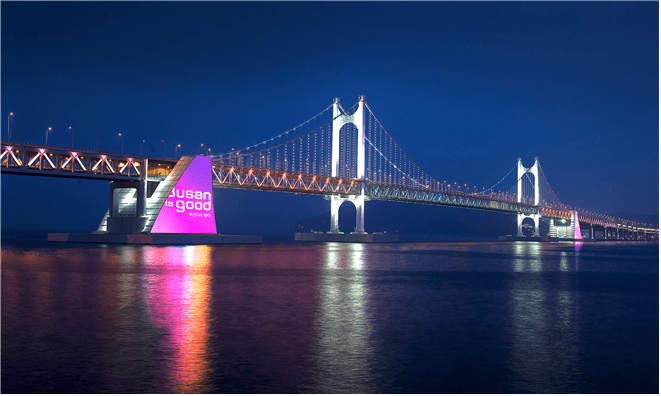
The city’s 52-kilometer coastal belt connects seven bridges from Gadeok to Haeundae. The view is unified, but toll roads, freight traffic and limited walkways still shape how residents move along the shoreline.
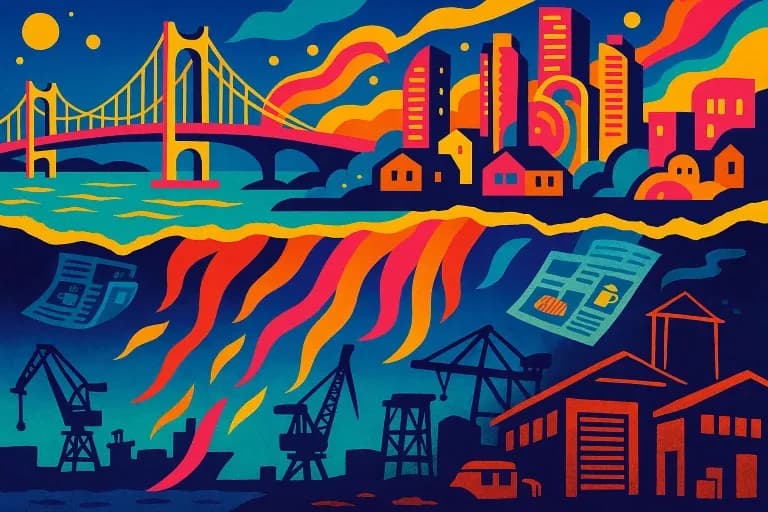
Busan’s tourism corridors stay full, yet the city continues to lose its young. Behind the bright surface lie weakened industries, vanished headquarters, and a labour market no branding campaign can repair.
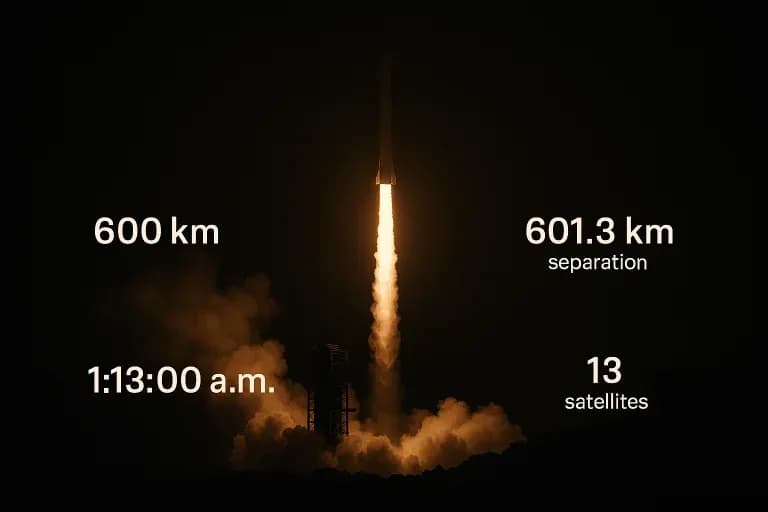
South Korea’s Nuri rocket completed its fourth flight with a clean night launch, placing 13 satellites into orbit and supplying new data for the country’s reorganized space program.
Search within Next Sohee Exposes Labor Exploitation And Emotional Stress In The Korean Workplace or the wider site.