
Why Housing Prices No Longer Reflect Urban Health in Busan
Busan’s housing market appears stable on paper, but rising prices increasingly mask weakening neighborhood economies and declining everyday consumption.
Discover the latest news from Busan, covering local events, economy, politics, and culture. Stay informed with Breeze in Busan.
Busan’s housing market appears stable on paper, but rising prices increasingly mask weakening neighborhood economies and declining everyday consumption.

With one of the highest tertiary attainment rates in the OECD, Korea’s universities remain unavoidable. Yet lower employment returns, rising private costs, and widespread AI-assisted coursework raise questions about what university education reliably certifies.

Intended to reduce spatial disparities, Busan’s East–West balanced development instead redistributed population internally. Growth clustered in Gangseo-gu, while adjacent districts continued to lose residents.

The central challenge facing Busan is no longer how to restore growth, but how to govern a city in which demographic continuity can no longer be assumed.

Ridership data show an existing commuter base at Daejeo Station, but the line’s success depends on operating speed and the pace of development in Eco Delta City.

Recent signs of tightening in Busan’s jeonse market do not indicate a broad-based recovery. Instead, they reflect demand concentrating in a limited number of districts amid population decline, rising vacancy, and a gradual shift away from deposit-based leases.
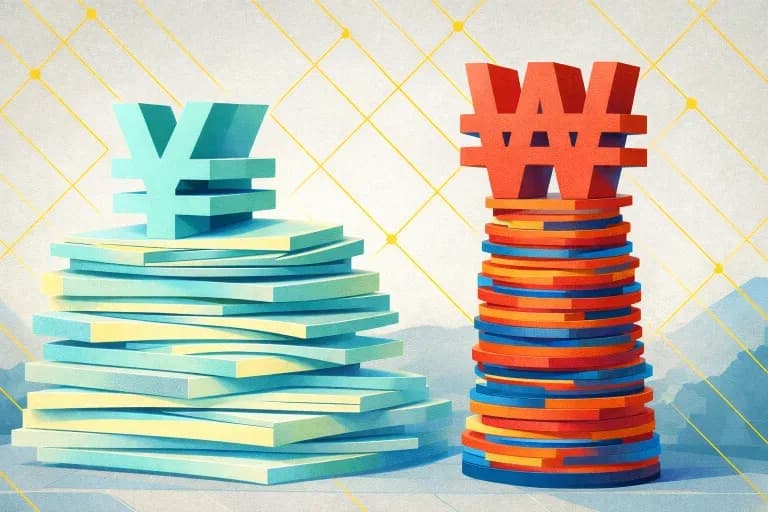
Japan and South Korea face similar demographic decline and tighter global financial conditions, yet economic adjustment has unfolded at markedly different speeds.

More than four-fifths of Busan’s population loss over six months came from residents aged 20 to 39, compressing years of demographic change into a single reporting cycle.

A data breach at Coupang has triggered a parliamentary hearing in South Korea, exposing how fast delivery, consumer lock-in and cross-border corporate governance complicate accountability in the platform economy.

Government AI systems do not merely assist work; they issue authoritative signals that shape rights, obligations, and trust.
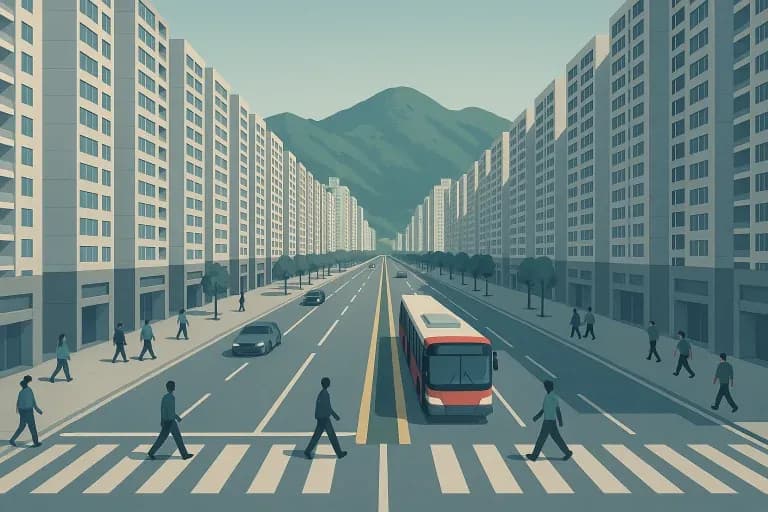
Transit access improved along Busan’s main corridors, but adjacent redevelopment failed to translate those gains into stronger street-level conditions.

A data breach affecting more than 33 million accounts failed to drive users away from Coupang, revealing how speed has become the default condition of everyday consumption.
Search within Next Sohee Exposes Labor Exploitation And Emotional Stress In The Korean Workplace or the wider site.