
Why Eating Out in Korea Feels Worse—Even as It Costs More
Rising prices, identical menus, and influencer hype — Korean dining is changing in ways many diners feel but can’t quite name.
Reporting and analysis on business, corporate strategy, investment, startups, regulation, and market developments in Korea and beyond.
About this section
Reporting on companies, industry, corporate strategy, and regulation, with attention to how business developments reshape Busan and Korea.
Rising prices, identical menus, and influencer hype — Korean dining is changing in ways many diners feel but can’t quite name.
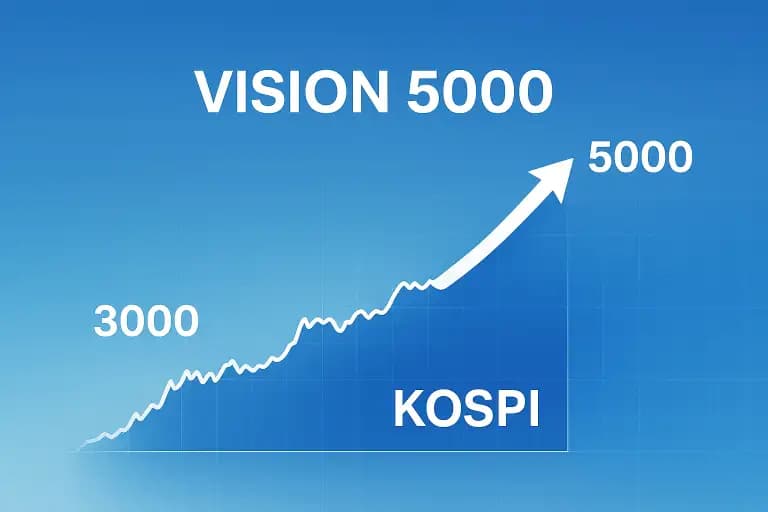
The newly passed amendments address investor concerns over concentrated control and opaque board structures by enhancing minority protections and mandating electronic shareholder access.

In South Korea, the path to prestige increasingly runs through medical school. Despite a national push to lead in artificial intelligence, semiconductors, and advanced robotics, the country’s brightest students are opting for stethoscopes over circuit boards.

Busan is investing in high-tech fulfillment centers with promises of jobs and growth. But behind the numbers, labor is becoming more fragile, fragmented—and increasingly invisible.
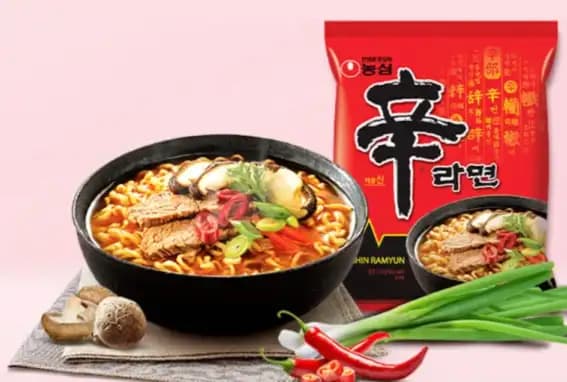
Korean ramen has become a global favorite with its bold, spicy flavors. However, as health-conscious trends grow, the industry faces challenges in balancing convenience, taste, and nutrition to meet evolving consumer demands.

Retail vacancy rates in South Korea hit multi-year highs, with both trendy districts and new apartment complexes struggling to attract tenants.

In South Korea, the sharp rise in food prices is putting a strain on both consumers and small businesses. As inflation persists, many workers are opting for in-house dining, while small eateries struggle with rising ingredient costs, energy prices, and labor shortages.

What happens when every taste is a brand, every menu is a manual, and every chef follows someone else’s recipe?

Franchise bakeries have flourished in Korea. But at what cost? Local flavors, food identity, and cultural diversity are disappearing.

Aesthetic care is thriving — but at what price to the country’s healthcare system? Inside the contradiction between cosmetic excellence and essential care collapse.

Once seen as a lifeline for small businesses, publicly funded food delivery apps are shutting down across South Korea. Poor design, weak infrastructure, and lack of sustained strategy reveal a deeper problem: local governments are still treating digital services as short-term campaigns.

South Korea’s knowledge industry centers were meant to support startups and SMEs, but oversupply and speculative investment have left thousands of office spaces vacant, driving investors into financial distress.
Search within Business or the wider site.