
Busan Is Running, but It No Longer Circulates
Busan’s decline isn’t collapse — it’s stillness. A gradual slowing of motion, a city alive but not living.
Discover the latest news from Busan, covering local events, economy, politics, and culture. Stay informed with Breeze in Busan.
Busan’s decline isn’t collapse — it’s stillness. A gradual slowing of motion, a city alive but not living.
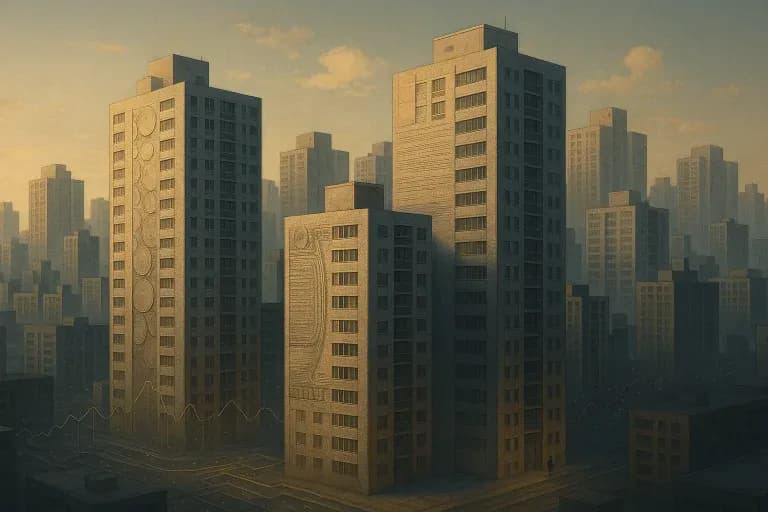
South Korea’s real estate boom built a nation on belief, turning apartments into currency and housing into ideology. What began as housing policy evolved into an economy of leverage and faith, where stability preserves imbalance and prosperity hides erosion.

Busan’s ₩91.8 billion “Kkiin Generation” plan targets adults aged 35–55 — Korea’s first policy to name the missing middle. Behind the term lies a deeper crisis: educated, unmarried, digital-era midlifers caught between welfare systems built for families and firms.
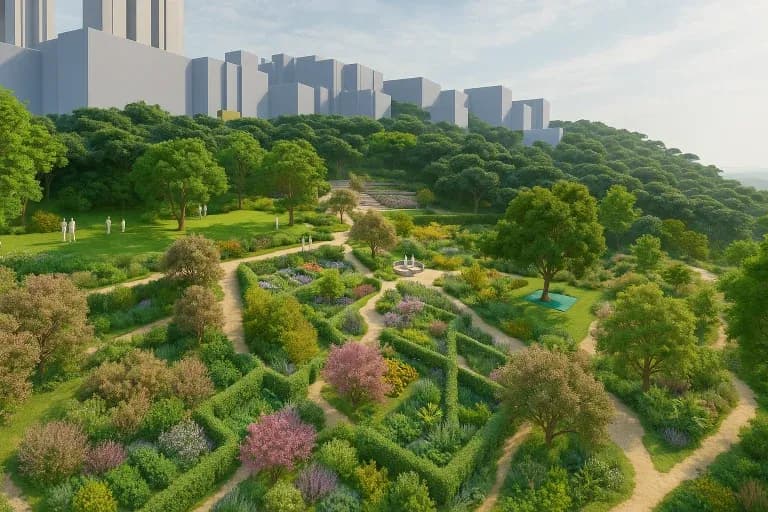
On a hillside where cars crawl and pedestrians cling to the curb, Busan’s vision of the “15-Minute City” meets its physical limit. Dalmajigil Park promises harmony between nature and culture — but exposes how proximity, without mobility, remains only a slogan.
A deep look at how South Korean media turned the language of generations into a cultural script — transforming data into identity, and journalism into marketing.
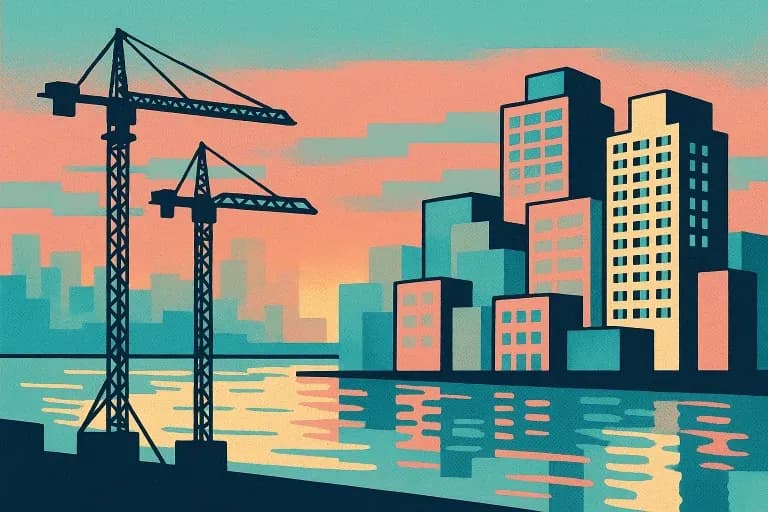
From ministry relocations to design-city branding, Busan keeps rebuilding its skyline without rebuilding its base. The city’s revival remains rhetorical—a choreography of anticipation where belief replaces productivity and motion stands in for progress.
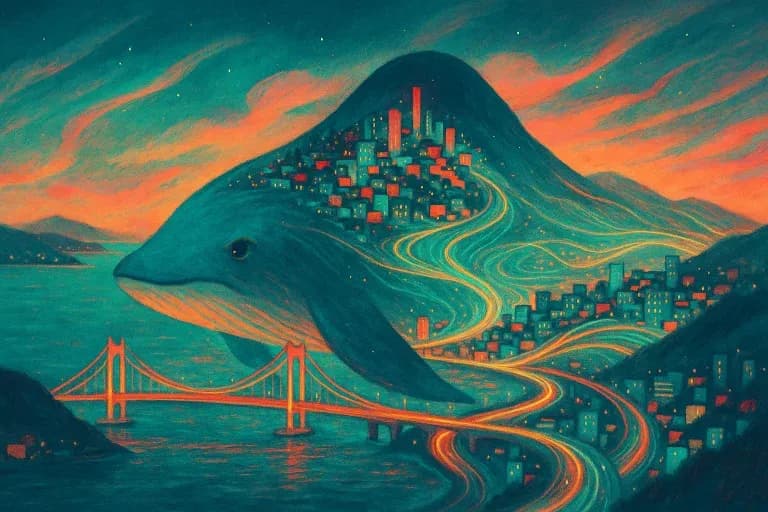
Once the engine of Korea’s industrial ascent, Busan now risks becoming its most modern relic. The city’s revival depends not on new projects or incentives, but on building a system that aligns talent, energy, and data under coherent governance.
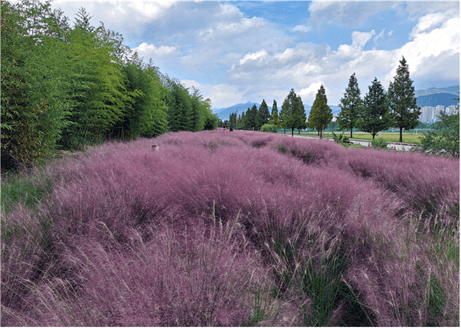
Autumn paints Busan’s Nakdonggang River parks in gold, white and pink as fields of cosmos, buckwheat and pink muhly bloom under a carefully managed ecological plan.
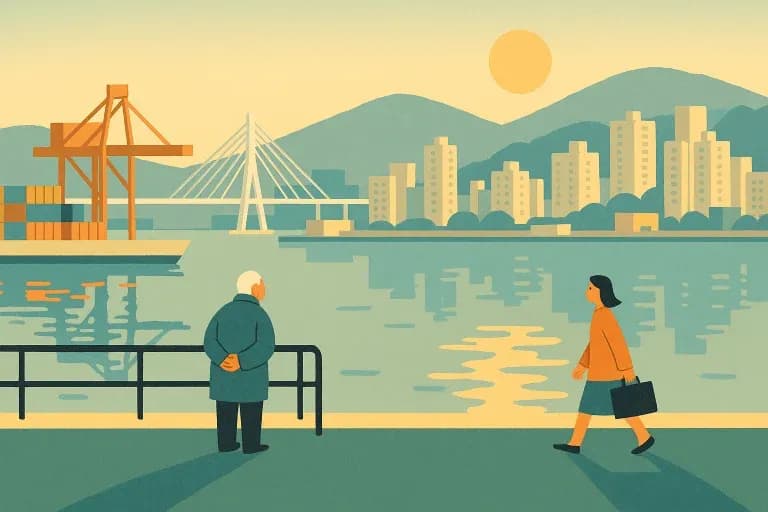
Busan’s skyline gleams, but its economy tells a quieter story — one of slow consumption, aging demographics, and unbalanced growth.

South Korea’s housing market — once the cornerstone of economic stability — has become the clearest mirror of inequality. From the unraveling jeonse system to Seoul’s relentless apartment boom, rising prices reflect not growth but distortion.

The Trump administration’s use of the Insurrection Act and National Guard reveals a deeper constitutional shift—how law itself becomes a tool of control.
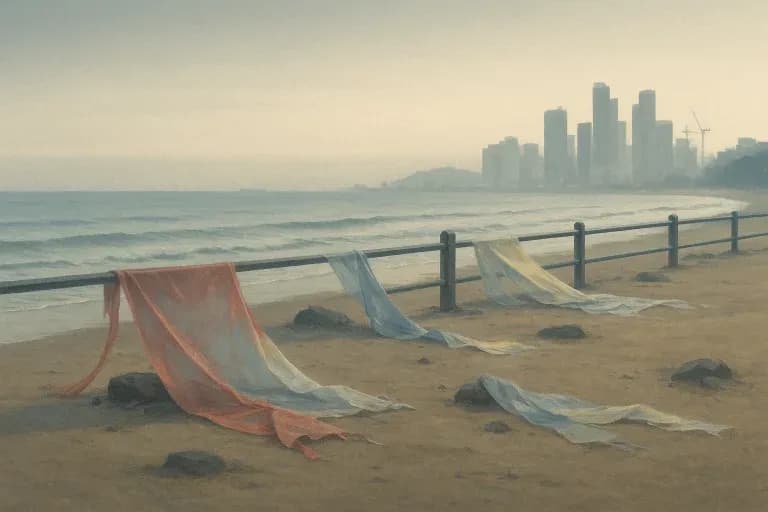
Across South Korea’s southern coast, thousands of political banners drape the city of Busan. What began as expression has turned into pollution — and a test of how democracy occupies public space.
Search within Next Sohee Exposes Labor Exploitation And Emotional Stress In The Korean Workplace or the wider site.