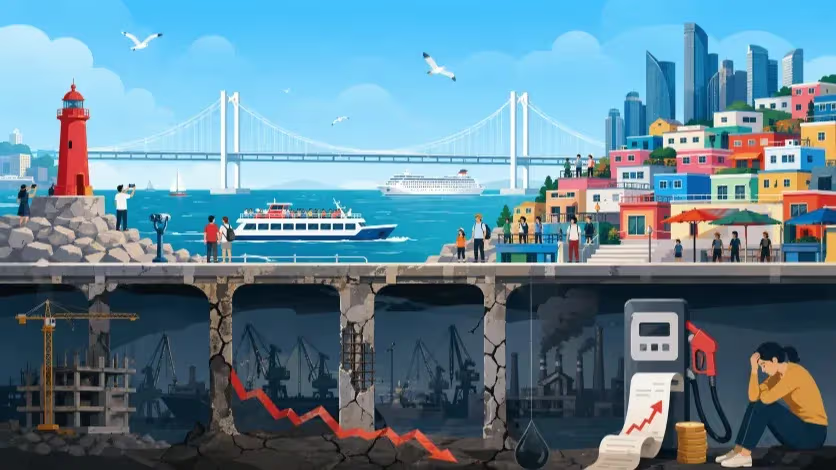
What Busan’s tourism rebound does not fix
Visitors are back, but the sectors that give the city economic depth remain under pressure — leaving Busan busier on the surface and more exposed underneath.
Discover the latest news from Busan, covering local events, economy, politics, and culture. Stay informed with Breeze in Busan.
Visitors are back, but the sectors that give the city economic depth remain under pressure — leaving Busan busier on the surface and more exposed underneath.

More South Koreans live alone, delay marriage, distrust institutions and draw firmer personal boundaries. The deeper crisis lies not in excessive individualism but in freedom that has outpaced the social protections, moral habits and shared tolerance needed to sustain common life.
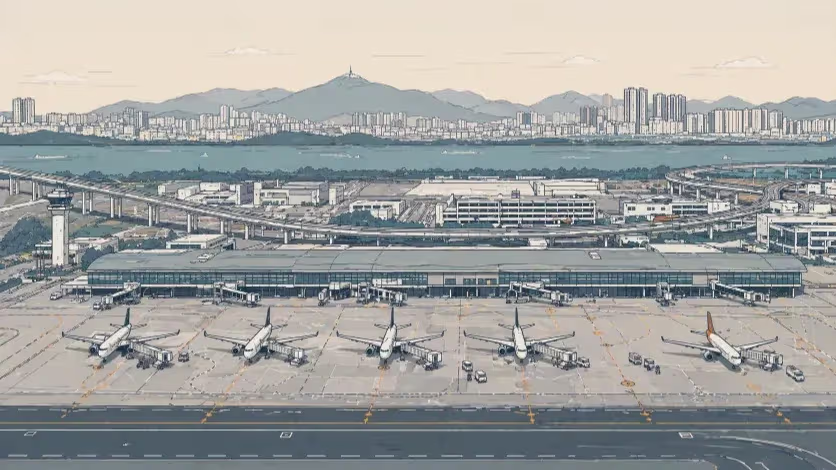
Gimhae is already under pressure, Gadeokdo remains years from opening, and the hardest question in Busan’s airport debate is no longer whether the city needs a new gateway, but how it lives through the wait.
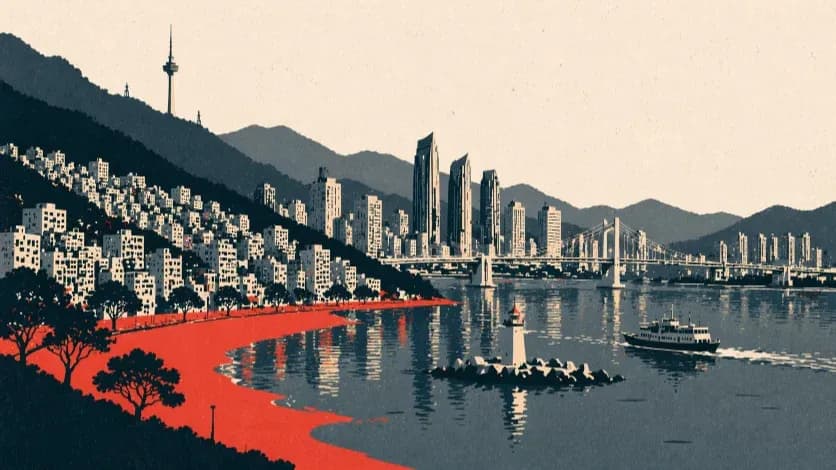
Busan has expanded adaptation planning and disaster-data systems, but its real test lies in whether urban development, drainage and public space are being reorganized around the terrain itself.
Polling shows deep public anxiety over Busan’s economy. But the deeper problem is structural: an older population, weaker industrial momentum and a local market that no longer supports the city in the way it once did.

At Seobusan Smart Valley, Busan is trying to use an integrated control system to manage the risks of an older industrial complex. Whether that becomes a working public-safety tool or a technology showcase will depend on results the city has yet to prove.
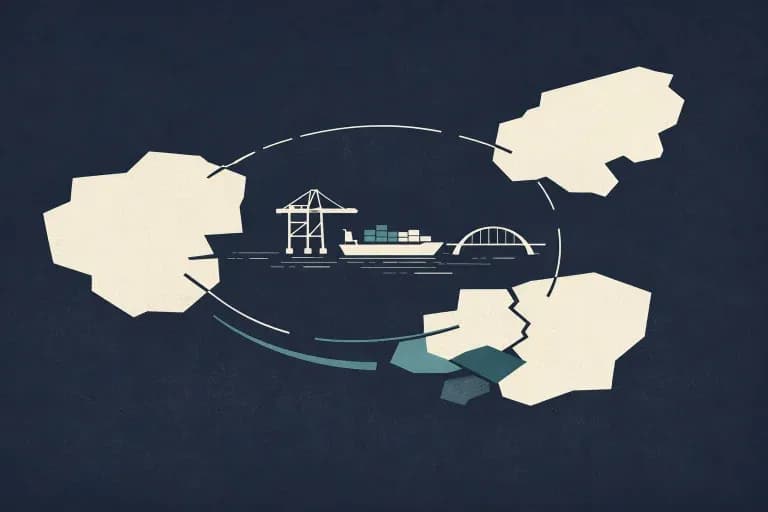
The southeast’s integration debate has returned to the center of local politics, but the argument itself is not new. What voters are being asked to judge is not only which map looks bigger or cleaner, but which side can explain why its version will last when earlier ones did not.

South Korea now speaks more plainly about Palestinian suffering than it once did. It still does not recognize Palestine. That gap — between language and decision — is where the real story begins.
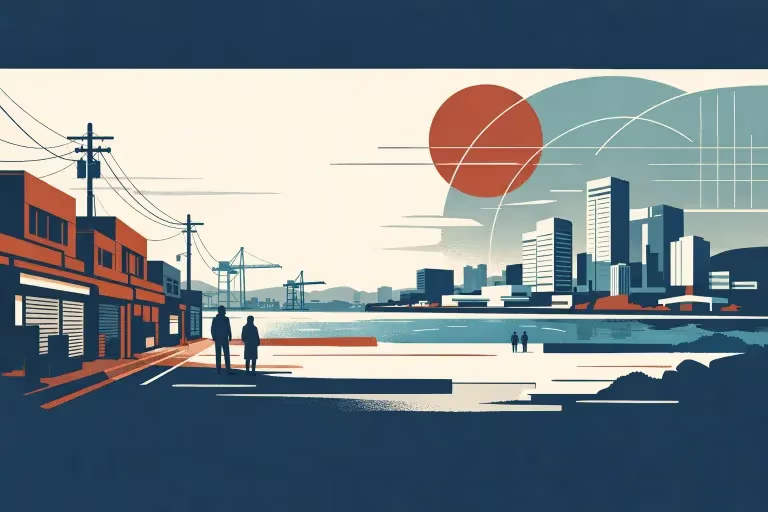
Busan is aging, losing younger residents, and struggling to sustain confidence in North Port, its flagship waterfront project. With World Design Capital 2028, the city is trying to show that visible ambition can still produce real urban renewal.
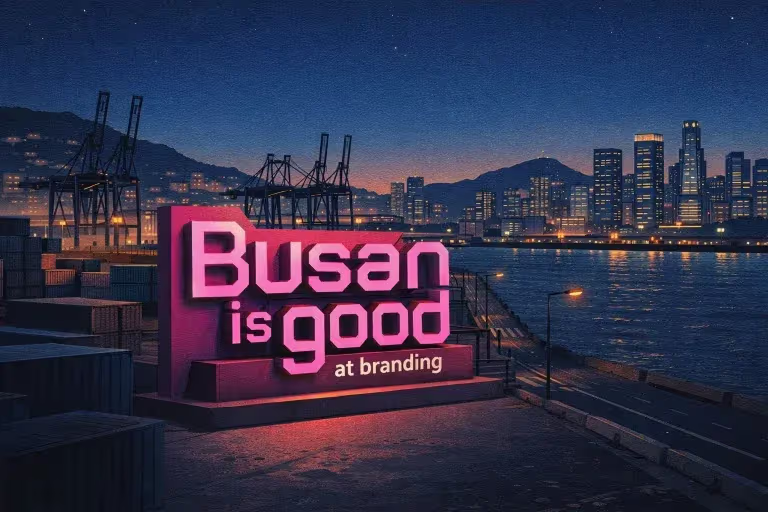
City branding is not unusual. What makes Busan worth examining is how closely branding, public language and broader policy messaging came to overlap, raising harder questions about visibility, priorities and the cost of future revision.

Busan is increasingly credible as a regional investment base, but firms still prefer the capital region and Chungcheong when making final location decisions. The gap lies in ecosystem depth, strategic services and long-term corporate staying power.
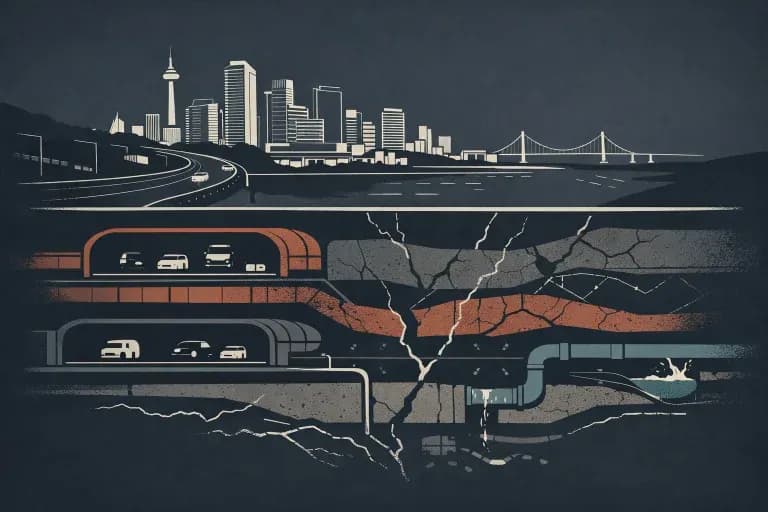
The latest settlement scare near the Mandeok–Centum Urban Expressway has sharpened scrutiny of a broader underground strategy in a city where buried risk has never been fully settled.
Search within Next Sohee Exposes Labor Exploitation And Emotional Stress In The Korean Workplace or the wider site.