
Free Transfers Across Busan–Gimhae–Yangsan Transit Networks Start Sept. 19
Starting Sept. 19, intercity transfer fees across Busan, Gimhae, and Yangsan will be abolished, saving commuters over ₩5.5B annually.
Discover the latest news from Busan, covering local events, economy, politics, and culture. Stay informed with Breeze in Busan.
Starting Sept. 19, intercity transfer fees across Busan, Gimhae, and Yangsan will be abolished, saving commuters over ₩5.5B annually.

Korea is moving to legalize tattooing under a strict public health framework, introducing licensing, safety rules, and oversight after decades in the shadows.

Despite significant allocations for airports, metro lines, bridges, and innovation hubs, Busan’s 2026 megaprojects face delays, failed tenders, and engineering risks.
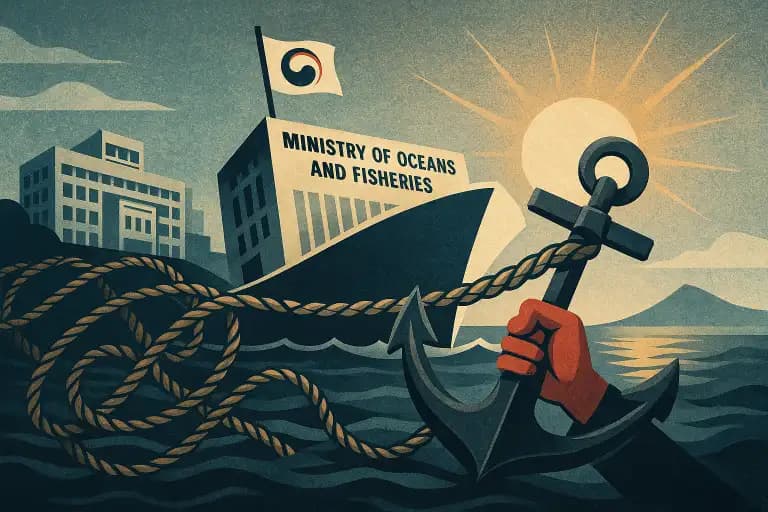
Busan’s campaign to host the Ministry of Oceans and Fisheries has become a test of political will, economic strategy, and Korea’s decades-long push for decentralization.

One month’s birth data in Busan hides the bigger picture: nationwide marriage waves, aging cohorts, and timing effects drove the increase, not local programs.

Busan has launched major training and startup programs with Microsoft and Google to fuel its digital economy. Yet without outcome tracking for employment, wages, or startup survival, the city risks turning ambitious initiatives into little more than publicity events.
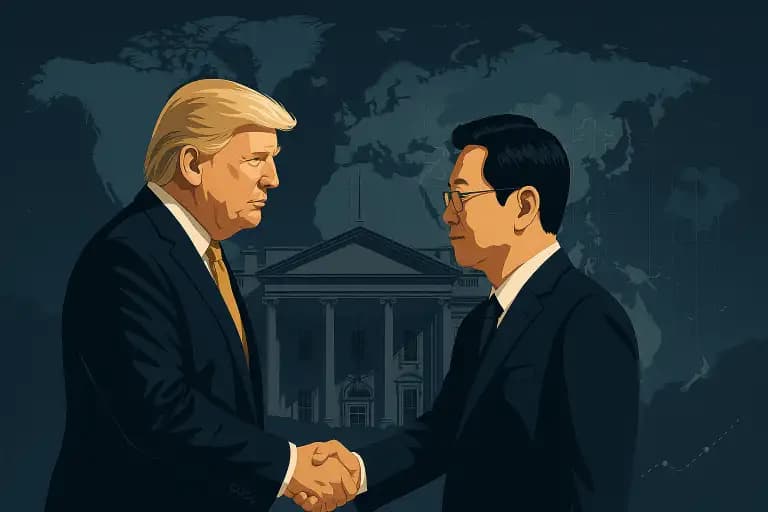
Economic deals, defense costs, and diplomacy converged as the Trump–Lee summit recast the U.S.–Korea alliance in an era of rivalry and change.

Busan’s Energy Super Week brings together global ministers, the IEA, and the World Bank to discuss how rising digital power demand, renewable integration, and hydrogen innovation will shape South Korea’s energy transition.

Busan plans to open a 50-bed children’s hospital by 2028 to address mounting pediatric care gaps. But questions over staffing, funding, and emergency system integration could determine whether the project meets its ambitious promise.

Korea’s National Assembly has passed the long-debated Yellow Envelope Law, expanding labor protections to subcontracted and platform workers while limiting corporate claims for strike-related damages.

The August 23 Korea–Japan summit produced the first joint statement in seventeen years, focusing on economic security, technology cooperation, and supply chain resilience while avoiding politically sensitive disputes.

The Ministry of Economy and Finance dominates South Korea’s budgets, from constitutional clauses limiting parliament to fiscal statistics that shape public debate.
Search within Apt Rose And Bruno Mars Revive A Fading Korean Tradition or the wider site.