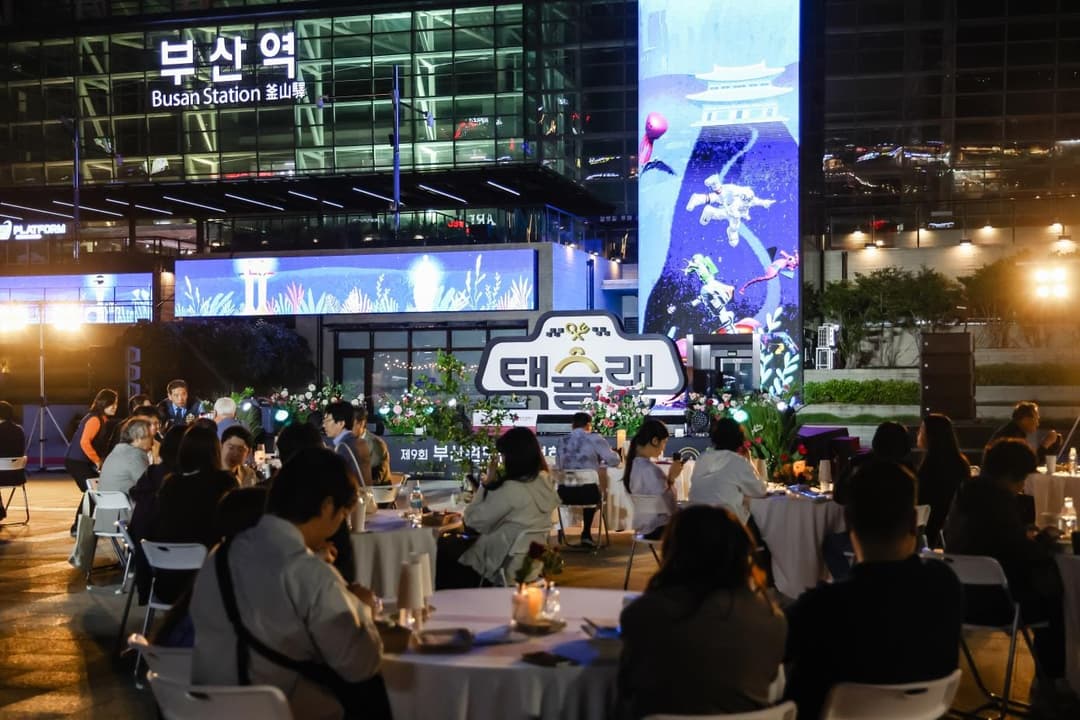
Busan’s Taxi Gourmet Guide Redefines Local Tourism Through Streetwise Flavor
A new food guide in Busan features 28 eateries recommended by long-time taxi drivers, offering a grounded and local view of the city’s culinary identity.
Busan news, in-depth reporting, and editorial insights covering the city’s politics, economy, development, institutions, and social change.
About this section
Coverage of Busan's politics, economy, civic institutions, and urban change, with local developments placed in their wider context.
A new food guide in Busan features 28 eateries recommended by long-time taxi drivers, offering a grounded and local view of the city’s culinary identity.
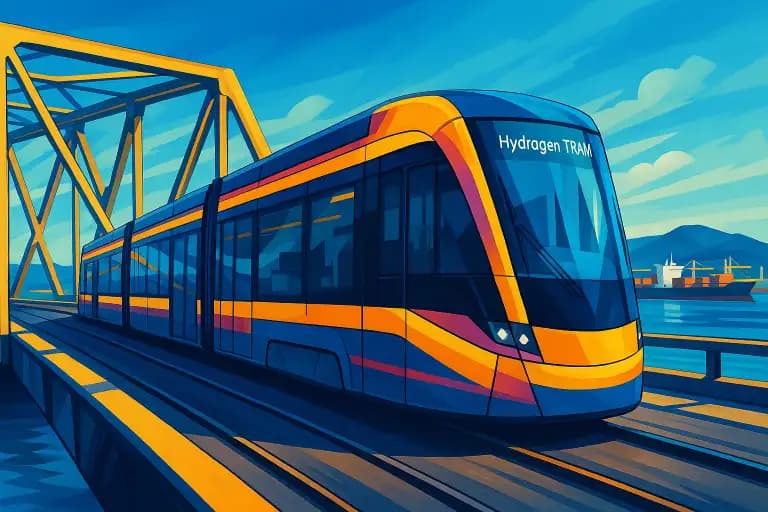
Busan's 2026–2035 plan outlines 10 core routes with a focus on clean energy transit and regional connectivity, including the flagship BuTX line.

As South Koreans struggle to afford lunch and small restaurants shut down at record rates, cities like Busan are revealing the deeper fractures in the country’s domestic economy — from stagnant wages and inflated rents to a platform economy that drains value from local commerce.
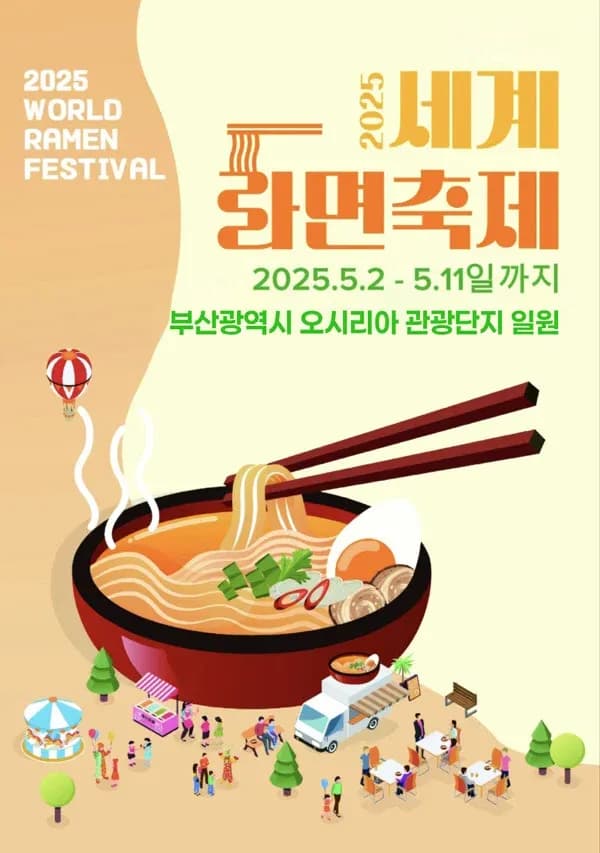
The 2025 World Ramen Festival in Busan promised global flavors and social impact — but visitors found disarray, broken promises, and little more than lukewarm noodles.

From headline concerts to boat tours and cultural exhibitions, the Busan Port Festival 2025 is set to deliver two days of Hallyu-powered events as part of Korea’s nationwide My K-FESTA rollout.

Public contribution systems promise civic benefit. In reality, they deliver vacant plazas, locked startup hubs, and a city built for profit, not people.

Korea’s offshore Gadeokdo Airport project is on a tight schedule, but global precedents like Japan’s Kansai show the risks of building fast on uncertain ground.

Busan plans to revitalize subway station areas with dense mixed-use developments. But with rising vacancies and declining demand, critics warn the strategy may backfire unless it prioritizes communities over construction.

Institutional mergers may address enrollment declines, but without upgrading teacher training standards, Korea’s education competitiveness will continue to erode.

Busan’s hilltop communities are finding new life through art, walking tours, and memory. But can they resist the rising pressure of high-rise redevelopment?
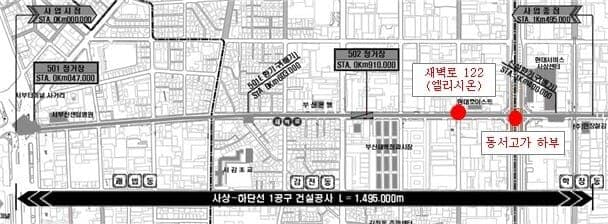
The Sasang–Hadan subway sinkhole wasn’t simply an accident of soil mechanics. It was a preventable disaster rooted in regulatory neglect, incomplete risk assessments, and a public agency’s failure to enforce basic legal requirements.

Local headlines in Busan keep repeating the same alarm: too few apartments, not enough time. But this narrative often reflects developer data, not resident realities—raising questions about who frames urban issues, and why.
Search within Busan or the wider site.