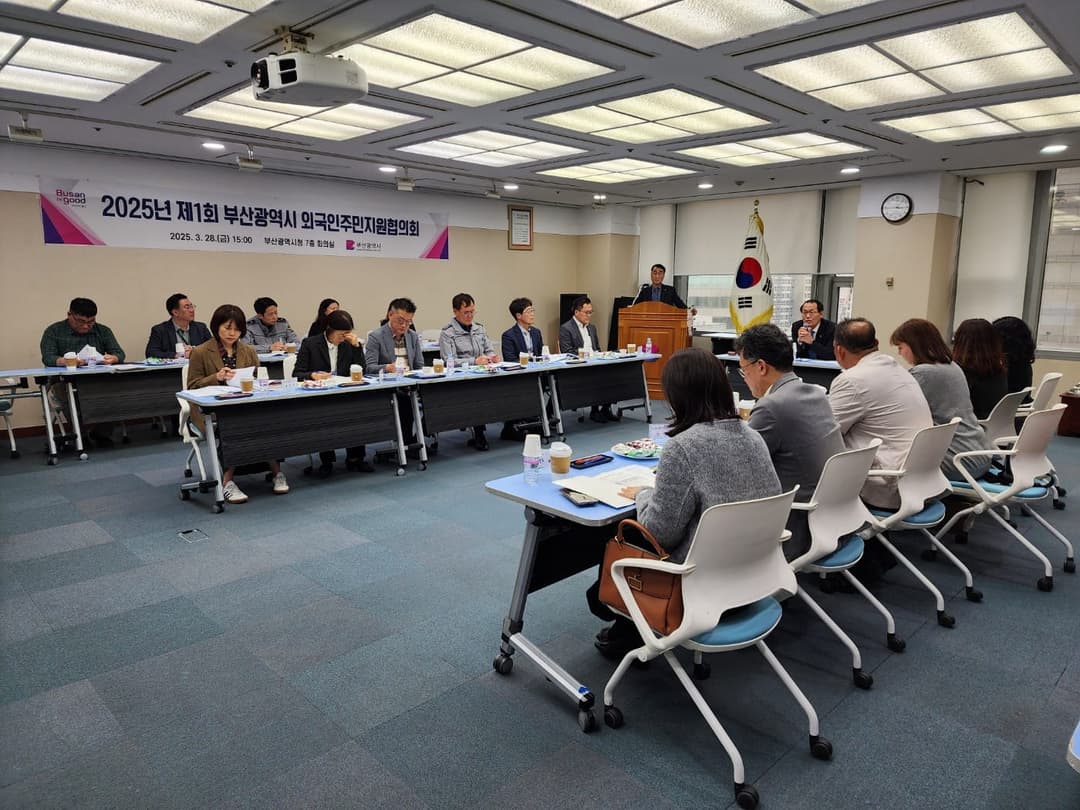
Busan Approves 2025 Plan to Support Growing Foreign Resident Population
The city of Busan has finalized a new policy framework to support foreign residents, outlining 52 programs across settlement services, education, and community integration.
Discover the latest news from Busan, covering local events, economy, politics, and culture. Stay informed with Breeze in Busan.
The city of Busan has finalized a new policy framework to support foreign residents, outlining 52 programs across settlement services, education, and community integration.
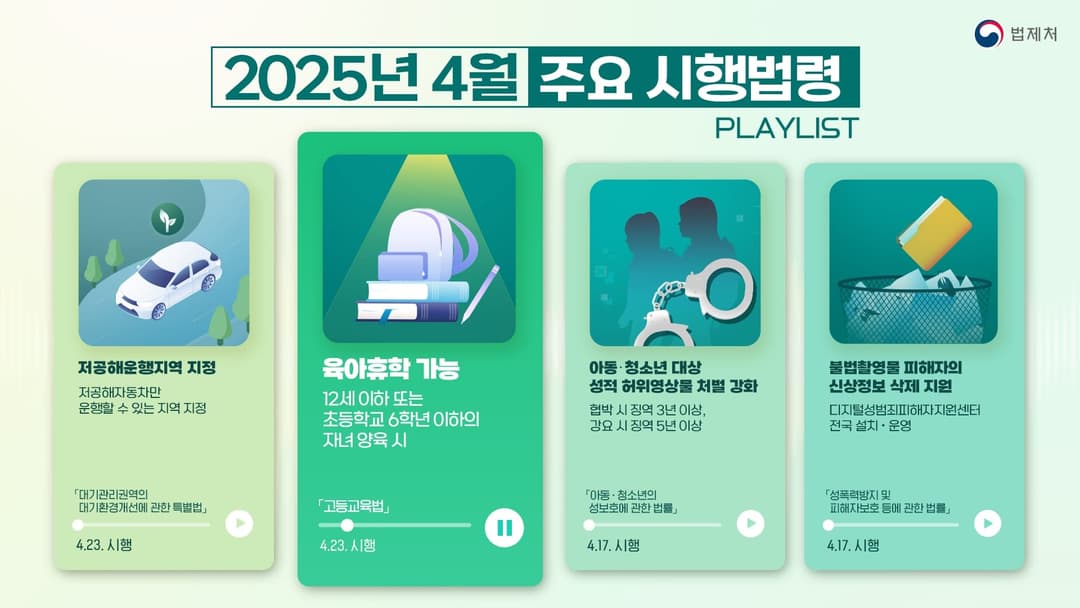
South Korea will enact 97 new laws in April, including expanded parental leave rights for students, tougher penalties for deepfake sex crimes involving minors, and new low-emission zones in cities.
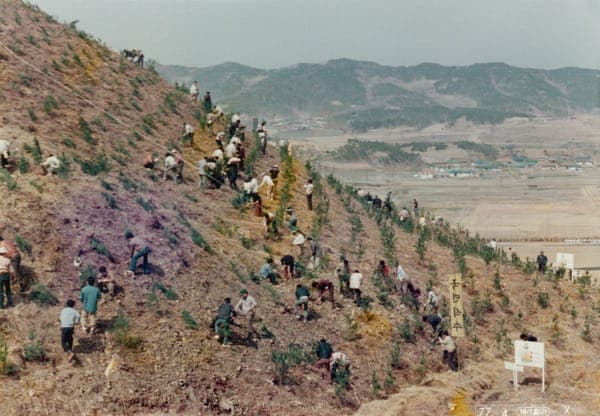
The trees that helped rebuild postwar Korea are now in decline. Can the country reimagine its forests for a hotter, more volatile climate?
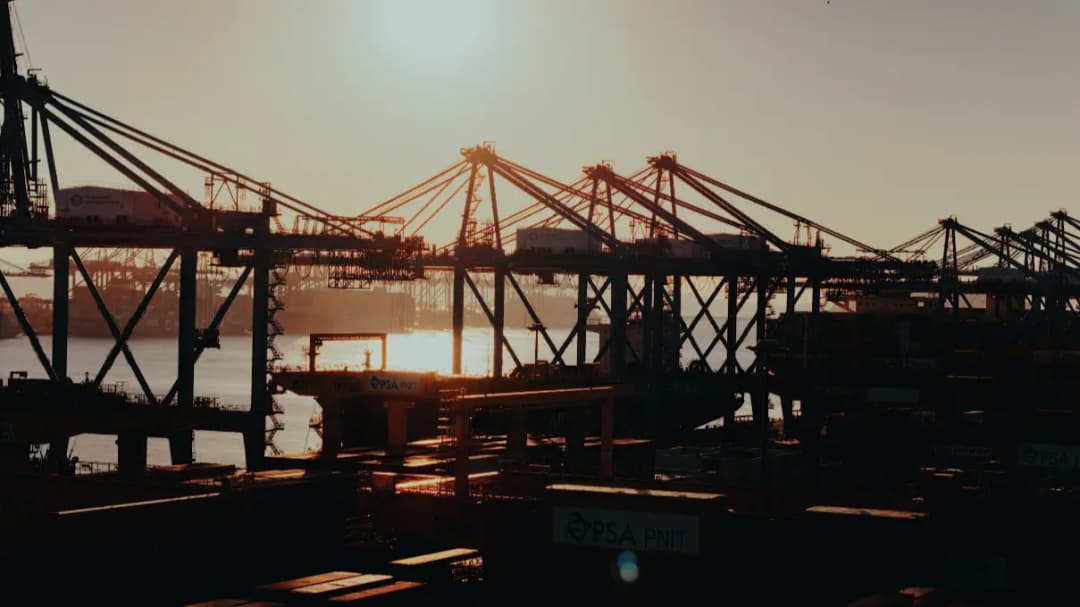
Busan is modern, connected, and livable — but it's losing its youth. Infrastructure alone won’t save the city. Here's how it can rebuild from within.
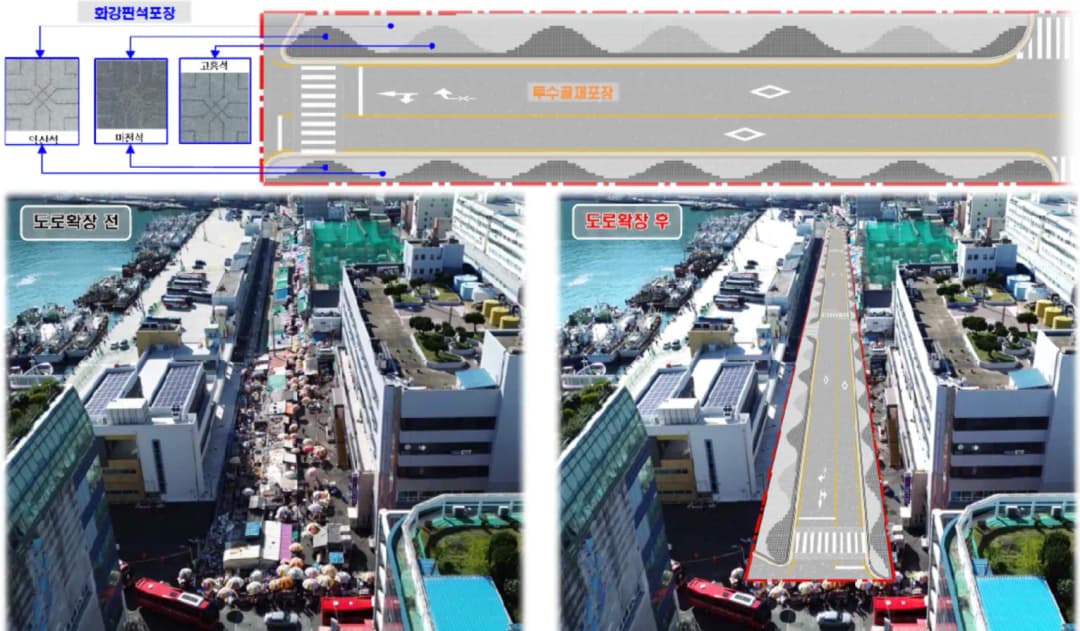
Busan’s Jagalchi Ajimae Market is set to launch in June 2025, relocating over 200 street vendors into a new indoor seafood facility—modernizing infrastructure while preserving cultural heritage.

What happens when education produces elite professionals, but not ethical citizens? When the smartest people in the room are more interested in protecting their privilege than shaping society?

From discounted hotel stays to half-price museum entries, Korea’s Digital Tourism Residency Card now covers 44 regions—nearly half of the country's officially designated depopulation zones. The government hopes to turn travelers into catalysts for regional revival.
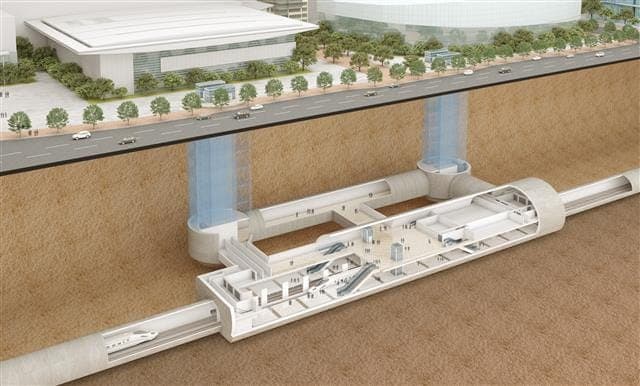
Busan is racing to complete BuTX, a hydrogen-powered express rail set to open with Gadeokdo Airport by 2030. But unstable terrain, unproven tech, and limited public data raise red flags.
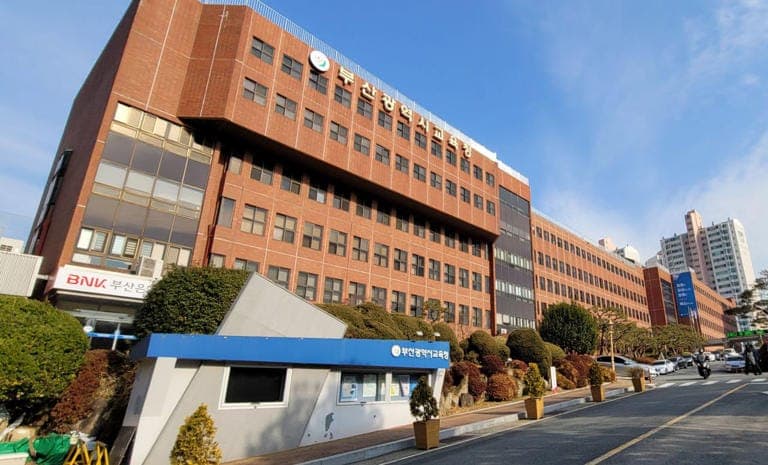
Busan’s education system faces AI disruption, inequality, and public apathy. Can a new superintendent reshape the future of learning?
As the 15-minute city model spreads, Busan tests its limits—facing elevation, equity, and the future of urban design.
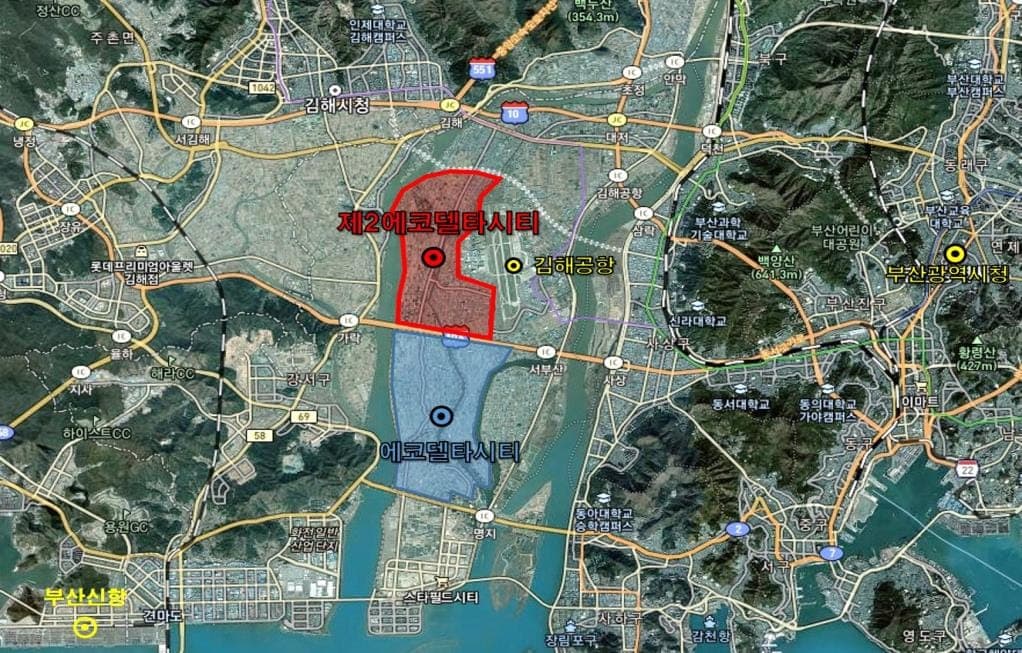
Busan has greenlit its 1.74 million m² R&D innovation district, aiming to decentralize economic growth and compete with Seoul—can it attract talent and deliver real regional growth?

Beneath Korea’s academic success lies a quieter crisis: classrooms that prioritize competition over citizenship, conformity over critical thought. As inequality deepens and public trust erodes, we must ask: Are we educating for democracy—or against it?
Search within Next Sohee Exposes Labor Exploitation And Emotional Stress In The Korean Workplace or the wider site.