Busan Launches Landmark R&D District—but the Real Test Is Just Beginning
Busan has greenlit its 1.74 million m² R&D innovation district, aiming to decentralize economic growth and compete with Seoul—can it attract talent and deliver real regional growth?

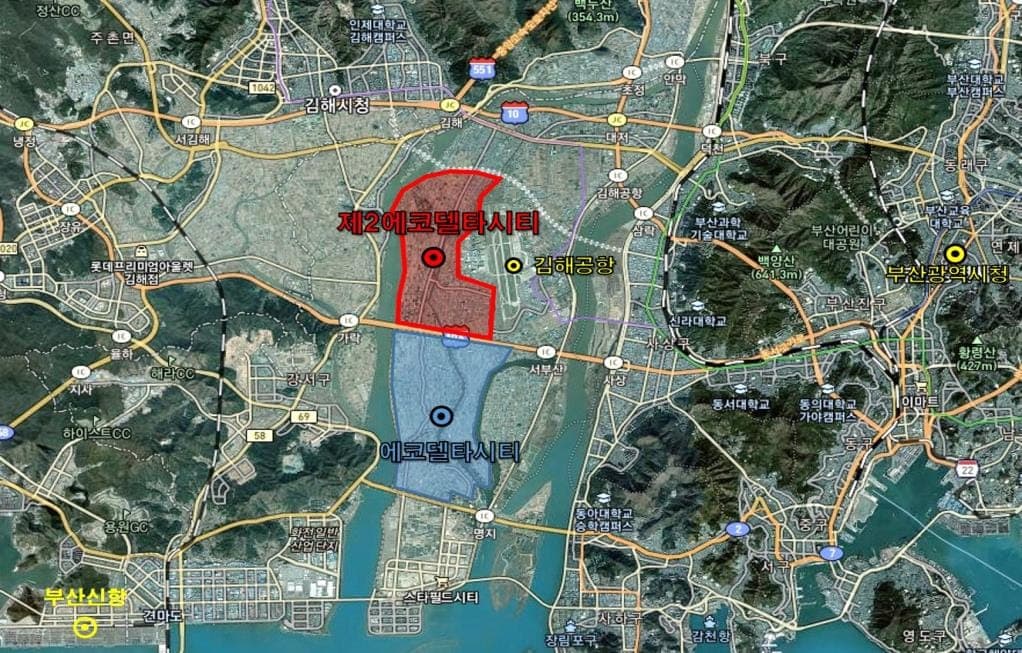
Busan, South Korea — After more than a decade of planning and administrative hurdles, the city of Busan has officially approved the implementation plan for its flagship innovation project: the Busan Research and Development (R&D) Special Zone, also known as the Advanced Convergence District. The 1.74 million-square-meter development, located in Daejeo-dong in the city’s Gangseo District, is now set to break ground in 2026, with a projected completion date of 2030.
Promoted as a future-proof R&D and advanced industry hub, the project aims to transform the western outskirts of Busan into a globally competitive innovation cluster. Mayor Park Heong-joon described the launch as a “turning point for Busan’s industrial transformation,” pledging to “build a world-class R&D hub that leads Korea’s next wave of economic growth.”
But while the city’s vision is bold, questions remain about whether the project can live up to its promise—and whether it will benefit more than just the maps and renderings.
The Busan R&D Special Zone forms the centerpiece of a broader regional redevelopment plan that includes infrastructure such as the new Gadeokdo International Airport, the Second Eco Delta City, and the Northeast Asia Logistics Platform. The development is designed as a “15-minute compact city,” integrating residential, industrial, and transit-oriented components to reduce commute times and improve urban efficiency.
According to the city’s plan, the special zone will allocate 43% of its land to industrial uses—including research, advanced manufacturing, and marine-biotech clusters—and will reserve a significant portion specifically for SMEs. Supporting facilities such as convention centers, green spaces, commercial zones, and roads are also included in the blueprint. The project is jointly led by Korea Land and Housing Corporation (65%) and Busan Urban Corporation (35%).
The city's ambition is to create a vertically integrated innovation corridor—where research leads to entrepreneurship, which in turn fuels job creation and local resilience. Officials say the zone is projected to generate over 3,600 new jobs and nearly KRW 370 billion (approx. USD 280 million) in economic output, based on earlier feasibility studies.
Yet beneath the surface of this optimistic forecast lie several unresolved issues—starting with land compensation. The area’s development depends on negotiated expropriations and relocation agreements with residents and landowners, many of whom have long-standing ties to the region. Past development efforts in South Korea have faced delays or litigation over opaque compensation procedures. Whether Busan will pursue a transparent, inclusive approach remains to be seen.
There is also the broader question of human capital. While physical infrastructure can be built in years, it often takes decades to nurture the institutional ecosystems that underpin vibrant R&D hubs. Critics point out that without major academic institutions or research anchors already in place, Busan may struggle to attract top-tier talent from Seoul or abroad.
In addition, concerns have been raised about the governance model of the zone. While billed as a public-private collaboration, critics fear that the project could end up overly bureaucratic or technocratic, with limited input from civic stakeholders or end-users. “Innovation doesn’t just happen in labs,” said one regional planner. “It needs to be cultivated through participatory design, shared ownership, and trust.”
Busan’s R&D district is arriving at a time when South Korea is actively seeking to decentralize economic opportunity beyond Seoul. In that context, the project serves as more than a local initiative—it’s a test case for whether Korea can build cities that attract talent, foster innovation, and retain young people.
Experts note that the traditional drivers of Korean growth—export-led manufacturing and conglomerate dominance—are reaching their limits. With youth disillusionment on the rise and regional inequality deepening, there is increasing urgency to create urban environments where quality of life, not just GDP, is the primary metric.
“A new industrial complex alone won’t stop the brain drain,” said a Busan-based economist. “What we need is a place where people choose to stay, not because they have to—but because they want to.”
Busan’s officials hope that the synergy of the R&D zone with nearby developments—like the Gadeokdo new Airport and the Second Eco Delta City—will create a dense urban innovation corridor capable of sustaining itself. Yet experience shows that without careful planning, such mega-projects can easily become sterile, underutilized, or dominated by speculative real estate.
Mayor Park has promised to fast-track the land compensation process and deliver groundbreaking by 2026. But many observers argue that the real deadline is not physical—it’s generational. Whether the R&D zone becomes a living, breathing community or just another name on a list of unrealized smart cities will depend on choices made today.
As Korea faces the dual challenges of economic transition and democratic fatigue, Busan’s project offers a rare opportunity to reimagine what development means in the 21st century. Not just in terms of productivity, but in terms of belonging, equity, and civic engagement.
The question is not whether Busan can build a research zone—but whether it can build a city of the future where people thrive, not just work.
Continue this reporting
Reporting on the same issue
Related coverage selected from the article's desk, topics and newsroom relationships.
 NewsOct 16, 2026
What Is Still Worth Going to See?
Busan’s biennale faces questions of artistic judgment and institutional care....
 NewsOct 14, 2026
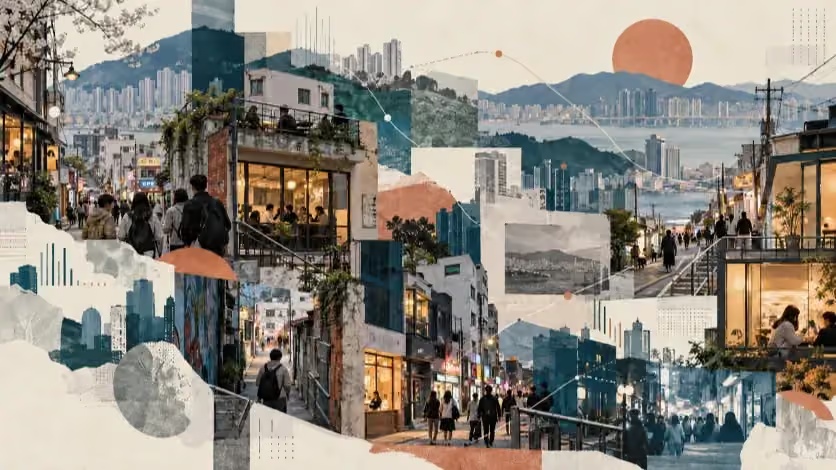
What Became of Busan’s University Streets?
From 2015 to 2023, registered businesses grew near Pusan National University...
 NewsOct 12, 2026
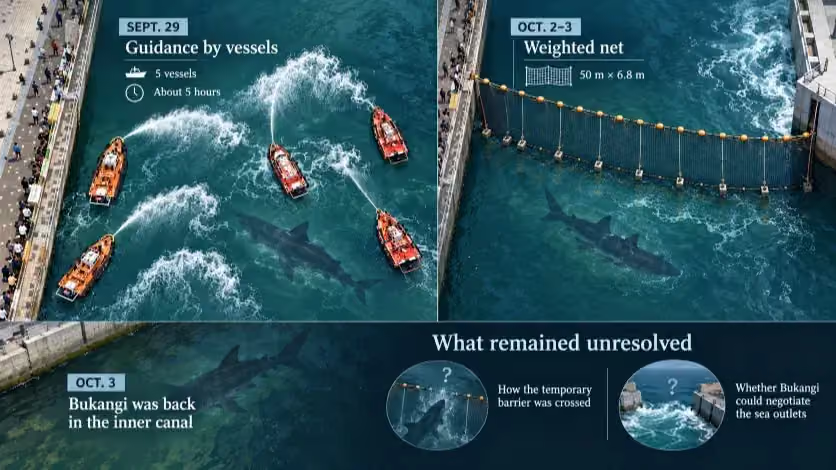
Bukangi, the Shark That Stayed in Busan’s North Port
A rescue net guided Bukangi toward the sea, but the dusky shark returned to B...
More from the author
More from this byline
Stay with the same line of reporting through more work from this byline.
 NewsOct 9, 2026
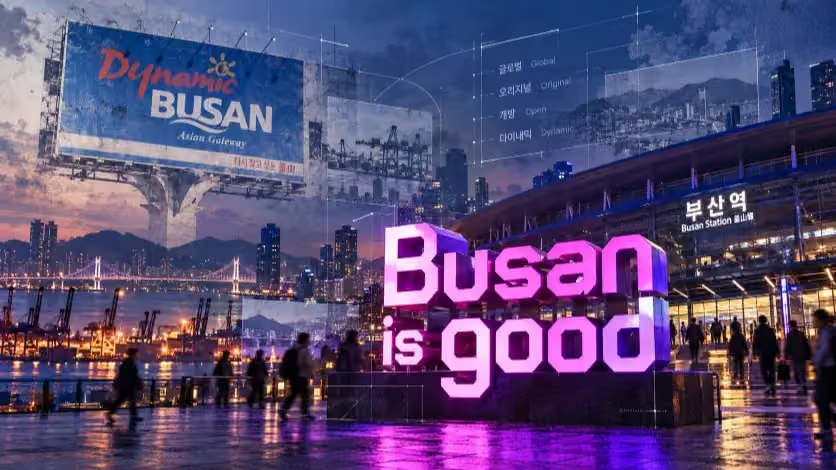
Why “Busan Is Good” Falls Short as a City Brand
 NewsSep 18, 2026
The Other AI Race Is for the Freedom to Change Course
Reader Signal
Community readWhat did this report leave you with?
Choose the signal that best reflects your reading. Select it again to remove it.
One response per article
No response selected
A moderated conversation about the reporting.
One-level replies and newsroom moderation keep the conversation anchored to this article.
Discussion Status
Open
Please sign in to join the discussion.
Newsletter
Weekly reporting and context from Busan and Korea.