Jagalchi Ajimae Market to Open in June, Bringing Street Vendors Indoors
Busan’s Jagalchi Ajimae Market is set to launch in June 2025, relocating over 200 street vendors into a new indoor seafood facility—modernizing infrastructure while preserving cultural heritage.

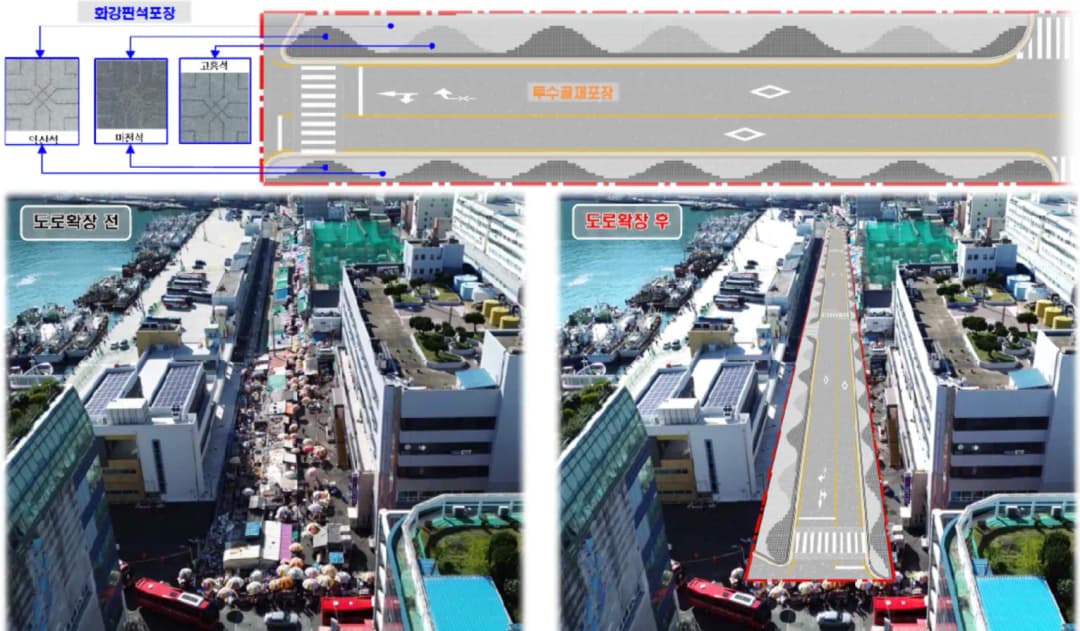
BUSAN, South Korea – A historic chapter is closing—and a new one is opening—in the story of Jagalchi, Busan’s iconic seaside market. In a bid to modernize the area and restore public roads long overtaken by street vendors, the city has announced that the long-planned “Jagalchi Ajimae Market” will officially open by the end of June 2025.
More than just a facility relocation, the move represents a delicate balance between tradition and transformation. For decades, the area around Jagalchi Market has been home to a bustling community of street vendors—many of them elderly women known locally as “Ajimae”—who built livelihoods selling fish and seafood in open-air stalls. Their presence gave the market its name, its grit, and its character. But with tourism rising and food safety regulations tightening, their informal presence also posed increasing challenges.
The new indoor facility, constructed over a decade with a ₩23.5 billion investment, offers 220 dedicated stalls within two three-story buildings. Each unit will be allocated to selected vendors through a public lottery system, taking place April 16–18, from among 216 pre-approved street vendors. Vendors interested in participating must submit their applications between April 7 and 11. The draw will determine not only who gets in, but also the placement of their stalls inside the market.
An information session on March 31 will explain the process in detail, including usage fees, contract terms, and interior renovation guidelines. City officials say the new market will strengthen food hygiene controls, improve public safety, and offer vendors a more stable working environment—especially crucial as many of them are aging.
Yet this transformation is not happening in isolation. To complement the indoor transition, a ₩36 billion road expansion project is being conducted by Jung-gu District Office to recover 323 meters of road that had been illegally occupied for decades. The project, now in its final design phase, is expected to restore both traffic efficiency and urban aesthetics in the surrounding area.
The city hopes this dual approach—market modernization and road restoration—will breathe new life into a critical tourism and economic district that has often struggled with congestion and environmental complaints. Busan Facilities Corporation will oversee operations, having already reorganized staff to manage both the new Ajimae Market and the neighboring Jagalchi Modernized Market under one system.
But while city leaders frame the initiative as a win for modernization and competitiveness, questions remain about the social and cultural implications. Will the indoor space replicate the spontaneous charm and human interaction of the old streetside stalls? How will vendors—many of whom have worked without formal leases or business licenses—adapt to structured retail environments with rent and overhead costs? Will the move risk sanitizing a cultural space beloved for its authenticity?
Officials insist they are listening. “Jagalchi is not just a market—it’s the symbol of Busan,” said Mayor Park Heong-joon. “We’re committed to improving the area’s infrastructure while supporting vendors, preserving history, and creating a space that residents and tourists can enjoy together.”
Historically, Jagalchi Market has represented the resilience of Busan. After the Korean War, women who had lost their husbands or homes began selling seafood here to survive. Their spirit shaped the identity of a city recovering from devastation. That spirit still resonates today, in the smell of fresh mackerel, the call of vendors, and the sound of fish being cleaned on wooden blocks.
The new market may bring walls and roofs—but its true success will depend on whether it can carry forward the stories, the people, and the culture that have defined Jagalchi for generations.
With construction nearing completion and vendor preparations underway, the next chapter of Jagalchi Market is about to begin—not just as a retail space, but as a test of how cities can modernize without erasing the past.
Continue this reporting
Reporting on the same issue
Related coverage selected from the article's desk, topics and newsroom relationships.
 NewsOct 16, 2026
What Is Still Worth Going to See?
Busan’s biennale faces questions of artistic judgment and institutional care....
 NewsOct 14, 2026
What Became of Busan’s University Streets?
From 2015 to 2023, registered businesses grew near Pusan National University...
 NewsOct 12, 2026
Bukangi, the Shark That Stayed in Busan’s North Port
A rescue net guided Bukangi toward the sea, but the dusky shark returned to B...
More from the author
More from this byline
Stay with the same line of reporting through more work from this byline.
 NewsOct 9, 2026
Why “Busan Is Good” Falls Short as a City Brand
 NewsSep 18, 2026
The Other AI Race Is for the Freedom to Change Course
Reader Signal
Community readWhat did this report leave you with?
Choose the signal that best reflects your reading. Select it again to remove it.
One response per article
No response selected
A moderated conversation about the reporting.
One-level replies and newsroom moderation keep the conversation anchored to this article.
Discussion Status
Open
Please sign in to join the discussion.
Newsletter
Weekly reporting and context from Busan and Korea.