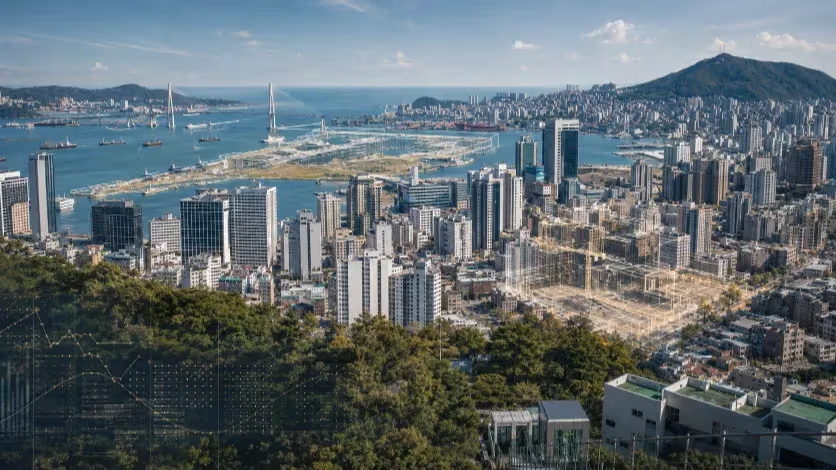
The Long-Term Bill Behind Busan’s Public Projects
Busan’s public projects carry costs long after construction, from widening facility shortfalls to operator transitions at North Port and financing risks at Beomcheon
Discover the latest news from Busan, covering local events, economy, politics, and culture. Stay informed with Breeze in Busan.
Busan’s public projects carry costs long after construction, from widening facility shortfalls to operator transitions at North Port and financing risks at Beomcheon

Only about 7 per cent of Seoul homes were within reach of a median-income family in 2025. The tax plan may change which owners sell and how much they pay, while access to the capital continues to depend heavily on wealth accumulated before the purchase.

Busan funded 122 university projects in the first year of RISE. With Pukyong National University receiving the only top rating, the next budget will show whether evaluation can change how the money is distributed.

Busan’s apartment-led growth delivered housing and urban renewal at extraordinary scale. The next test is whether the city can maintain the coast, neighborhoods, infrastructure, and high-rises that development left behind.
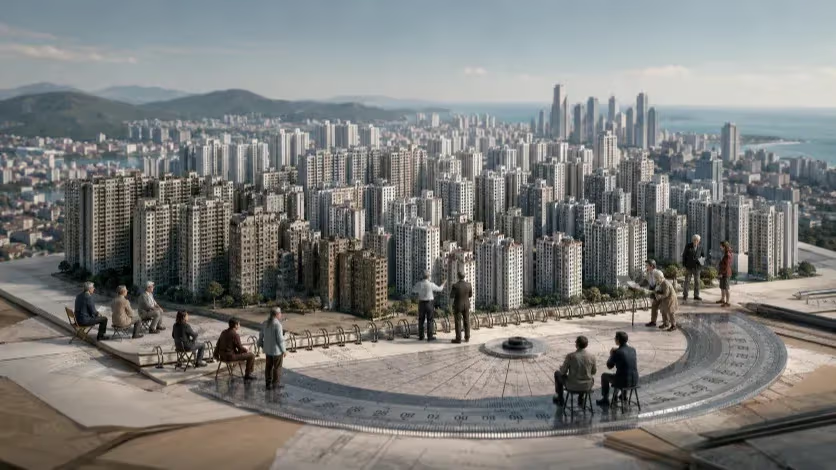
Busan’s Haeundae renewal plan could replace ageing apartments with more than 13,000 additional homes. It also shows how property value can shorten the life of usable housing while weaker districts wait longer for essential improvement.

Mortgage restrictions can reduce bank lending without removing the money supporting expensive homes. Property gains, jeonse deposits, family capital, public guarantees and private credit increasingly determine who can still buy—and where the risk ultimately resides.
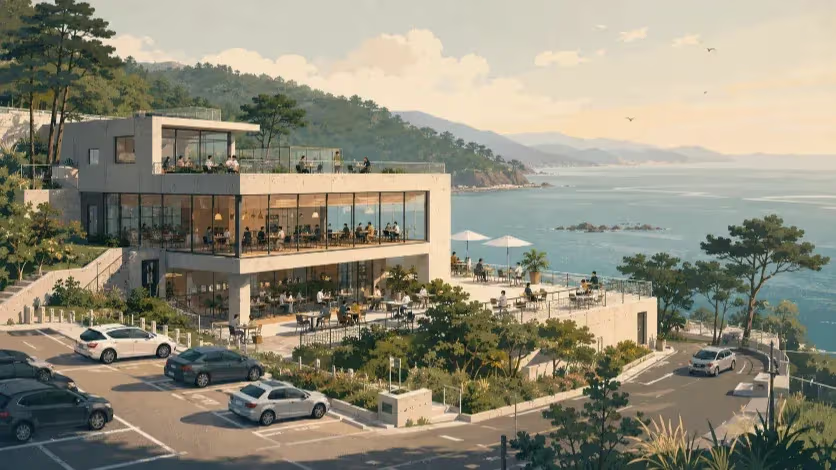
Busan proved that people would travel for a new kind of cafe. As the market contracts and sales concentrate among fewer operators, the harder test is whether destination cafes can survive after the view, the building and the bakery are no longer new.

South Korea is earning extraordinary income from the hardware behind the AI boom. Following the money through corporate profits, household portfolios, property, debt and the workplace reveals why that success has yet to produce broad-based prosperity.
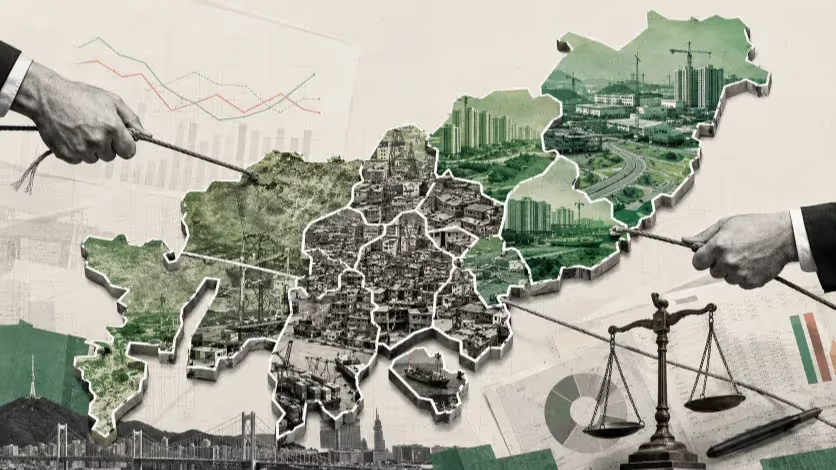
Busan’s population and living zones have moved far beyond the district map completed in 1995, reopening questions over old-core mergers, local finance and stronger administration within its growth districts.

Nvidia needs more than chips and data centres to make physical AI work. Korea’s factories offer the industrial data, machinery and engineering needed to close the gap between simulation and reality—but the long-term value will depend on who controls the models and software built there.
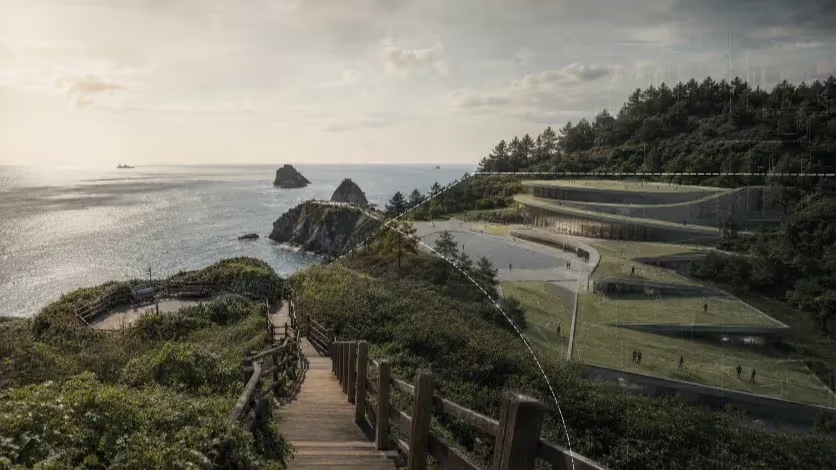
Busan protected Igidae from fragmented development, then chose it for a Centre Pompidou outpost before settling the project’s access, financing and long-term cultural value.
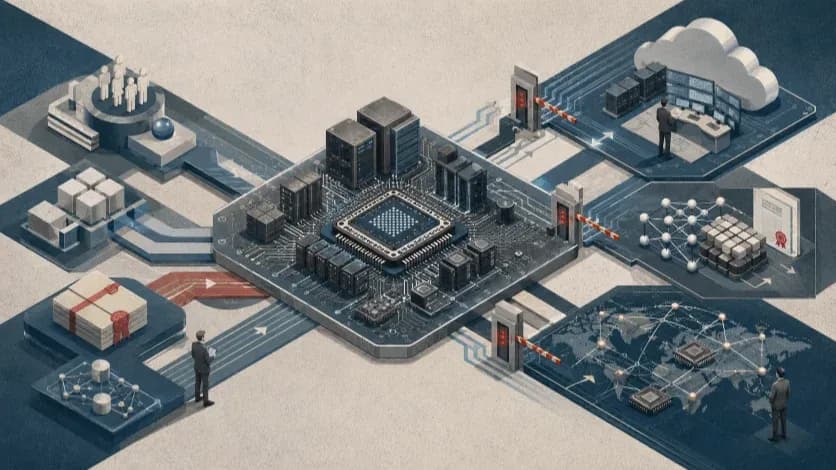
Korea’s AI strategy is publicly financed but largely operated through private companies and foreign technology. The decisive issue is what authority remains with the public after the money is spent.
Search within Next Sohee Exposes Labor Exploitation And Emotional Stress In The Korean Workplace or the wider site.