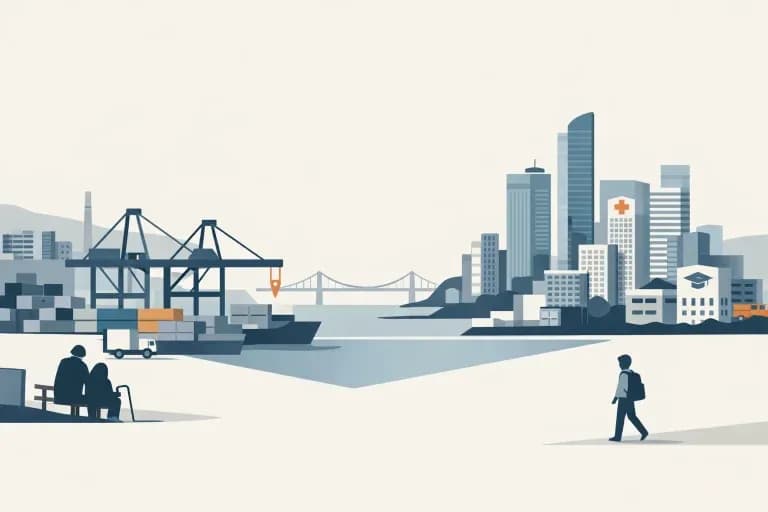
The End of Expansion as Busan Becomes a Shrinking Port City
Busan’s shift from growth to shrinkage exposed a planning system unable to adapt to demographic and industrial decline.
Discover the latest news from Busan, covering local events, economy, politics, and culture. Stay informed with Breeze in Busan.
Busan’s shift from growth to shrinkage exposed a planning system unable to adapt to demographic and industrial decline.

Redevelopment reshaped the city, but industrial substitution never arrived. The next decade will test whether maritime innovation and physical AI can anchor a second industrial turn.
Generative AI has standardized language and accelerated communication. Poetry and difficult texts have returned as tools for reclaiming interiority and thought.

The United States built a security state to control immigration and identity. Nordic democracies built welfare states to distribute risk. Greenland’s decision between them signals the rise of model competition in the 21st century.
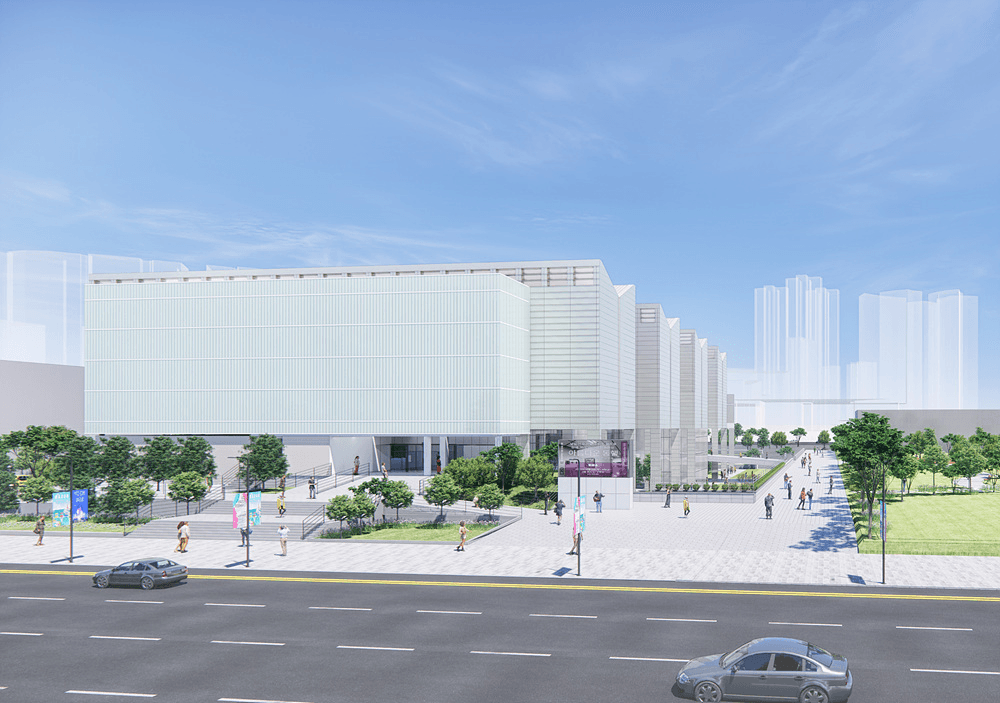
Closed since late 2024, the Busan Museum of Art will return amid rising competition from public and private venues, with plans that test how a municipal museum defines its public role in a changing art ecosystem.
The postwar order was built on a simple expectation: force would wait for law. In 2026, that expectation no longer holds.
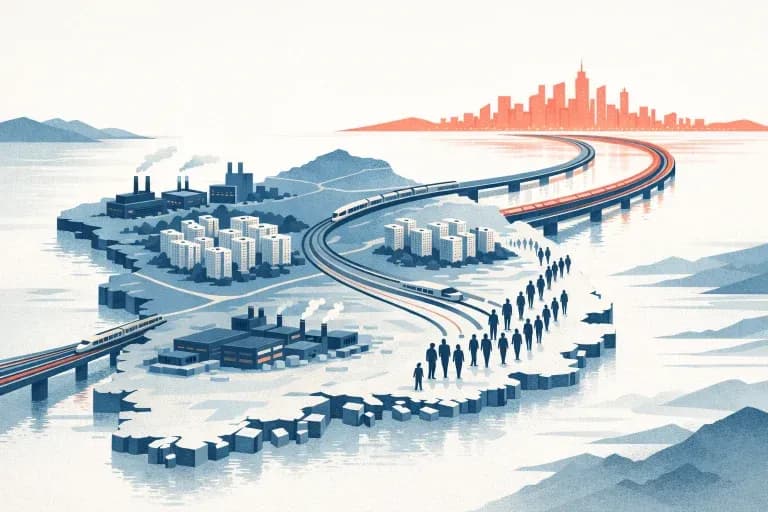
Support for a Busan–South Gyeongsang administrative merger has risen sharply ahead of local elections. Evidence across housing, industry, and mobility suggests consolidation alone may not resolve the region’s underlying economic and demographic pressures.
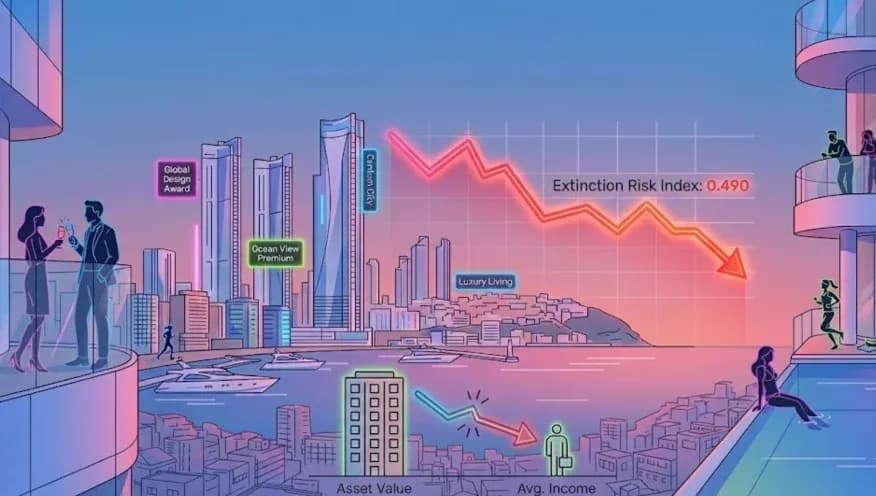
Housing prices in Busan have stabilized in select districts, even as the population and income base required to sustain urban life continues to erode.
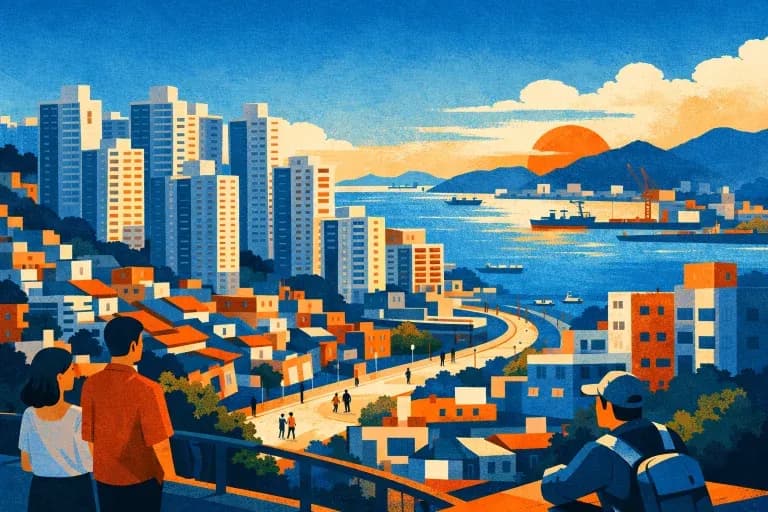
Busan appears to be recovering as visitor numbers and participation metrics rise. Beneath these indicators, however, the city’s capacity to retain workers, sustain stable employment, and function as a metropolitan center continues to erode.
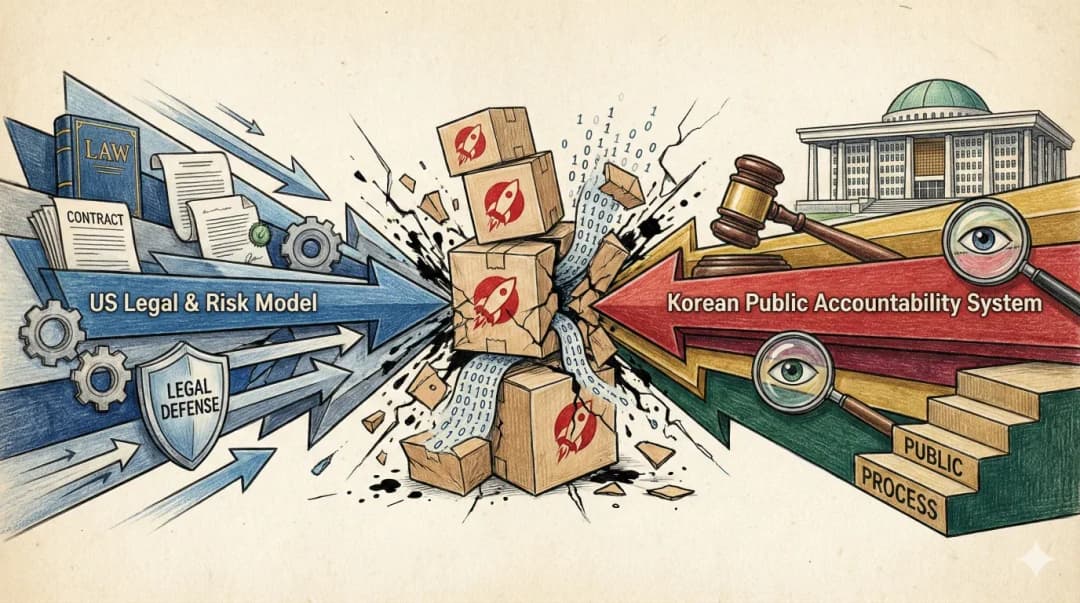
The controversy surrounding Coupang’s data breach highlights how crisis responses designed to limit legal risk can generate broader regulatory and political consequences when public process is sidelined.
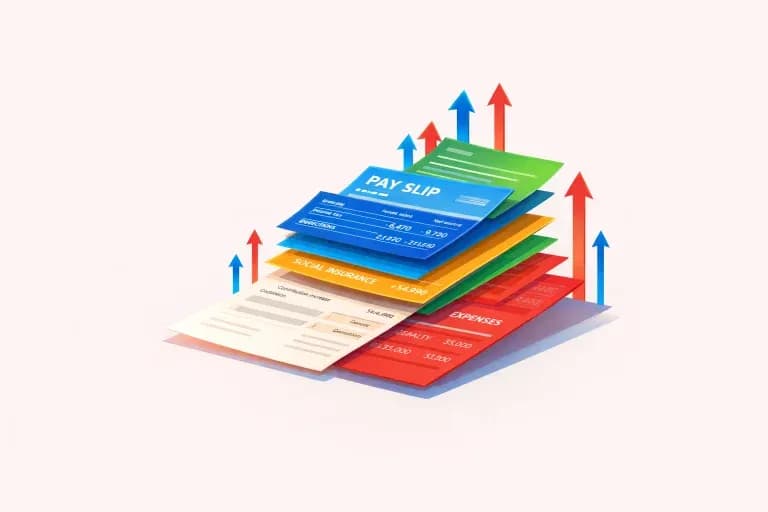
With multiple policies entering force simultaneously in 2026, the economic impact hinges less on individual reforms than on how wages, prices and compliance costs interact in everyday accounting.
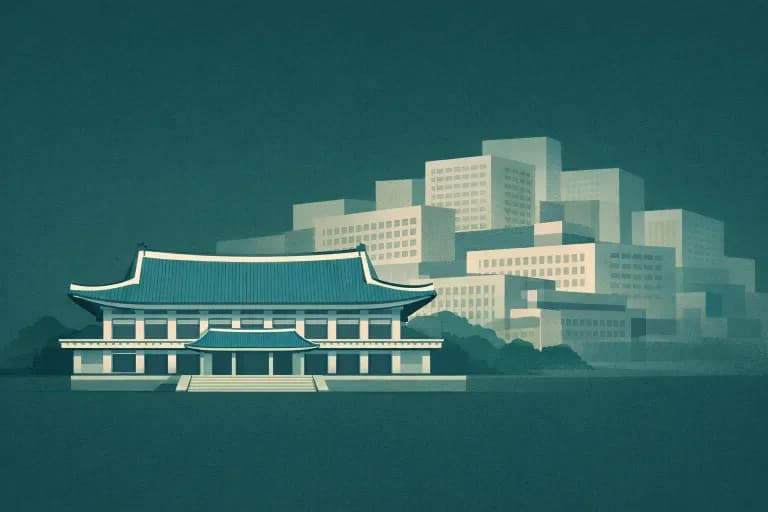
South Korea’s presidential office returns to Cheong Wa Dae after the Yongsan experiment, reopening questions over the administrative capital.
Search within Next Sohee Exposes Labor Exploitation And Emotional Stress In The Korean Workplace or the wider site.