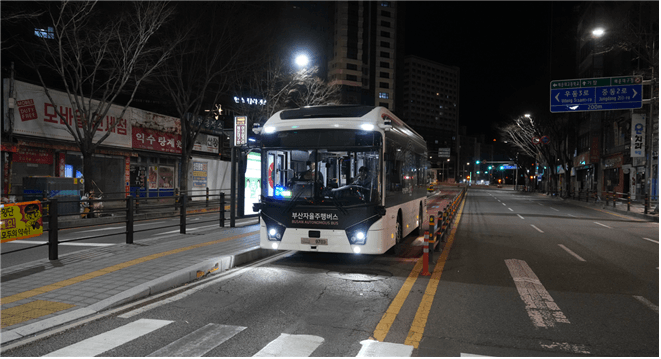
How Autonomous BRT Is Redefining Accessibility in Busan
A late-night autonomous BRT service in Busan highlights a broader shift in urban mobility: from extending networks to sustaining everyday access in aging, post-industrial cities.
Discover the latest news from Busan, covering local events, economy, politics, and culture. Stay informed with Breeze in Busan.
A late-night autonomous BRT service in Busan highlights a broader shift in urban mobility: from extending networks to sustaining everyday access in aging, post-industrial cities.
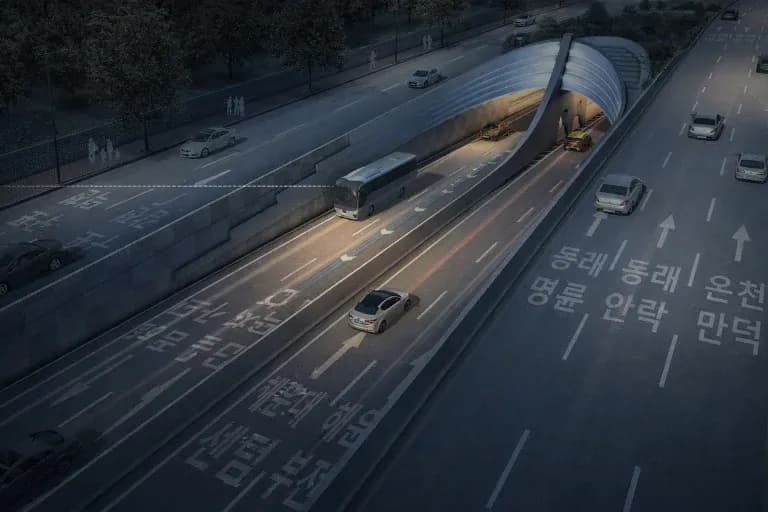
Busan’s future will be determined not by how quickly vehicles cross the city, but by whether urban policy allows life to take root where the roads no longer stop.
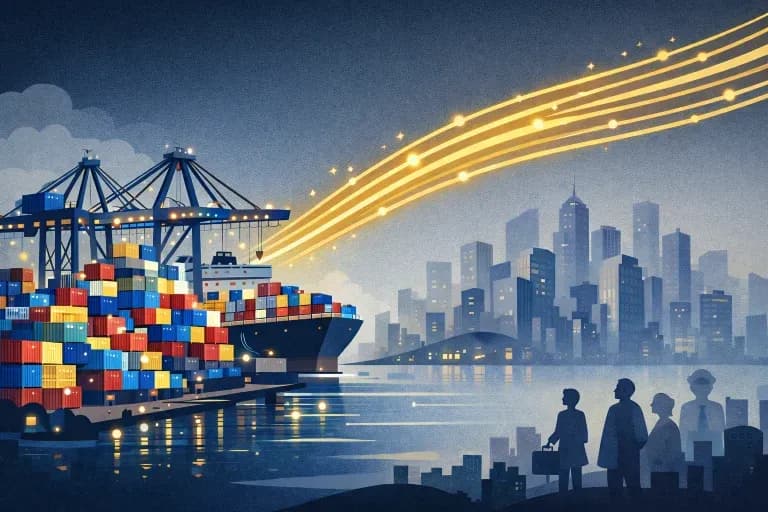
Busan’s port thrives, but modern maritime value is captured elsewhere — and without command functions, logistics cannot sustain a city.

When functional competence becomes abundant, markets reprice labor around the scarce ability to bear risk, authorize outcomes, and justify decisions. In the AI economy, the bottleneck is not production but approval.
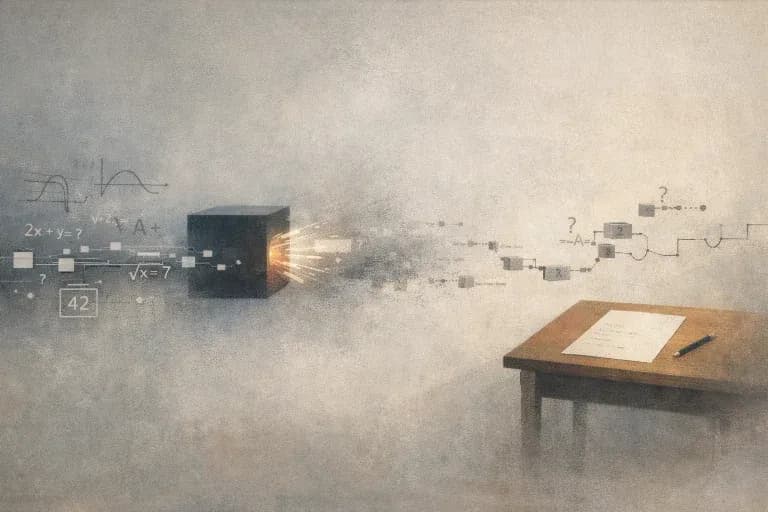
Generative AI has entered students’ daily routines, but exams, curricula, and national policy remain anchored in pre-AI assumptions.

Postwar stability functioned as an insurance system financed by the United States and anchored by its industrial base.
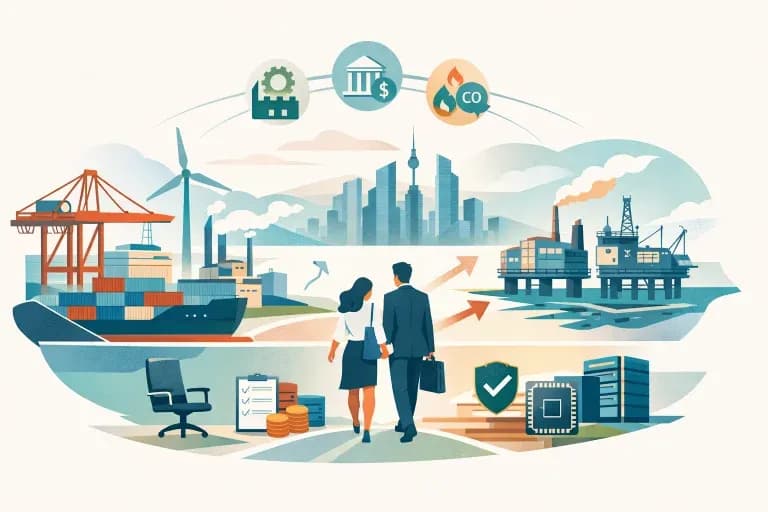
For two decades Busan tried to swap factories for festivals, betting on film, cruises and MICE to replace heavy industry. The city gained visitors and visibility but not headquarters, research jobs or reasons for young people to stay. It became more famous, but less viable.
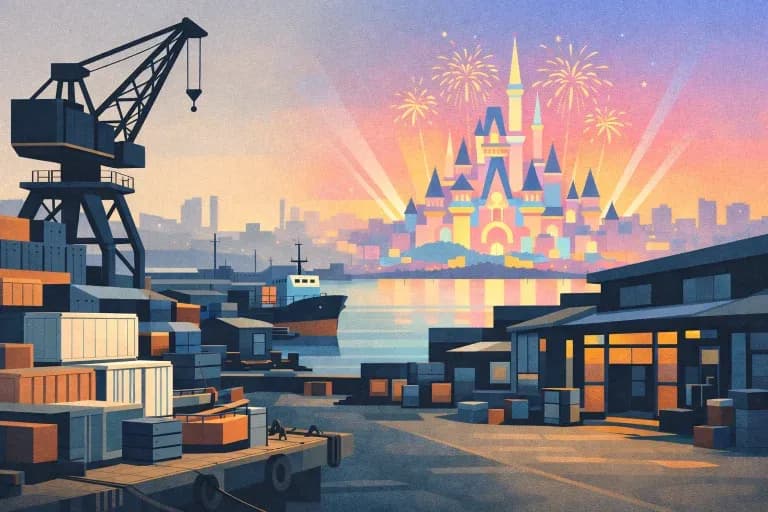
Dadaepo’s decline is rooted in the deterioration of fisheries, cold-chain logistics, and small maritime manufacturers. A theme park cannot replace the industrial ecosystem required to retain youth and stabilize neighborhoods.
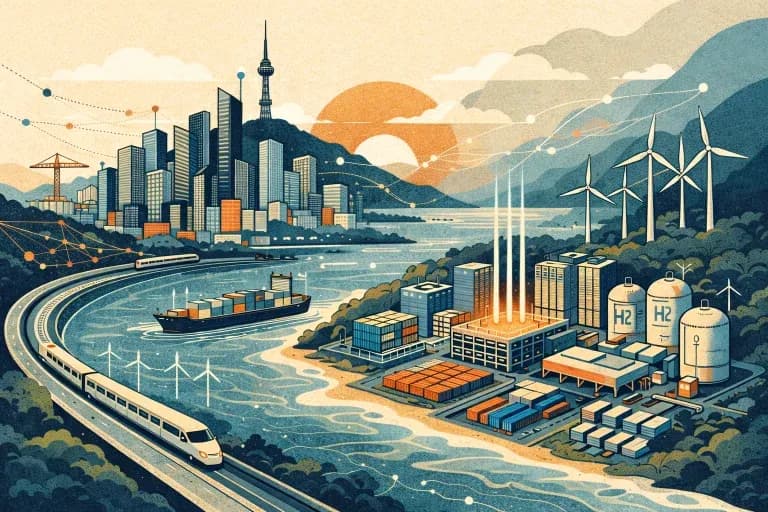
Semiconductors, AI and renewables require a second node beyond Seoul. Administrative integration—not subsidies—will determine whether provinces decline or form a new industrial belt.

Selection pressure in algorithmic environments resembles evolutionary dynamics more than cultural discourse.

The world bought Korean chips and U.S. T-bills. Export earnings lifted equities, dollar yields lifted portfolios, and the won traded as risk. The semiconductor boom created corporate value, not currency demand.
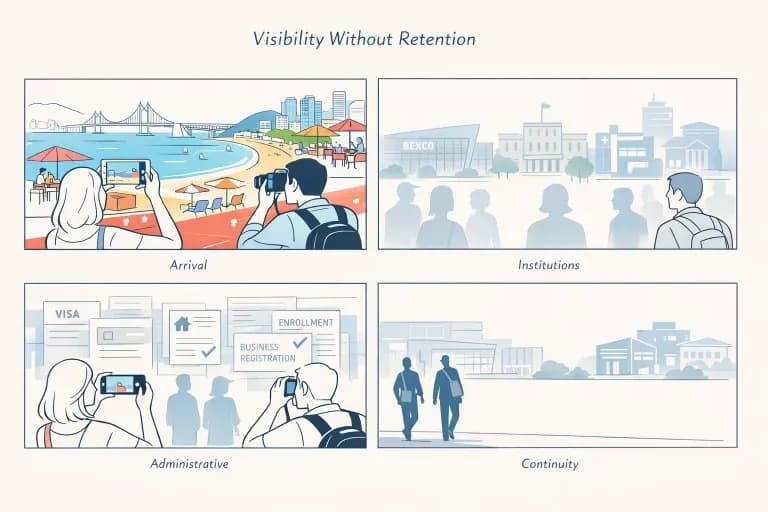
Busan’s international content targets visitors rather than residents, investors, researchers, or entrepreneurs, limiting the city’s long-term international capacity.
Search within Next Sohee Exposes Labor Exploitation And Emotional Stress In The Korean Workplace or the wider site.