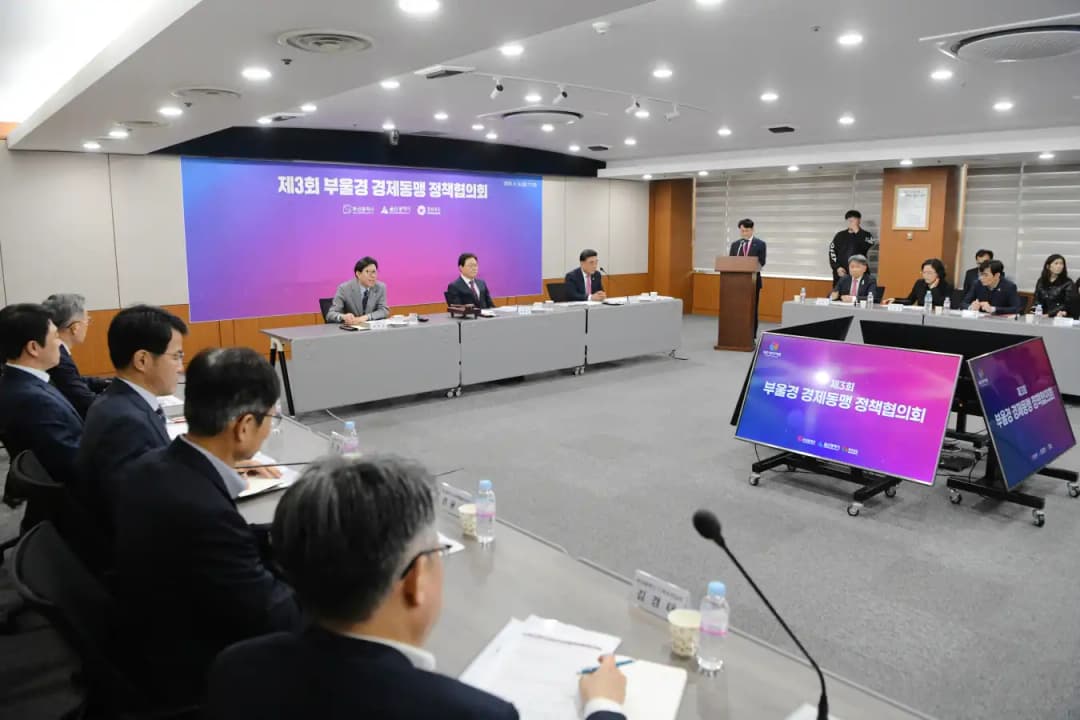
Why the BUG Alliance Still Lacks a Future
Without shared vision, joint governance, or coordinated economic policy, the Busan–Ulsan–Gyeongnam bloc risks becoming a symbol of what regionalism should avoid: scale without strategy.
Discover the latest news from Busan, covering local events, economy, politics, and culture. Stay informed with Breeze in Busan.
Without shared vision, joint governance, or coordinated economic policy, the Busan–Ulsan–Gyeongnam bloc risks becoming a symbol of what regionalism should avoid: scale without strategy.
Busan has rebranded itself as a global, good-looking city—complete with AI-generated images, sleek slogans, and media-friendly urban design. But behind the aesthetics lies a growing silence. In its pursuit of visibility, is the city losing its voice?
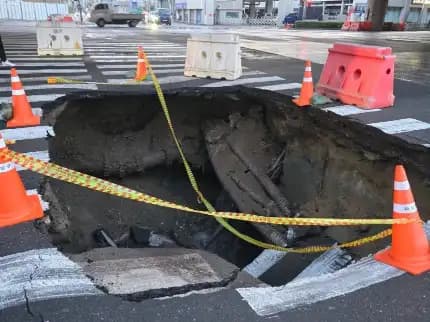
A growing number of sinkholes near the Hadan–Sasang subway construction site are raising concerns about Busan’s broader underground transit strategy. As new projects like the Hadan–Noksan line and BuTX move forward, questions mount.

A five-part inquiry into the fate of human reflection in a world designed for speed, prediction, and interruption.
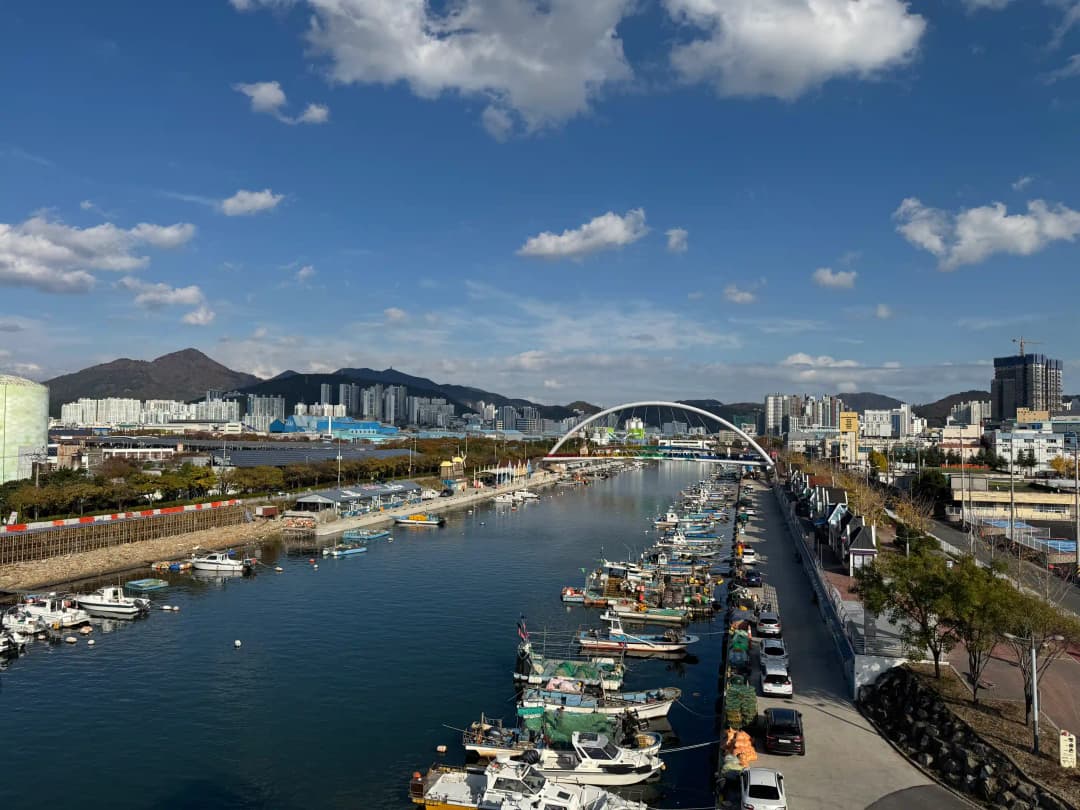
In its rush to modernize, Busan has developed a habit of building not toward its past, but around it. From Haeundae in the 1990s to Gangseo today, the city has preferred expansion over reinvestment—choosing new land over old neighborhoods, and visibility over inclusion.

South Korea has one of the highest alcohol consumption rates in Asia, but its drinking problem doesn’t look like chaos—it looks like composure. Soju, once a communal spirit, has evolved into a quiet, everyday anesthetic, deeply woven into food, media, and workplace culture.
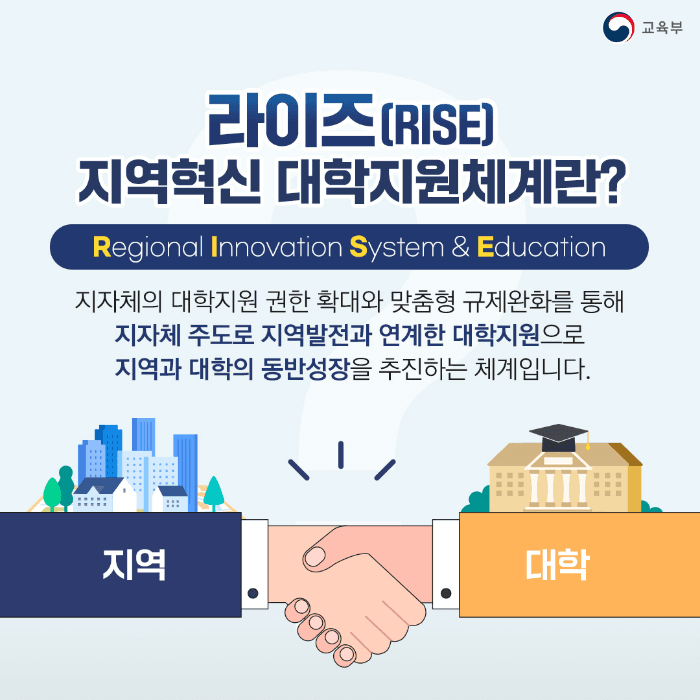
Busan’s RISE program ambitiously seeks to revitalize regional universities, but with 20 institutions and 122 projects under one banner, the initiative risks scattering limited resources across a fragmented landscape.
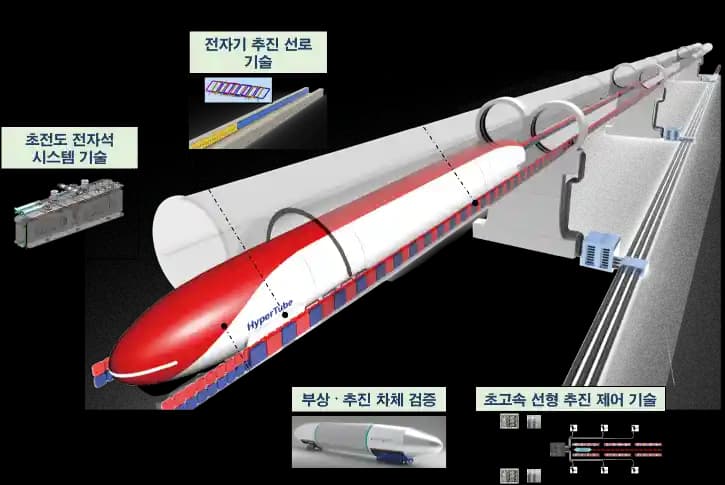
South Korea’s plan to shrink the country with a 1,200 km/h train promises speed, sustainability, and regional revival. But if history is any guide, faster trains may only bring faster inequality.

Once a global benchmark of narrative innovation, American TV drama is now trapped in a loop of overextended seasons, formulaic conflict, and emotional shortcuts. The solution? Less spectacle, more sincerity.

Across democracies, far-right movements are gaining ground — not despite economic dislocation and inequality, but because of them. As liberal institutions fail to offer emotional resonance and material security, the vacuum is filled by nativist myths and authoritarian certainty.
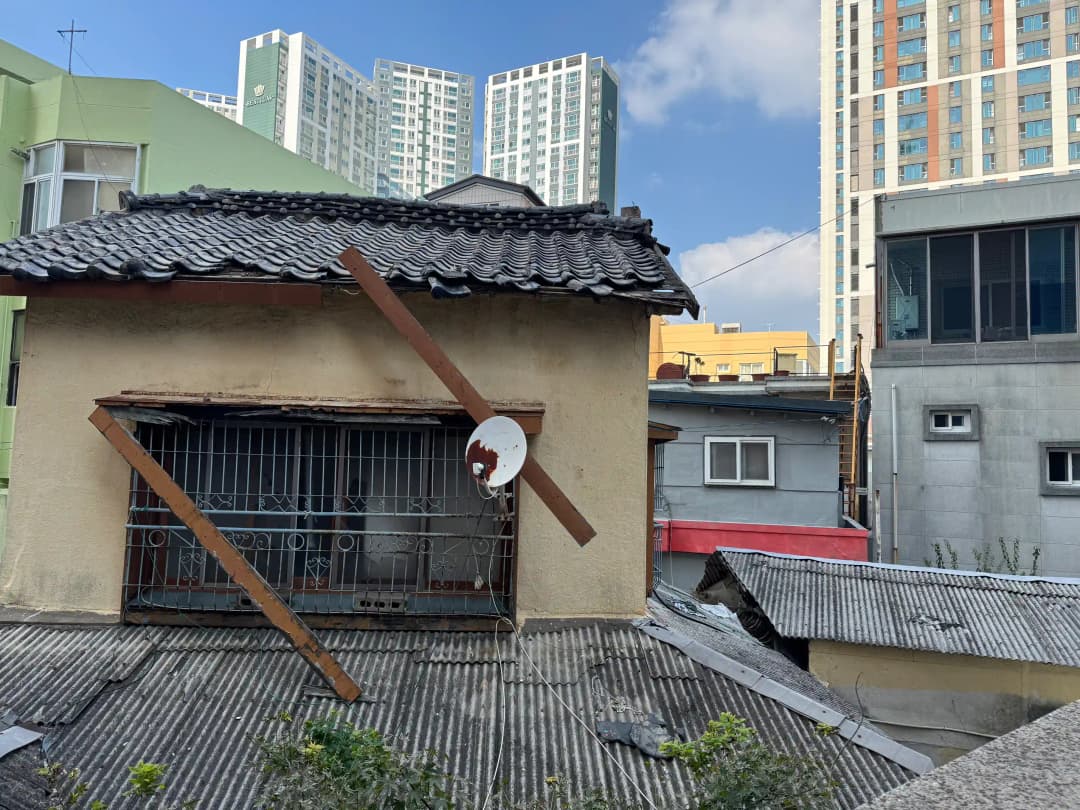
Despite millions in revitalization funds, Busan’s neighborhood markets continue to empty out. A deeper structural crisis—marked by aging districts, hollow high-rises, and disconnected urban planning—demands a shift from short-term fixes to long-term ecosystem design.
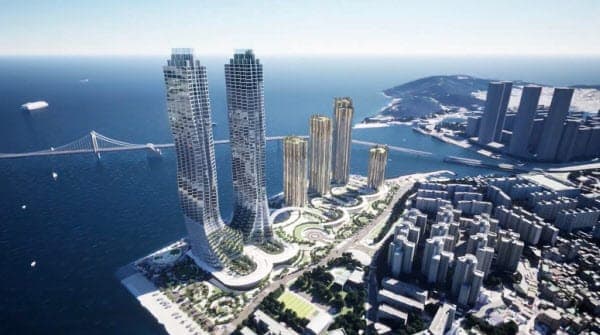
Busan’s Special Architectural Zones promise innovation, but deliver exclusion. The recent rejection of a 99-story redevelopment reveals the limits of spectacle-driven planning in a city facing depopulation and inequality.
Search within Lets Go Busan Sports Portal Launch Enhances Access To Local Facilities or the wider site.