
How Trump’s Insurrection Act Gambit Redefines U.S. Democracy and Federal Power
The Trump administration’s use of the Insurrection Act and National Guard reveals a deeper constitutional shift—how law itself becomes a tool of control.
Discover the latest news from Busan, covering local events, economy, politics, and culture. Stay informed with Breeze in Busan.
The Trump administration’s use of the Insurrection Act and National Guard reveals a deeper constitutional shift—how law itself becomes a tool of control.

Across South Korea’s southern coast, thousands of political banners drape the city of Busan. What began as expression has turned into pollution — and a test of how democracy occupies public space.

South Korea’s digital ambitions are growing faster than its power grid. As global capital pivots toward energy infrastructure, Busan stands at the intersection of innovation and inertia — a city with the assets to lead, but still searching for the power to sustain its future.
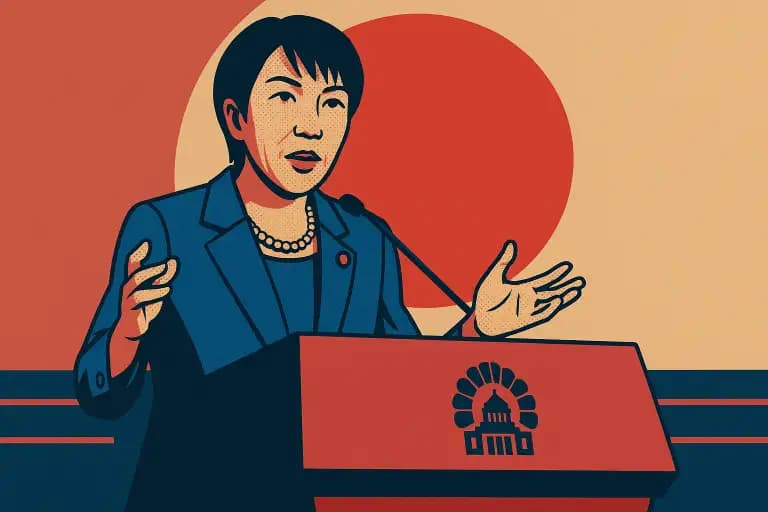
As Japan’s conservatism turns inward and South Korea’s diplomacy grows more self-aware, East Asia enters a fragile era where stability is measured not by peace, but by control.

With one-person households rising above 36 percent, the country’s most traditional holiday is adapting to a quieter, individual rhythm.

Rising market prices have not translated into higher farm incomes. With fertiliser and labour costs outpacing gains, farmers remain on the brink. Treating rice only as a consumer story risks undermining the very sector that ensures food security.
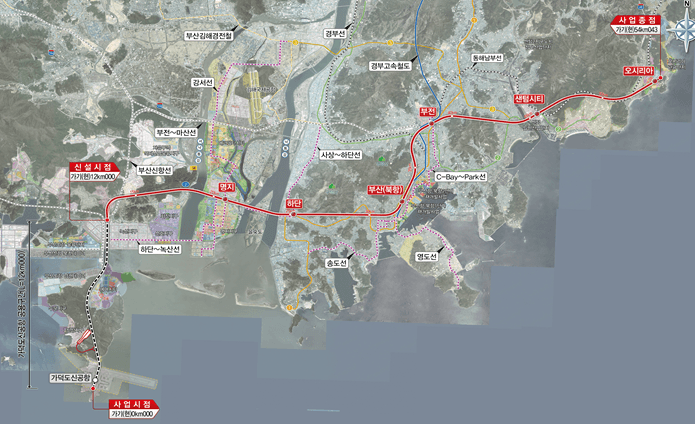
Busan’s ₩4.8 trillion BuTX project promises a transport revolution, but untested hydrogen rail, fragile finances, and geology raise doubts.

Korea’s public sector still relies on exam-based elitism to recruit judges, prosecutors, and officials. Reform is needed for democracy and the AI era.

Only a third of Busan is flat land. Mountains split districts, rivers divide east and west. Within these limits, transit always trails growth — and decline moves faster than rails.

Tighter jeonse loans and elevated rates expose Busan’s housing fragility. Monthly rent now dominates, revealing structural inequality versus Seoul.
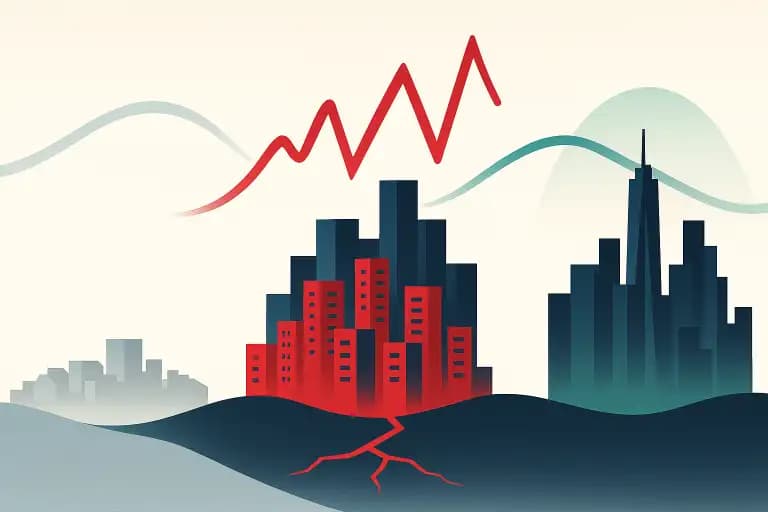
Korea’s households carry one of the heaviest debt loads in the OECD, with most mortgages tied to floating rates. That fragility makes the economy hypersensitive to policy shifts and sustains property speculation even as consumption weakens and provincial vacancies mount.

Korean students read Hangul with ease yet struggle with meaning. COVID widened gaps, but systemic flaws now drive a lasting literacy crisis.
Search within Lets Go Busan Sports Portal Launch Enhances Access To Local Facilities or the wider site.