
Branding Won’t Save Busan
Busan’s tourism corridors stay full, yet the city continues to lose its young. Behind the bright surface lie weakened industries, vanished headquarters, and a labour market no branding campaign can repair.
Discover the latest news from Busan, covering local events, economy, politics, and culture. Stay informed with Breeze in Busan.
Busan’s tourism corridors stay full, yet the city continues to lose its young. Behind the bright surface lie weakened industries, vanished headquarters, and a labour market no branding campaign can repair.

South Korea’s Nuri rocket completed its fourth flight with a clean night launch, placing 13 satellites into orbit and supplying new data for the country’s reorganized space program.
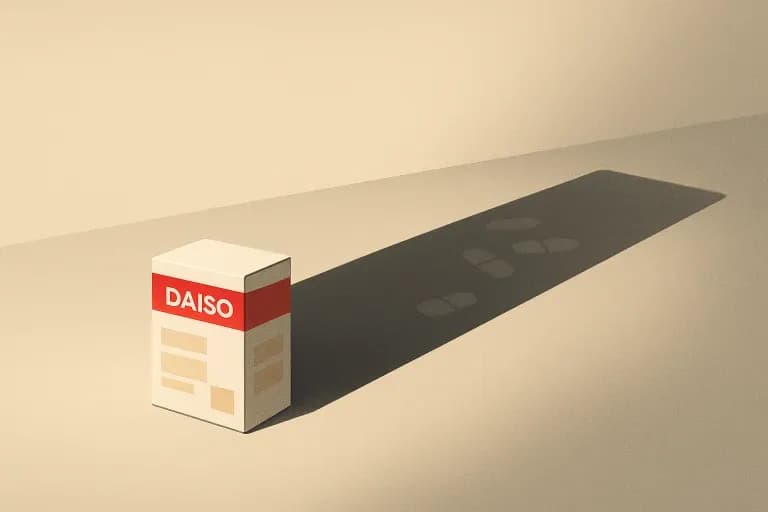
Daiso was credited with democratizing supplements by dropping prices to pocket-change levels. But a closer look at dosage, duration, and unit cost reveals a different picture—a market rebuilt on micro-doses, impulse purchases, and the illusion of cheap health.
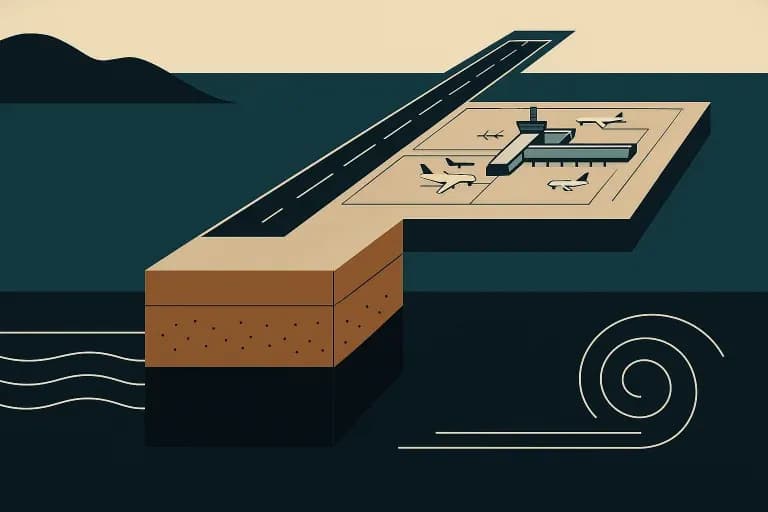
Weak soils, deep water and coastal storms continue to complicate Gadeokdo Airport’s development, raising long-term engineering and financial questions for South Korea.

Suyeong Bay’s long journey from civic maritime district to high-rise enclave reveals how incremental decisions, not grand plans, are reshaping Busan’s urban economy.
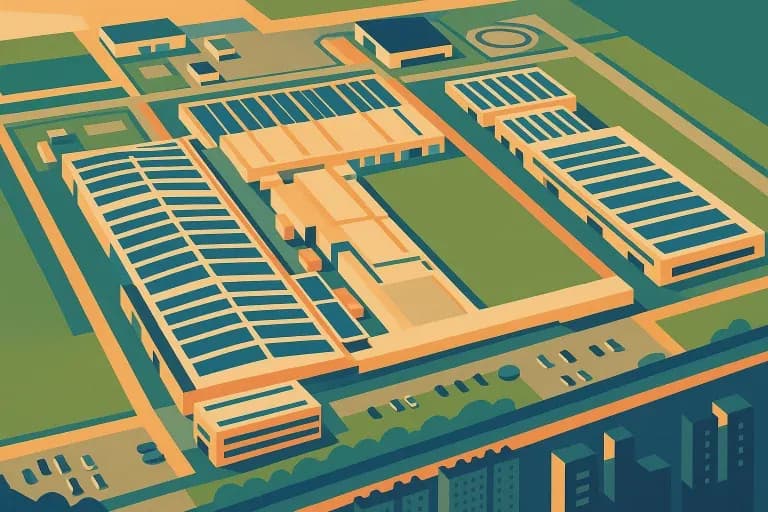
Polestar’s financial constraints, narrowing U.S. product lineup, and exposure to evolving policy regulations make Busan a necessary adjustment rather than an expansionary move.

AI is not merely accelerating learning; it is reshaping the ecology of cognition. And without a philosophical anchor, education risks surrendering the very capacities that make us human.

Busan presents a striking contradiction: a city saturated with innovation programs, workation zones and startup hubs, yet steadily losing the people and industries that once defined its strength. Its quiet unravelling reveals the deeper limits of South Korea’s activity-driven regional policy.

Despite producing thousands of engineering and science graduates each year, Busan struggles to retain them. Limited research positions, fragmented data systems, and thin institutional depth leave the city at a disadvantage as AI reshapes national competitiveness.

South Korea has declared an “Era of Regions,” unveiling a five-pole development blueprint meant to challenge the gravitational pull of Seoul. Yet the regions themselves remain constrained by a governance architecture designed for an earlier period of centralized industrialization.

Busan’s skyline soared upward while its public horizons quietly receded. Beaches, ridges, and memorial landscapes now stand at the edge of a slow transformation—one in which the view itself becomes a form of private ownership, and silence becomes the city’s most powerful development tool.

In a city losing both its young people and its industrial core, the revival of the remote-work storyline reads less like analysis and more like wishful thinking.
Search within Apt Rose And Bruno Mars Revive A Fading Korean Tradition or the wider site.