
Busan’s Quantum-Sensing Cluster Begins With Battery Inspection
Busan’s battery-sensing project shows what South Korea’s new quantum cluster must solve beyond the lab: machinery, shielding, software, calibration and industrial performance.
Busan news, in-depth reporting, and editorial insights covering the city’s politics, economy, development, institutions, and social change.
About this section
Coverage of Busan's politics, economy, civic institutions, and urban change, with local developments placed in their wider context.
Busan’s battery-sensing project shows what South Korea’s new quantum cluster must solve beyond the lab: machinery, shielding, software, calibration and industrial performance.

Busan’s aviation market is growing years before Gadeok is scheduled to open. The harder question is whether rail access, airline capacity, route economics and transfer traffic can turn a larger airport into a larger network.
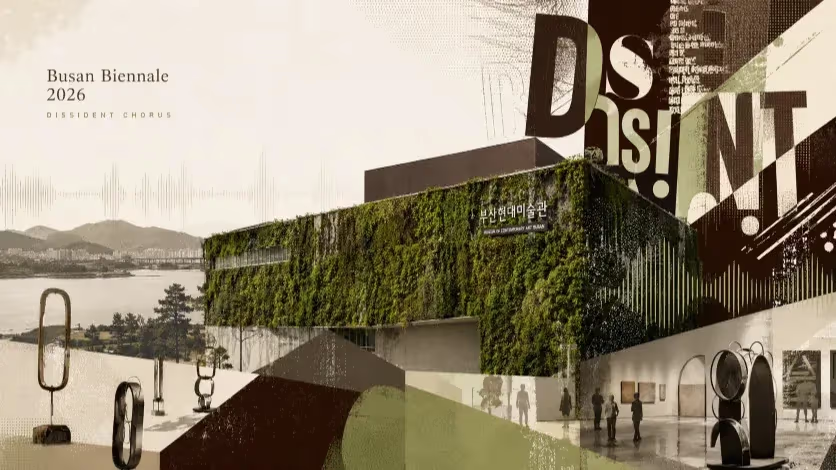
Busan Biennale 2026 opens with ‘Dissident Chorus,’ 46 artists and teams from 22 countries, and a deeper question shaped by 45 years of tension between local agency and international circulation.
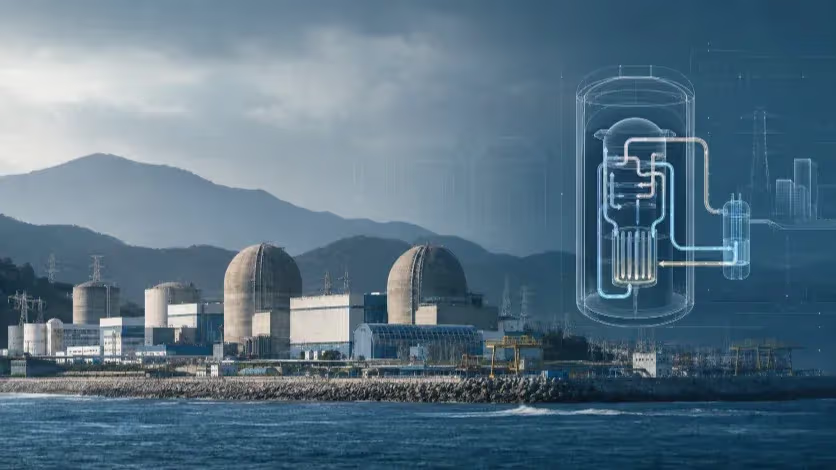
Korea’s i-SMR gives up some of the economies of scale that made conventional reactors large and tries to recover them through standardized manufacturing and repeated deployment. Gijang will be the first place where that proposition meets the real world.
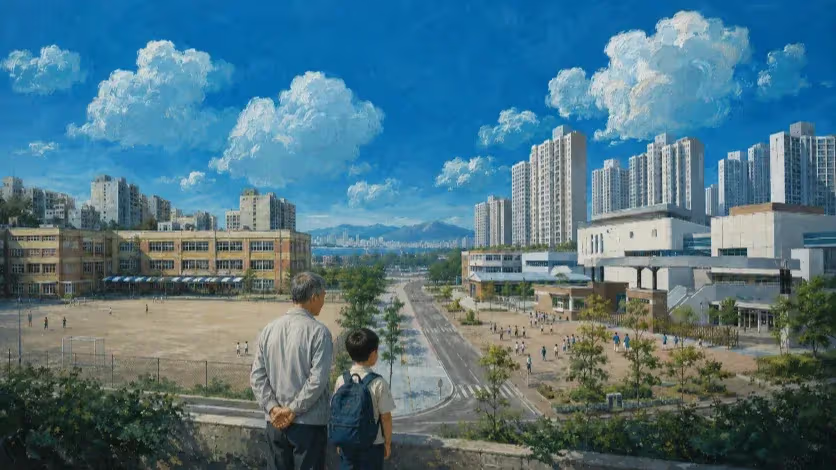
Busan is losing children overall, yet Eco Delta City is adding them fast enough to require new school capacity. Following where families moved — and what happened to the schools they left behind — reveals why a shrinking city can still face a rising infrastructure bill.

Busan’s 16 local governments operate under the same fiscal system, but they are paying for very different cities. Fiscal records and service data show how population decline, rapid growth, inherited infrastructure and earlier commitments narrow the choices left in the next budget.
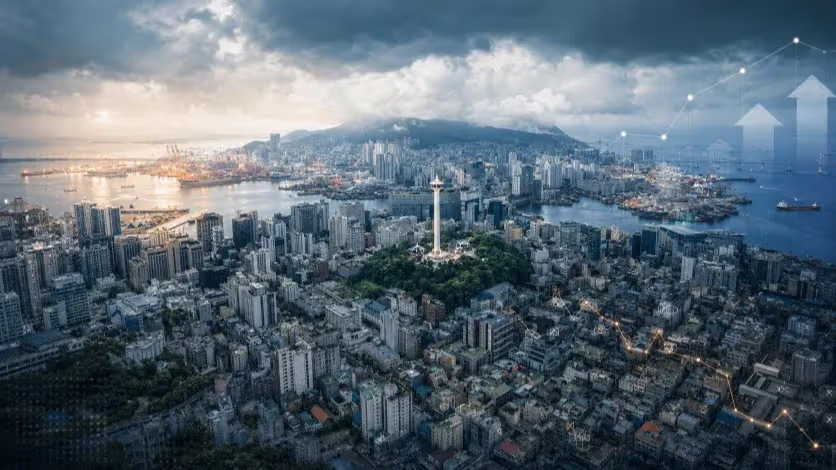
Busan’s factories, exporters and consumers are showing signs of recovery. Beneath those gains, fewer new businesses are entering the market, more established operators are leaving, and a shrinking, aging city is changing the commercial conditions confronting those that remain.
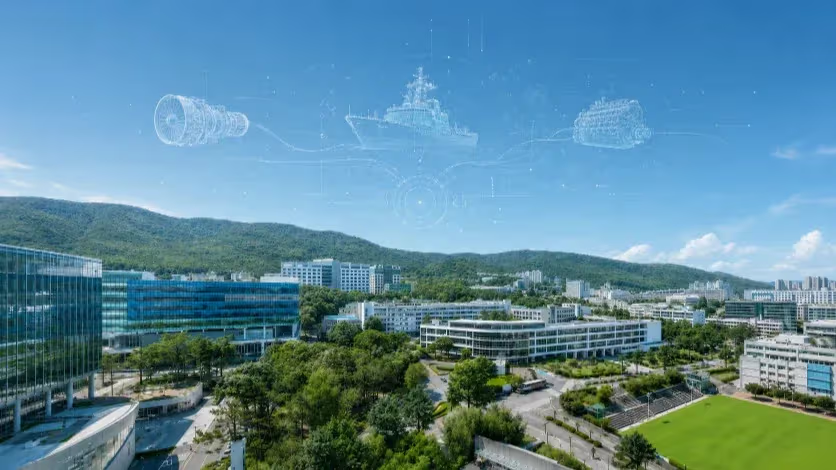
PNU and three Hanwha affiliates are planning an employment-linked undergraduate department. The larger change is not a new engineering curriculum, but a corporate relationship that would begin at admission rather than near graduation.

Busan has secured a path to 300MW of commercial electricity for a major Eco Delta City data-center project. Its physical scale is becoming clearer; the regional economic return is only beginning to be measurable.
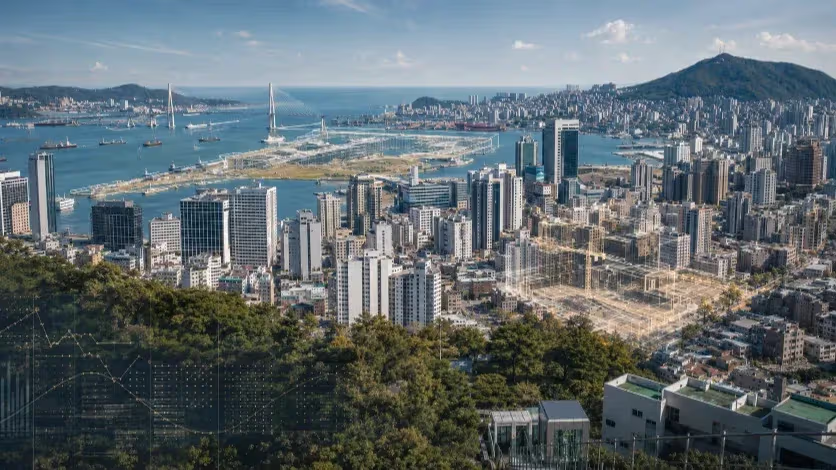
Busan’s public projects carry costs long after construction, from widening facility shortfalls to operator transitions at North Port and financing risks at Beomcheon

Busan funded 122 university projects in the first year of RISE. With Pukyong National University receiving the only top rating, the next budget will show whether evaluation can change how the money is distributed.
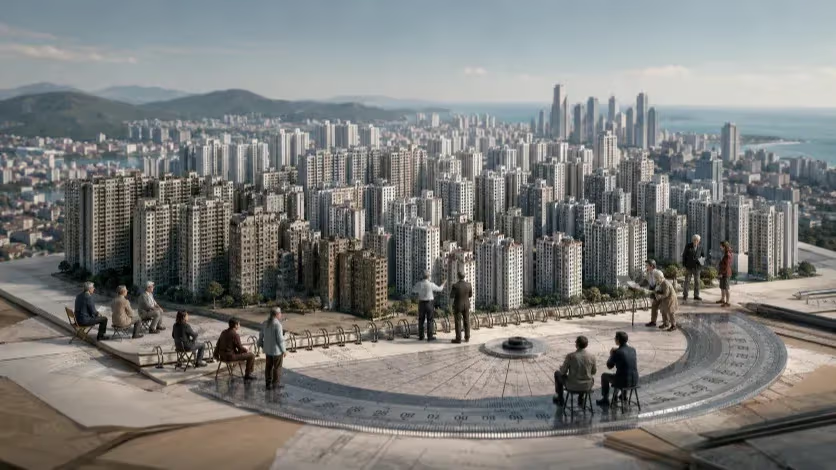
Busan’s Haeundae renewal plan could replace ageing apartments with more than 13,000 additional homes. It also shows how property value can shorten the life of usable housing while weaker districts wait longer for essential improvement.
Search within Busan or the wider site.