
KakaoTalk’s Reinvention Sparks a National Backlash
The redesign was meant to modernize KakaoTalk; instead it unsettled millions who had treated it as a fixed part of daily life.
Discover the latest news from Busan, covering local events, economy, politics, and culture. Stay informed with Breeze in Busan.
The redesign was meant to modernize KakaoTalk; instead it unsettled millions who had treated it as a fixed part of daily life.

In the West, Millennials born a decade apart share one category. In Korea, the same gap marks entirely different worlds — PC cafés versus smartphones, protest politics versus algorithmic feeds. Compressed modernization made adolescence, not age, the true fault line of generational identity.

The Sea Art Festival reopens at Dadaepo Beach with 38 artists from 17 countries, exploring ecology and memory along the Nakdonggang River estuary.

Planned for 2029, the Korea Exchange-backed school promises global finance training. Critics say it will reproduce privilege and feed elite universities instead.

The IMF’s 2025 Article IV consultation judged Korea’s short-term fiscal policy as appropriate and urged medium-term reforms. Yet one major newspaper reframed the report as a debt crisis warning, importing figures and thresholds the IMF never used.
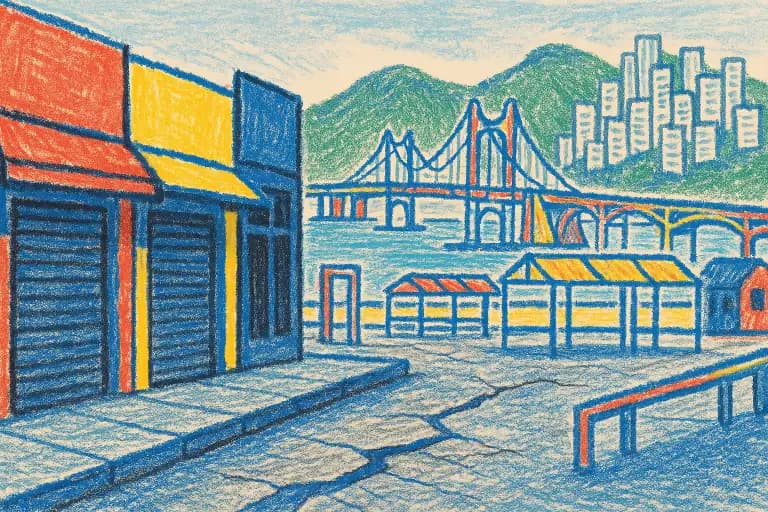
For Busan, the danger is systemic. A city with one of the highest self-employment rates in South Korea is watching its commercial backbone weaken simultaneously in old cores and new towns.
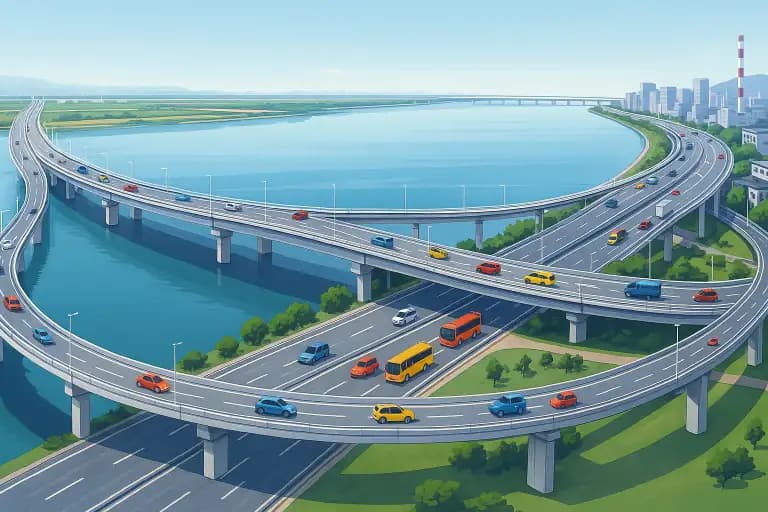
Seven toll roads shape daily life in Busan. New policies remove tolls during peak hours, offering relief to drivers while shifting costs to taxpayers and highlighting the city’s dependence on privatized infrastructure.

Across gaming chats, YouTube feeds, and political forums, humor and grievance merge into identity. A closer look at how technology, psychology, and culture intertwine to radicalize both the young and the old.
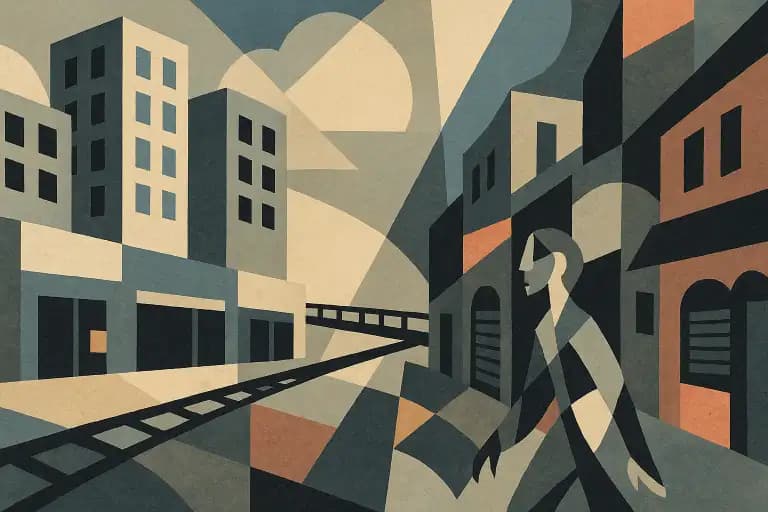
About one in four shops in Busan’s Myeongji International New Town stands empty, exposing flaws in urban planning beyond delayed transit.
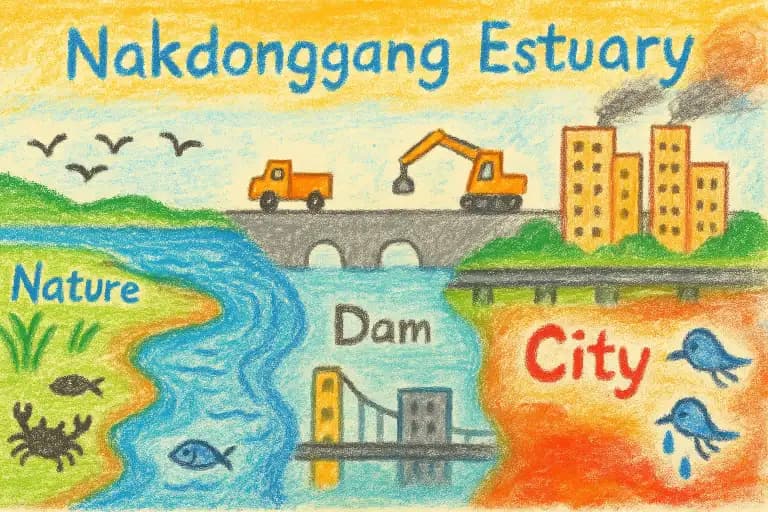
Busan’s Nakdonggang estuary has lost 60% of its wetlands to development. Can sustainability still guide the city’s future?

U.S. forces in Korea are not charity. The peninsula anchors Washington’s Indo-Pacific strategy as much as it safeguards Seoul. The alliance is reciprocal, not one-sided.
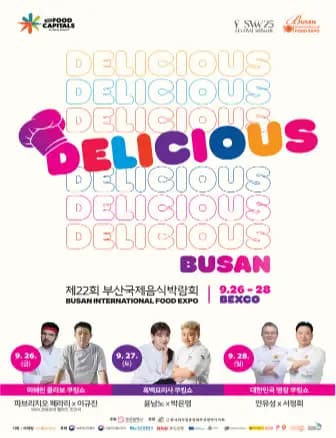
With 200 booths and nearly 500 chefs, the expo grows in scale but lowers its audience targets. The reliance on celebrity chefs and imported formats leaves Busan’s own seafood traditions and street food in the background.
Search within Next Sohee Exposes Labor Exploitation And Emotional Stress In The Korean Workplace or the wider site.