Skip to content
Topic Desk

Sustainability

Reporting on climate, energy, sustainability, environmental policy, and the transitions reshaping cities, industries, and societies.

BiB mark

Reporting and analysis from Breeze in Busan

Desk Focus

This desk follows climate risk, energy, resilience, environmental policy, and urban adaptation, with attention to how long-term transitions are reshaping Busan and Korea.

Paths to a Green and Smart Future for Korean Cities
SustainabilityMar 13, 2023

Paths to a Green and Smart Future for Korean Cities

As the world's population continues to grow and urbanize, cities face increasing pressure to become more sustainable, efficient, and livable. Two concepts that have emerged in response to this challenge are smart cities and green cities. A smart city is a city that uses technology, data, and information to improve the quality of life for its residents, enhance sustainability, and increase efficiency in various sectors. This includes areas such as transportation, waste management, energy use, an

South Korea's 2023 Energy Diagnosis Subsidy Program
SustainabilityMar 8, 2023

South Korea's 2023 Energy Diagnosis Subsidy Program

South Korea's Ministry of Trade, Industry, and Energy has unveiled the "2023 Energy Diagnosis Subsidy Program" to alleviate the financial burden on businesses and households from increased energy costs. The initiative will subsidize the diagnostic costs of small and medium-sized companies and older buildings, utilizing the diagnostic results in a database. The 2023 budget has increased to KRW 148.6 billion, focusing on inducing the transition to low-energy consumption and high-efficiency structu

Sustainable Building Certification for Apartments in Busan
SustainabilityMar 8, 2023

Sustainable Building Certification for Apartments in Busan

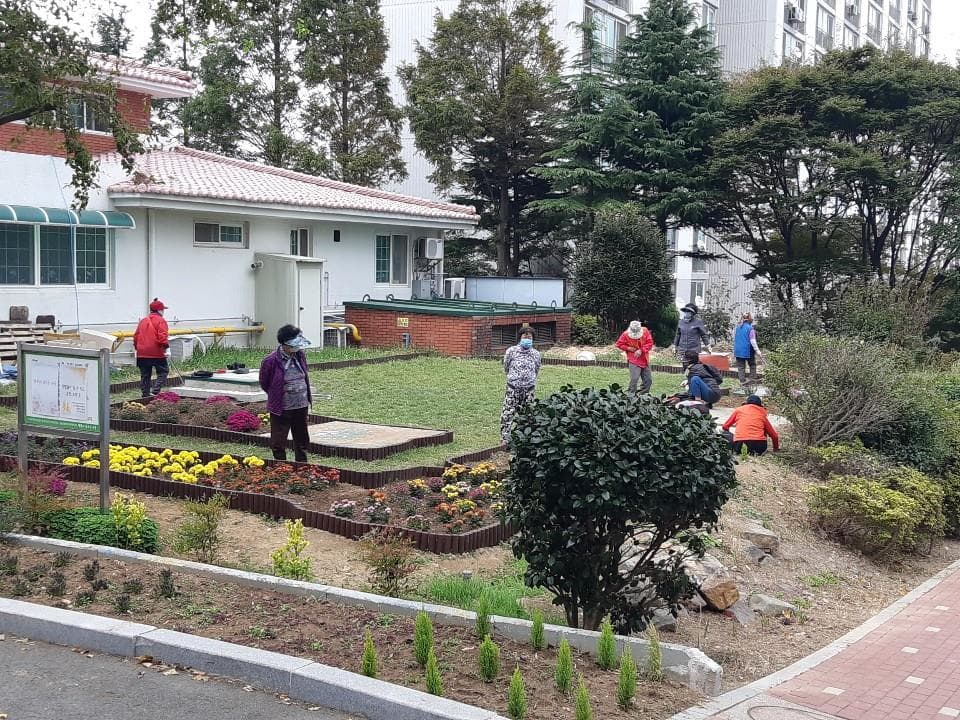
Busan City, South Korea is following the trend of sustainable building certification for apartments by selecting seven "2022 Green Apartments" to promote carbon-neutral living. The Green Apartment Certification System has been implemented since 2011 for apartment buildings with more than 150 units to reduce greenhouse gases in the non-industrial sector. The apartments are evaluated based on 10 items, including quantitative indicators such as electricity, water, and gas savings rate, recycling se

Time for Korea to Embrace Vertical Farming on Agricultural Land
SustainabilityMar 6, 2023

Time for Korea to Embrace Vertical Farming on Agricultural Land

As the world's population grows, the issue of food security becomes more pressing. With limited arable land available for farming, new methods of food production are necessary to ensure that people have access to fresh and healthy food. One promising solution is vertical farming, which involves growing crops in stacked layers. However, many countries, including Korea, have yet to fully embrace this innovative method of food production. Recent various studies have explored the feasibility of ver

Busan Introduces New Certification System for Carbon Reduction through Tree Planting Program
SustainabilityMar 2, 2023

Busan Introduces New Certification System for Carbon Reduction through Tree Planting Program

Busan City has announced the implementation of a new certification system that calculates and certifies the amount of greenhouse gas reduction resulting from tree planting programs sponsored by companies and organizations. The “Greenhouse Gas Reduction Contribution Certification System,” which is the first of its kind in the country, aims to recognize and incentivize companies and organizations that voluntarily engage in tree planting programs to reduce their carbon footprint. Certificates will

Creating a unique 15-minute city: Busan announces preliminary candidate sites for the "Happy Challenge" project
SustainabilityMar 2, 2023

Creating a unique 15-minute city: Busan announces preliminary candidate sites for the "Happy Challenge" project

Busan City has selected four residential areas as preliminary candidates for the second year of the "Happy Challenge" project. The selected areas are Dong-gu (Jwacheon-dong and Bumil-dong), Buk-gu (Mandeok-dong), Saha-gu (Sinpyeong-dong and Jangnim-dong), and Sasang-gu (Gwaebeop-dong and Gamjeon-dong). The Happy Challenge project is a city revitalization initiative launched by the Busan Metropolitan City government. The project aims to create a unique 15-minute city in Busan, where citizens can

The Sinpyeong-Jangnim Industrial Complex Transformation
SustainabilityFeb 27, 2023

The Sinpyeong-Jangnim Industrial Complex Transformation

Korea's Sinpyeong-Jangnim Industrial Complex, located in the Saha-gu district in western Busan, has been a pillar of the country's manufacturing industry for over four decades. With over 600 companies employing more than 15,000 people, the complex has played a vital role in the local economy. However, with the changing demands of the modern workforce and the rise of knowledge-based industries, the complex has faced challenges adapting to the times. In response, the Ministry of Trade, Industry,

Busan to Construct Forest Experience Education Center in Sasang-gu
SustainabilityFeb 23, 2023

Busan to Construct Forest Experience Education Center in Sasang-gu

Busan City has unveiled its plans to construct an eco-friendly wooden structure called the Forest Experience Education Center in Sasang Neighborhood Park, Sasang-gu, Busan. The project, worth KRW 13 billion, is expected to be completed by 2026. After winning the "2023 Domestic Wood Construction Demonstration Project" contest organized by the Forest Service, the city decided to undertake this project. The competition aims to promote the use of domestic wood, reduce carbon emissions, and revive wo

Busan City to Invest KRW 1 Billion to Create Indoor Gardens at Public Facilities
SustainabilityFeb 21, 2023

Busan City to Invest KRW 1 Billion to Create Indoor Gardens at Public Facilities

Busan City is planning to spend KRW 10 billion this year to achieve its goal of becoming a leading carbon-neutral city by 2050 and create indoor gardens at two public facilities - Busan Bus Terminal and Gimhae International Airport. The indoor gardens, also known as living forests, are vertical gardens made with air-purifying plants. They are part of a project that has been funded by the Korea Forest Service since 2020 to improve the air quality of public spaces and reduce indoor fine dust. Bu

Busan to Create Four Wind Ventilation Forests to Improve Living Environment
SustainabilityFeb 17, 2023

Busan to Create Four Wind Ventilation Forests to Improve Living Environment

As part of its plan to become a leading carbon-neutral City by 2050, Busan Metropolitan City is investing 100 billion won in the Wind Ventilation Forest Creation Project to improve the living environment of its citizens. The new project aims to improve air pollution and reduce urban heat islands by creating wind ventilation corridor forests, urban green spaces, and connected urban forests that promote air circulation. Recently, the promotion of urban forests as wind ventilation corridors (wind v

KOGAS and DNV Assess Hydrogen Blending for South Korea's Energy Transition
TechnologyFeb 15, 2023

KOGAS and DNV Assess Hydrogen Blending for South Korea's Energy Transition

KOGAS, the world’s leading importer of liquefied natural gas (LNG), is set to explore the possibility of blending hydrogen with natural gas in its expansive gas pipeline network. The two-year project, which is a joint effort with DNV, will examine the suitability of KOGAS’ 5,000-kilometre-long transmission network for hydrogen blending. DNV will provide technical support and advisory services to KOGAS on the project, including assistance in meeting the requirements of South Korea’s regulatory au

Traditional Ondol Heating System and its Impact on the Environment
OpinionFeb 15, 2023

Traditional Ondol Heating System and its Impact on the Environment

The Ondol heating system is one of the oldest heating systems in the world and has been a prominent feature of traditional Korean homes for centuries. It is a unique form of underfloor heating that uses direct heat transfer from smoke generated by woodstoves or outdoor furnaces to heat the underside of the floor in the adjacent room, allowing for more efficient use of heat. The environmental and societal effects of Ondol, a traditional Korean heating system, have been a topic of concern. Accord

Page 5 of 6