World Expo 2030: Advocacy Groups Urge Exclusion of Saudi Arabia Over Its Human Rights Record
As the choice of host for the World Expo 2030 draws near, a chorus of notable human rights organizations has lodged an appeal with the Bureau International des Expositions (BIE), beseeching the Paris-based organization to exclude Saudi Arabia from the list of prospective hosts. They contend that Saudi Arabia's troubling record on human rights stands in stark contrast to the event's ethos, and runs the risk of besmirching the prestige of this globally recognized event. In a letter dispatched to

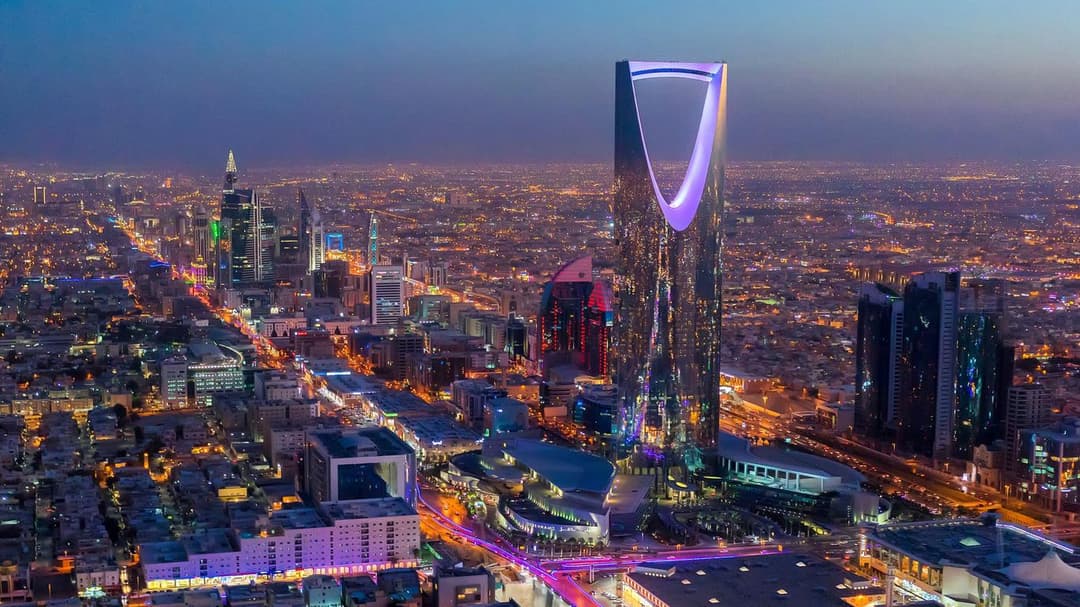
As the choice of host for the World Expo 2030 draws near, a chorus of notable human rights organizations has lodged an appeal with the Bureau International des Expositions (BIE), beseeching the Paris-based organization to exclude Saudi Arabia from the list of prospective hosts. They contend that Saudi Arabia's troubling record on human rights stands in stark contrast to the event's ethos, and runs the risk of besmirching the prestige of this globally recognized event.
In a letter dispatched to the BIE, these organizations articulate their concerns about the Saudi regime, pointing to a litany of issues that continue to plague the Kingdom. The use of the death penalty, suppression of women's rights advocates, and persecution of dissidents domestically and abroad are just a few of the grave human rights concerns highlighted.
Saudi Arabia, in addition to South Korea, Italy, and Ukraine, is currently one of the contenders to host the World Expo in 2030. The World Expo, a time-honored event that debuted in London's Hyde Park in 1851, has long served as an international platform for premiering ground-breaking innovations.
However, these human rights groups allege that Saudi Arabia's ambition to host the Expo is a strategic attempt to divert global attention from its long-standing and ongoing human rights abuses. They further argue that the Saudi regime has leveraged major international events as a smokescreen for its systemic rights violations in the past.
In the spotlight is the controversial Neom project, an initiative prominently featured in Saudi Arabia's Vision 2030 economic diversification plan. Despite Saudi officials touting Neom as an "accelerator of human progress," the project has drawn severe criticism from human rights organizations. Reports of forced displacement of local tribes and allegations of forced labor have sparked an international outcry.
Saudi Arabia's human rights performance elicits deep concern from international observers, as evidenced by several noteworthy issues:
- Capital Punishment: In the year 2021, the Kingdom of Saudi Arabia confirmed its reputation as one of the world's most prolific users of the death penalty. The state recorded at least 65 executions for an array of crimes, underscoring the government's stringent and unrelenting application of capital punishment.
- Treatment of Women's Rights Advocates: Prominent activist Loujain al-Hathloul exemplifies the Kingdom's often harsh response to advocates for women's rights. Detained in 2018 due to her activism, al-Hathloul suffered alleged torture during her incarceration before her eventual release in early 2021, a stark demonstration of the risks faced by those campaigning for gender equality in the Kingdom.
- Action against Dissidents: The case of Jamal Khashoggi, a Saudi journalist who became a high-profile critic of the Saudi government, brought international attention to the Kingdom's treatment of dissenters. Khashoggi's assassination inside the Saudi consulate in Istanbul in 2018 drew global condemnation and highlighted the severe measures the Saudi government is willing to take against its critics.
- Restrictions on Freedom of Expression and Assembly: Saudi Arabia maintains a comprehensive censorship apparatus that curtails freedom of expression. Individuals expressing dissident views, particularly through online platforms, risk arrest, and detention. Furthermore, the state imposes tight controls on public assembly, requiring government approval for such gatherings and frequently resorting to detainment to quash protests.
- Gender-based Discrimination: Despite recent reforms, Saudi Arabia's institutional gender bias persists. Women face numerous restrictions, including those on travel and occupational choice, reinforcing a system of gender inequality that disproportionately limits the rights and opportunities of Saudi women.
- Limited Religious Freedom: Saudi Arabia, governed as an Islamic state, permits only the open practice of Islam. Adherents of other religious groups encounter significant restrictions, including prohibitions on public proselytizing and the construction of places of worship, severely curtailing their religious liberties.
These examples underscore the extensive, systematic human rights issues within Saudi Arabia. As such, the Kingdom's bid to host the World Expo 2030 raises substantial questions about the propriety of granting such a prestigious international event to a nation with such a contentious human rights record.
As the BIE deliberates over the potential host for the World Expo 2030, the collective call from human rights groups serves as a stark reminder of the intersection between human rights and global events. They underscore the critical responsibility of global organizations like the BIE to ensure their selections reflect the core principles these events aim to uphold.
The BIE and the Saudi Ministry of Foreign Affairs have not yet responded to these developments. As the decision nears, the international community will watch with keen interest to see how the human rights concerns may influence the final decision for the World Expo 2030 host.
Continue this reporting
Reporting on the same issue
Related coverage selected from the article's desk, topics and newsroom relationships.
 NewsSep 26, 2026
South Korea’s 490 Regional Doctor Seats Begin a Longer Route to Care
South Korea’s first 490 regional-doctor seats tie medical-school admission to...
 NewsAug 30, 2026
The Hidden Economics of South Korea’s Public Transport
Busan’s latest transport review exposes a wider national problem: South Korea...
 NewsAug 11, 2026
Korea’s Innovation Cities Did Not Grow the Same Way
Nearly two decades after South Korea began relocating public institutions, th...
More from the author
More from this byline
Stay with the same line of reporting through more work from this byline.
 NewsOct 9, 2026
Why “Busan Is Good” Falls Short as a City Brand
 NewsSep 18, 2026
The Other AI Race Is for the Freedom to Change Course
Reader Signal
Community readWhat did this report leave you with?
Choose the signal that best reflects your reading. Select it again to remove it.
One response per article
No response selected
A moderated conversation about the reporting.
One-level replies and newsroom moderation keep the conversation anchored to this article.
Discussion Status
Open
Please sign in to join the discussion.
Newsletter
Weekly reporting and context from Busan and Korea.