South Korea’s Environmental Policies in 2025
As South Korea strides into 2025, the Ministry of Environment has unveiled a comprehensive suite of policies designed to address the pressing climate and environmental challenges of our time. From enhancing carbon trading mechanisms to providing greater incentives for electric vehicles, these measures underscore the government’s determination to pursue sustainability while navigating economic and social complexities. However, while the breadth of these policies reflects ambition, they also rais

As South Korea strides into 2025, the Ministry of Environment has unveiled a comprehensive suite of policies designed to address the pressing climate and environmental challenges of our time. From enhancing carbon trading mechanisms to providing greater incentives for electric vehicles, these measures underscore the government’s determination to pursue sustainability while navigating economic and social complexities.
However, while the breadth of these policies reflects ambition, they also raise critical questions about implementation, inclusivity, and alignment with global environmental standards. As the nation prepares to enact these reforms, experts are closely examining their potential impact—and the challenges they may face.
A cornerstone of South Korea’s new environmental strategy is the expansion of the emissions trading system. By opening the market to institutional investors such as banks and insurance companies, the government aims to bring greater liquidity and flexibility to carbon credit trading. This move, coupled with relaxed rules allowing trades through intermediaries, signals a shift toward a more dynamic market structure.
While this development is promising, critics point to potential risks. Unlike the European Union’s emissions trading system, which includes mechanisms to stabilize prices, South Korea’s approach lacks comparable safeguards. This absence could lead to volatility, undermining the system’s effectiveness in driving consistent carbon reductions. To fully realize the potential of this policy, a stronger regulatory framework will be necessary.
Complementing these market reforms is a ₩1.5 trillion guarantee program aimed at supporting small and medium-sized enterprises (SMEs) in the climate-tech sector. By reducing financial barriers for innovative startups, the government seeks to foster green technologies that can accelerate the nation’s transition to a low-carbon economy. However, the success of this initiative will depend on ensuring that these funds are accessible and accompanied by support for scaling technological innovations.
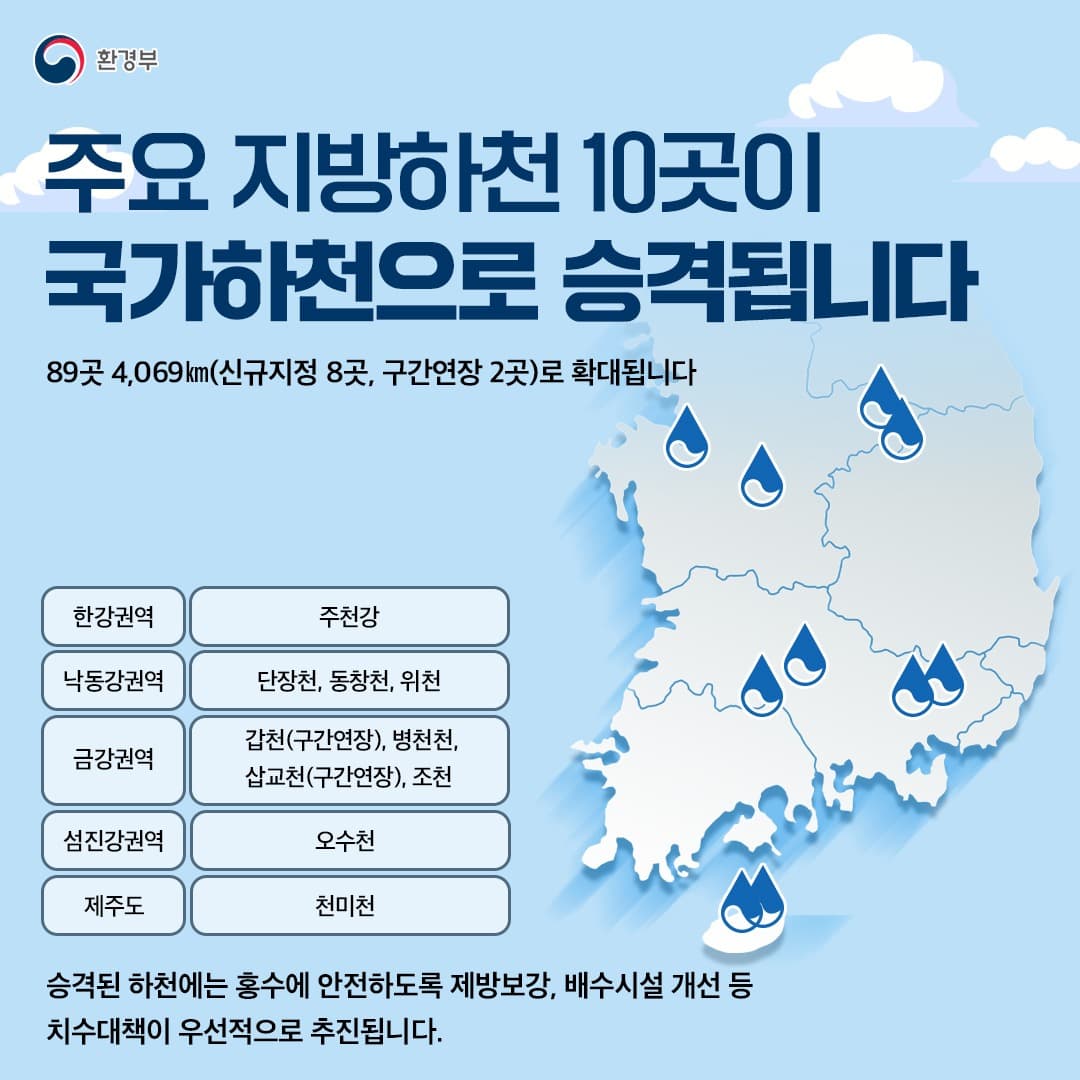
Another critical focus of the 2025 reforms is resource management and public safety. In an effort to strengthen flood defenses and improve water resource management, ten local rivers have been elevated to national status. This designation comes with increased funding and oversight, ensuring these waterways are equipped to withstand extreme weather events exacerbated by climate change.
Simultaneously, the Ministry of Environment is launching a certification program for water treatment facilities, aimed at guaranteeing hygienic and safe drinking water for communities. This initiative reflects a commitment to addressing public health concerns, yet its success will hinge on rigorous implementation and regular monitoring.
Policies targeting individual behavior also play a central role in the government’s strategy. Expanded subsidies for electric vehicles aim to make eco-friendly transportation more accessible, with young first-time buyers receiving an additional 20% in financial support. Families with multiple children stand to benefit as well, with subsidies increasing to as much as ₩300,000 depending on family size.
Additionally, the Carbon Neutrality Points program has been expanded to include new actions such as cycling and reducing food waste, with rewards doubling for the use of reusable containers in food delivery. While these initiatives are designed to incentivize sustainable lifestyles, concerns remain about their practical reach. Without robust outreach and education campaigns, participation rates may remain low, limiting their overall effectiveness.
South Korea’s effort to align its chemical regulations with international standards is a step in the right direction, especially for businesses engaging in global trade. By raising the threshold for chemical registrations and enhancing transparency, the government is working to simplify compliance while ensuring environmental safety.
However, these changes bring their own challenges. SMEs, which often lack the resources to adapt to complex regulatory shifts, may face increased administrative burdens. Ensuring that these businesses are supported through training and resources will be essential to avoid unintended negative consequences.
Similarly, the introduction of a one-stop system for environmental damage redress represents a significant structural reform. By consolidating investigation, arbitration, and compensation processes under a single agency, the government hopes to streamline procedures and improve access to justice for affected citizens. Yet, the effectiveness of this system will depend on its ability to manage operational complexities and avoid bureaucratic inefficiencies.
While the 2025 policies reflect a clear commitment to sustainability, they also reveal areas where South Korea’s approach could be strengthened. The ambitious biogas production targets for public sectors, for example, highlight the government’s focus on renewable energy. However, experts caution that achieving these goals will require significant investment in infrastructure and technology, areas where Korea currently lags behind leaders like Germany.
Moreover, the absence of a strong global strategy raises concerns about the nation’s role in international climate governance. As countries like the European Union and the United States shape global frameworks through initiatives like the Carbon Border Adjustment Mechanism (CBAM), South Korea’s policies remain largely inward-focused. Greater engagement with global climate efforts will be critical to enhancing Korea’s influence and ensuring its domestic policies align with broader international goals.
Continue this reporting
Reporting on the same issue
Related coverage selected from the article's desk, topics and newsroom relationships.
 NewsSep 26, 2026
South Korea’s 490 Regional Doctor Seats Begin a Longer Route to Care
South Korea’s first 490 regional-doctor seats tie medical-school admission to...
 NewsAug 30, 2026
The Hidden Economics of South Korea’s Public Transport
Busan’s latest transport review exposes a wider national problem: South Korea...
 NewsAug 11, 2026
Korea’s Innovation Cities Did Not Grow the Same Way
Nearly two decades after South Korea began relocating public institutions, th...
More from the author
More from this byline
Stay with the same line of reporting through more work from this byline.
 NewsSep 18, 2026
The Other AI Race Is for the Freedom to Change Course
 NewsSep 5, 2026
How a Political Appointment Becomes a Judgment of Character
Reader Signal
Community readWhat did this report leave you with?
Choose the signal that best reflects your reading. Select it again to remove it.
One response per article
No response selected
A moderated conversation about the reporting.
One-level replies and newsroom moderation keep the conversation anchored to this article.
Discussion Status
Open
Please sign in to join the discussion.
Newsletter
Weekly reporting and context from Busan and Korea.