Protests and Platforms: The Role of Youth and Women in Post-Yoon South Korea
South Korea finds itself at a pivotal moment in its democratic history. Following the impeachment of President Yoon Suk-yeol, a groundswell of political engagement, driven by the nation’s youth and women, has captured global attention. Their efforts, fueled by online platforms and K-pop fandom culture, have spotlighted a new generation’s ability to drive change. Yet, as their activism reshapes the political landscape, critical questions remain: Can this unprecedented movement bridge the nation’s
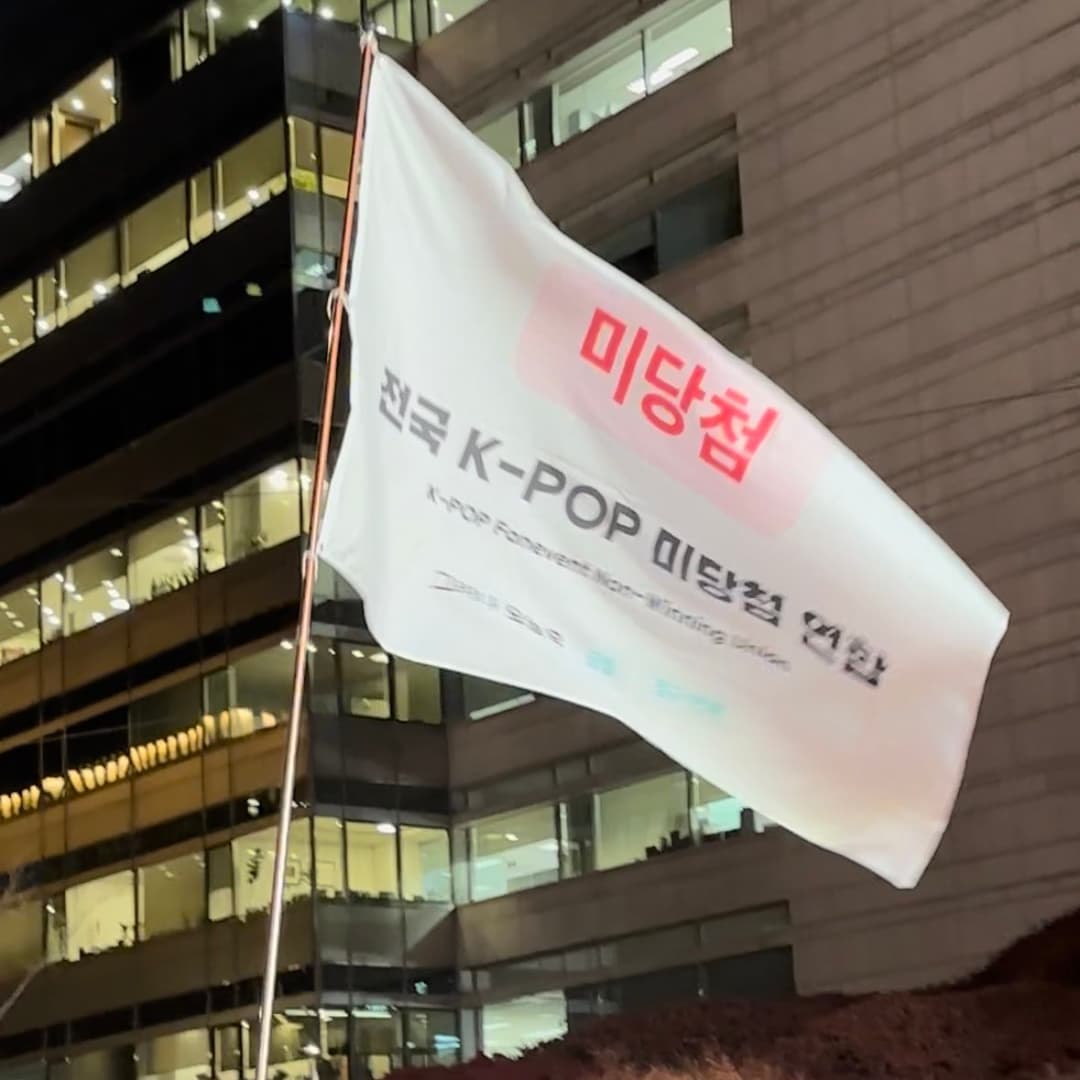
South Korea finds itself at a pivotal moment in its democratic history. Following the impeachment of President Yoon Suk-yeol, a groundswell of political engagement, driven by the nation’s youth and women, has captured global attention. Their efforts, fueled by online platforms and K-pop fandom culture, have spotlighted a new generation’s ability to drive change. Yet, as their activism reshapes the political landscape, critical questions remain: Can this unprecedented movement bridge the nation’s divides, or will it deepen existing tensions?
The impeachment of President Yoon marked the third such event in South Korea’s democratic history, following the tumultuous impeachments of Roh Moo-hyun and Park Geun-hye. Yoon’s presidency faced severe backlash over accusations of power abuse, including controversial emergency decrees widely seen as undermining democratic norms. These actions triggered massive protests nationwide, with South Korea’s 10- and 20-somethings leading a peaceful yet determined campaign for accountability.
At the heart of this movement was an unprecedented mobilization of digital platforms and fandom networks, transforming tools once used for entertainment into engines of civic activism.
The Role of K-Pop Fandoms in Activism
K-pop fandoms have long been recognized for their organizational skills and social media savvy, often employed to amplify their favorite idols’ global reach. During the protests, these same skills were repurposed to political ends. Fan groups organized rallies, launched crowdfunding initiatives, and used their platforms to expose the president’s alleged abuses. Their actions extended far beyond entertainment, establishing them as vital players in the nation’s political discourse.
These fandoms utilized hashtags, viral memes, and graphic content to energize younger protesters and sustain momentum. Fans leveraged their creativity to organize flash mobs and amplify their messages across digital platforms, making the protests not only impactful but also globally visible. Their use of innovative approaches helped unify protesters and draw international attention to the movement.
Women-Led Communities as Drivers of Change
Female-centric online platforms such as TheQoo emerged as crucial spaces for political discourse and organization. Traditionally used for sharing lifestyle content, TheQoo evolved during the protests into a hub where women exchanged political insights, coordinated actions, and fostered solidarity.
The platform allowed anonymous discussions, empowering women to freely express their views. Memes, infographics, and emotionally charged posts spread rapidly, galvanizing users to join the movement both online and offline. Through these forums, women built a sense of collective purpose that transcended regional and social boundaries.
For many women, the protests transcended the singular goal of removing Yoon. They also became an opportunity to confront systemic inequalities symbolized by his administration, including workplace discrimination, gender pay gaps, and the prevalence of gender-based violence. Women framed their participation as part of a broader fight for justice and equality, linking their activism to long-standing societal problems. This "justice for all" narrative united women from diverse backgrounds, positioning them as proactive agents of change.
The Shadow of Gender Conflict
While women’s activism gained significant momentum during the protests, it was met with criticism in some corners of South Korean society. Certain male-dominated online communities, such as DC Inside and FM Korea, expressed discontent, framing the movement as “gender-focused” or overly influenced by specific demographics. These reactions reflected broader concerns among some men who felt excluded from political narratives or believed that the movement disproportionately centered women's issues.
South Korea’s history of gender-related tensions, such as debates surrounding the #MeToo movement and military conscription, highlights the sensitivity of gender dynamics in public discourse. If political movements are perceived as favoring one gender, there is a risk of exacerbating these existing divides and deepening societal polarization. To ensure unity, it is essential for movements to address shared concerns and engage diverse voices while maintaining a focus on collective progress and equity.
The Transformative Power of Youth Political Engagement
Political activism during formative years can profoundly shape individuals and societies. For South Korea’s youth, participation in movements like the impeachment protests offers a powerful lesson in democracy. Research consistently shows that early civic engagement fosters lifelong political awareness and involvement.
When young people see their actions leading to tangible outcomes, such as holding public officials accountable, they develop a sense of empowerment and agency. This is vital for cultivating active citizenship and combating political apathy.
Protests also create a shared identity among participants, forming bonds that often endure for decades. Movements like the Park Geun-hye impeachment protests produced leaders who now work as community organizers and policy advocates. Similarly, today’s youth activists are likely to become tomorrow’s political leaders, equipped with the skills and determination fostered through their early participation.
Embracing Gender-Inclusive Politics in Post-Yoon South Korea
The growing political activism of South Korea’s youth, particularly young women, signals a transformative shift in the nation’s democratic landscape. This generation has demonstrated their ability to influence political discourse, as seen during the impeachment protests of President Yoon Suk-yeol. However, the road ahead requires vigilance to prevent the reemergence of divisive tactics, such as gender-based polarization, which have previously been employed by certain political actors.
In recent years, gender issues have been weaponized in South Korean politics, often to rally specific voter bases. Proposals like the abolition of the Ministry of Gender Equality and Family, championed by former presidential candidate Yoon Suk-yeol, and rhetoric surrounding "reverse discrimination" against men have sparked heated debates. These strategies, frequently associated with politicians such as Yoon and Lee Jun-seok, have framed gender equality initiatives as a zero-sum game, where gains for one gender are perceived as losses for the other.
This divisive approach has polarized public opinion, reducing complex societal challenges to simplistic narratives. While these tactics may yield short-term electoral benefits, they come at a significant cost to social cohesion. Instead of addressing systemic issues like wage inequality, workplace harassment, and inadequate family support systems, such rhetoric distracts from substantive policy progress and deepens mistrust between genders.
The participation of young women in political movements, from the #MeToo movement to the impeachment protests, has solidified their position as key stakeholders in South Korea’s democracy. Their activism has drawn attention to issues like workplace discrimination, gender violence, and societal inequality. Moving forward, their continued engagement will likely shape the nation’s policy priorities and demand a more inclusive approach to governance.
Young women have also demonstrated that they are not merely reacting to divisive rhetoric but are proactively framing broader societal concerns as central to South Korea’s political future. Their focus on justice, fairness, and equality challenges traditional narratives and sets the stage for a more collaborative and inclusive political culture.
To secure South Korea’s progress as a resilient democracy, it is vital for both voters and leaders to reject gender-based polarization as a political strategy. Divisive rhetoric that pits men against women alienates large portions of the population and undermines trust in democratic institutions. Instead, a gender-integrative approach that fosters collaboration and addresses common concerns must be embraced.
This can be achieved by focusing on shared goals such as affordable childcare, mental health services, and workplace equity—issues that benefit all citizens and provide a foundation for cooperative policymaking. Inclusive dialogue is equally important; creating public forums and bipartisan commissions allows diverse stakeholders to address systemic challenges collectively, fostering mutual understanding.
Investing in early gender education is another key step. Teaching empathy and equality from a young age dismantles harmful stereotypes and ensures that future debates are constructive rather than adversarial. Finally, responsible leadership is crucial. Political and cultural leaders must reject divisive rhetoric and instead model unity and inclusivity, demonstrating how difficult issues can be resolved with mutual respect. Together, these actions can build a more equitable and cohesive democratic society.
As South Korea enters this new era, citizens must remain vigilant against attempts to exploit gender divisions for political gain. Politicians who rely on rhetoric that exacerbates social fractures—such as framing gender equality as “reverse discrimination” or targeting institutions like the Ministry of Gender Equality and Family—must be held accountable by the electorate. Such tactics undermine not only societal harmony but also the credibility of democratic governance.
The participation of young women and other marginalized groups in political discourse has already begun to reshape South Korea’s democracy. Their efforts reflect a broader demand for fairness, justice, and unity that transcends gender and generational divides. By rejecting polarizing narratives and prioritizing inclusivity, South Korea has an opportunity to build a more equitable and resilient political culture—one that reflects the values of all its citizens.
The growing influence of South Korea’s youth, particularly young women, offers a glimpse of the nation’s democratic potential. However, realizing this potential requires rejecting divisive rhetoric and embracing collaboration. By focusing on shared goals, fostering inclusive dialogue, investing in education, and demanding responsible leadership, South Korea can overcome the pitfalls of gender polarization and ensure a brighter, more united future for its democracy.
Continue this reporting
Reporting on the same issue
Related coverage selected from the article's desk, topics and newsroom relationships.
 NewsSep 26, 2026
South Korea’s 490 Regional Doctor Seats Begin a Longer Route to Care
South Korea’s first 490 regional-doctor seats tie medical-school admission to...
 NewsAug 30, 2026
The Hidden Economics of South Korea’s Public Transport
Busan’s latest transport review exposes a wider national problem: South Korea...
 NewsAug 11, 2026
Korea’s Innovation Cities Did Not Grow the Same Way
Nearly two decades after South Korea began relocating public institutions, th...
More from the author
More from this byline
Stay with the same line of reporting through more work from this byline.
 NewsSep 18, 2026
The Other AI Race Is for the Freedom to Change Course
 NewsSep 5, 2026
How a Political Appointment Becomes a Judgment of Character
Reader Signal
Community readWhat did this report leave you with?
Choose the signal that best reflects your reading. Select it again to remove it.
One response per article
No response selected
A moderated conversation about the reporting.
One-level replies and newsroom moderation keep the conversation anchored to this article.
Discussion Status
Open
Please sign in to join the discussion.
Newsletter
Weekly reporting and context from Busan and Korea.