IPCC Blueprint: Cities Take Charge in Climate Battle
Seoul, South Korea — As the global urban population continues to swell, now making up about 60% of the world’s total population, the role of cities in addressing climate change has never been more critical. In a landmark decision, the Intergovernmental Panel on Climate Change (IPCC) has approved two pivotal reports that lay out a comprehensive strategy for urban areas to combat the climate crisis. The Special Report on Climate Change and Cities, alongside the Methodology Report on Short-Lived Cl

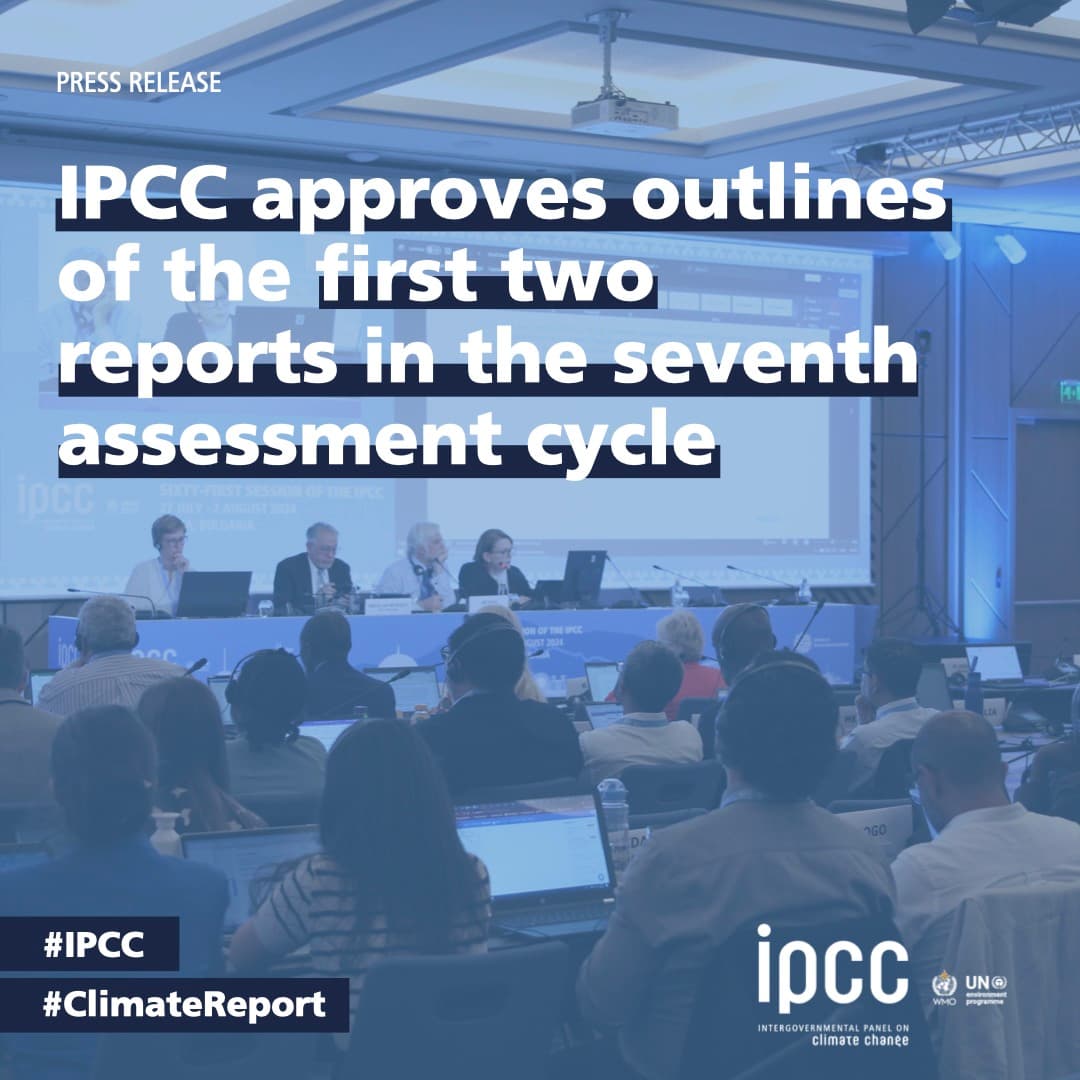
Seoul, South Korea — As the global urban population continues to swell, now making up about 60% of the world’s total population, the role of cities in addressing climate change has never been more critical. In a landmark decision, the Intergovernmental Panel on Climate Change (IPCC) has approved two pivotal reports that lay out a comprehensive strategy for urban areas to combat the climate crisis. The Special Report on Climate Change and Cities, alongside the Methodology Report on Short-Lived Climate Forcers (SLCF), was ratified at the IPCC's 61st meeting in Sofia, Bulgaria.
This development marks a significant step forward in the global fight against climate change, highlighting the crucial role cities play in mitigation and adaptation efforts. With cities being major contributors to global emissions and also highly vulnerable to climate impacts, the reports offer guidance on transforming urban areas into climate-resilient, low-carbon hubs.
The reports were developed with input from hundreds of scientists and policymakers worldwide and provide a roadmap for integrating climate considerations into urban planning and governance. This is particularly timely as cities face increasing challenges from extreme weather events, rising sea levels, and other climate-related impacts.
The IPCC's Special Report on Climate Change and Cities is a comprehensive assessment of how urban areas can adapt to and mitigate the effects of climate change. It examines the vulnerabilities of cities, the impacts of climate change on urban populations, and the potential for cities to be leaders in climate action. By focusing on the unique characteristics of urban areas, the report emphasizes the need for tailored solutions that address the specific challenges and opportunities present in different cities around the world.
One of the central themes of the report is the importance of enhancing urban resilience through nature-based solutions and ecosystem-based adaptations. These strategies include urban greening, the restoration of natural habitats, and the integration of sustainable practices into city planning. By investing in green infrastructure and promoting biodiversity, cities can reduce their vulnerability to climate impacts while also contributing to global efforts to curb emissions.
The accompanying Methodology Report on Short-Lived Climate Forcers provides new guidelines for estimating emissions of pollutants that, despite their short atmospheric lifetimes, have significant warming effects. These include nitrogen oxides, carbon monoxide, non-methane volatile organic compounds, sulfur dioxide, ammonia, black carbon, organic carbon, and particulate matter. By offering a standardized approach to measuring these emissions, the report aims to improve the accuracy of climate data and support informed policymaking.
South Korea played a notable role in the IPCC's deliberations, with a delegation led by the Korea Meteorological Administration and representatives from several key environmental agencies. This active participation underscores South Korea's commitment to integrating its climate policies and research into global frameworks, reflecting the country's broader strategy to position itself as a leader in climate innovation.
As the urban population continues to grow, the challenges associated with climate change are expected to intensify. The IPCC reports serve as a critical resource for city leaders, policymakers, and planners who must navigate these complex issues. By providing a detailed analysis of urban climate risks and opportunities, the reports offer a blueprint for building sustainable, resilient cities that can thrive in a changing climate.
The reports are also set to inform the Global Stocktake in 2028, a comprehensive assessment of progress towards the Paris Agreement goals. As such, they represent a vital tool for tracking and accelerating global climate action. The IPCC's work highlights the urgent need for cities to take proactive measures to reduce emissions, adapt to climate impacts, and enhance the resilience of urban communities.
As the global climate landscape evolves, cities stand at the forefront of efforts to mitigate and adapt to the impacts of climate change. The IPCC's latest reports provide a clear and compelling vision for urban areas to transform into resilient, low-carbon centers of innovation and sustainability. By embracing this challenge, cities can lead the way in creating a more sustainable future for all.
The path to a sustainable future lies in the hands of urban leaders and policymakers. By fostering collaboration and innovation, cities have the opportunity to become hubs of climate resilience and lead the global transition towards a more sustainable future.
Continue this reporting
Reporting on the same issue
Related coverage selected from the article's desk, topics and newsroom relationships.
 NewsSep 26, 2026
South Korea’s 490 Regional Doctor Seats Begin a Longer Route to Care
South Korea’s first 490 regional-doctor seats tie medical-school admission to...
 NewsAug 30, 2026
The Hidden Economics of South Korea’s Public Transport
Busan’s latest transport review exposes a wider national problem: South Korea...
 NewsAug 11, 2026
Korea’s Innovation Cities Did Not Grow the Same Way
Nearly two decades after South Korea began relocating public institutions, th...
More from the author
More from this byline
Stay with the same line of reporting through more work from this byline.
 NewsSep 18, 2026
The Other AI Race Is for the Freedom to Change Course
 NewsSep 5, 2026
How a Political Appointment Becomes a Judgment of Character
Reader Signal
Community readWhat did this report leave you with?
Choose the signal that best reflects your reading. Select it again to remove it.
One response per article
No response selected
A moderated conversation about the reporting.
One-level replies and newsroom moderation keep the conversation anchored to this article.
Discussion Status
Open
Please sign in to join the discussion.
Newsletter
Weekly reporting and context from Busan and Korea.