Busan’s 2025 Strategy: Growth, Innovation, and Welfare
Busan, South Korea – As Busan works to establish itself as a key player in the global economy, the city unveiled its 2025 administrative strategy during a comprehensive meeting held at city hall on Monday. The roadmap emphasizes economic revitalization, environmental sustainability, and citizen welfare, with plans across five critical sectors: logistics, digital innovation, green initiatives, welfare, and administrative reform. At the core of Busan’s strategy is its ambition to become a "global

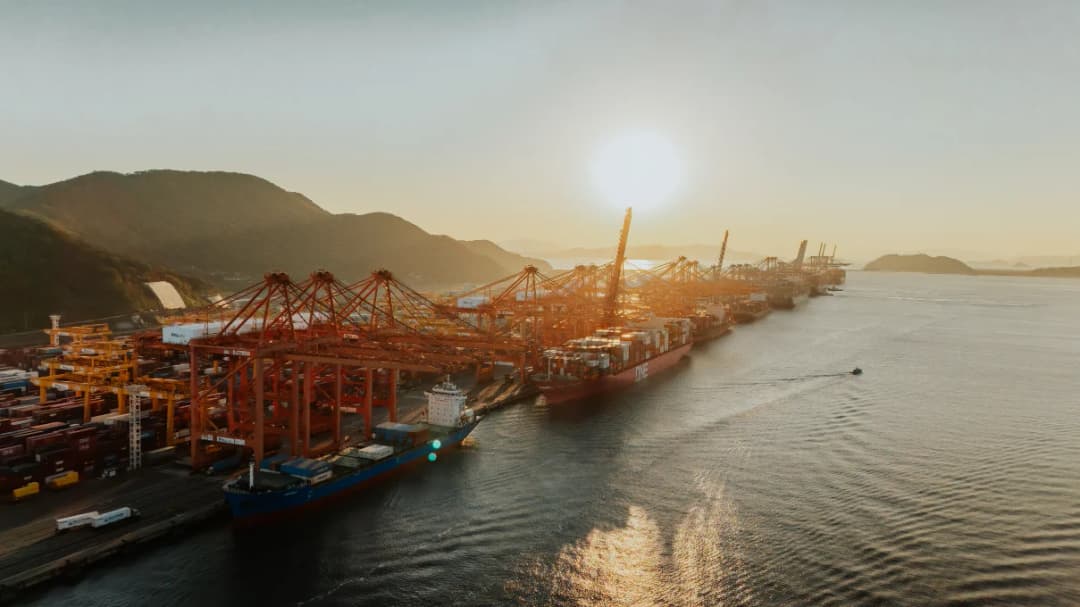
Busan, South Korea – As Busan works to establish itself as a key player in the global economy, the city unveiled its 2025 administrative strategy during a comprehensive meeting held at city hall on Monday. The roadmap emphasizes economic revitalization, environmental sustainability, and citizen welfare, with plans across five critical sectors: logistics, digital innovation, green initiatives, welfare, and administrative reform.
At the core of Busan’s strategy is its ambition to become a "global hub city," with projects that aim to enhance logistics and transportation infrastructure. The expedited development of Gadeokdo New Airport, a transformative project poised to position Busan as a logistics leader in Northeast Asia, stands as the cornerstone of this vision. Complementing this is the second phase of the North Port redevelopment, which aims to attract foreign investment and modernize the city’s coastal infrastructure.
The city also plans to reinforce its "15-minute city" model, ensuring residents have easy access to essential services within a short commute. This urban planning initiative reflects Busan’s goal of creating well-connected, inclusive communities that thrive on convenience and accessibility
Busan is placing a significant bet on emerging technologies to drive its economy forward. Plans are underway to establish innovation hubs and attract global startups, particularly in fields such as artificial intelligence, quantum computing, and blockchain technology. By fostering these industries, Busan aims to solidify its reputation as a leader in Asia’s digital economy.
One of the standout initiatives includes positioning the city as a digital financial center. By integrating blockchain with traditional financial systems, Busan seeks to create an environment where both fintech startups and established players can flourish. The city also aims to expand its digital infrastructure to support innovation and entrepreneurship.
In line with global trends, environmental sustainability is a key focus for Busan’s 2025 strategy. The city has committed to achieving carbon neutrality by 2050, with plans to enhance green public transportation and expand urban forests. These measures are designed to combat air pollution and improve overall quality of life for residents.
Busan is also introducing stricter air quality monitoring systems and investing in eco-friendly infrastructure. These efforts aim to balance urban development with environmental preservation, ensuring that progress does not come at the cost of the city’s natural resources.
Beyond infrastructure and technology, Busan is prioritizing its residents’ welfare and quality of life. The city plans to enhance healthcare facilities and prepare for future public health challenges. Initiatives include expanding recreational and sports facilities, developing affordable housing, and building world-class cultural venues to enrich the lives of its citizens.
One of the key aspects of the welfare plan is support for families, including measures to create a child-friendly environment and promote affordable childcare options. These policies are designed to make Busan a city where families can thrive and individuals feel secure.
The roadmap emphasizes collaboration between government departments, private sectors, and citizens to ensure the success of these ambitious plans. While the city’s aspirations are bold, questions about feasibility remain. Busan’s administration will need to address economic constraints and manage resources effectively to turn these plans into reality.
With a mix of innovation, sustainability, and citizen-centered policies, Busan’s vision for 2025 is one of transformation and growth. The coming years will reveal whether these plans can deliver on their promises, but the city’s determination to create a better future for its residents and position itself on the global stage is unmistakable.
Continue this reporting
Reporting on the same issue
Related coverage selected from the article's desk, topics and newsroom relationships.
 NewsOct 6, 2026
Busan’s Water System Is Entering a Harder Era of Renewal
Busan spent decades building a water system that can absorb major failures. N...
 NewsSep 28, 2026
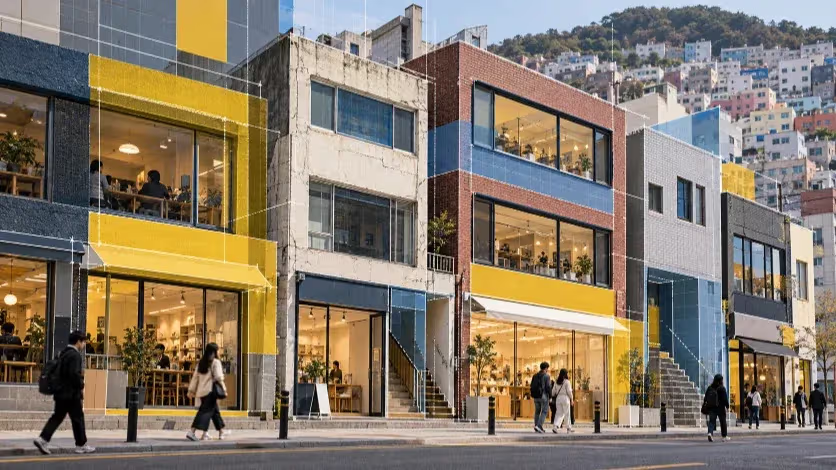
Why Some Commercial Space in Busan Is Hard to Reuse
Two empty commercial spaces exposed to the same broader economy can have very...
 NewsSep 20, 2026
What It Takes for U.S. Navy Repair Work to Become a Busan Industry
HJ Shipbuilding has brought U.S. Navy maintenance work to Yeongdo. Whether it...
More from the author
More from this byline
Stay with the same line of reporting through more work from this byline.
 NewsOct 9, 2026
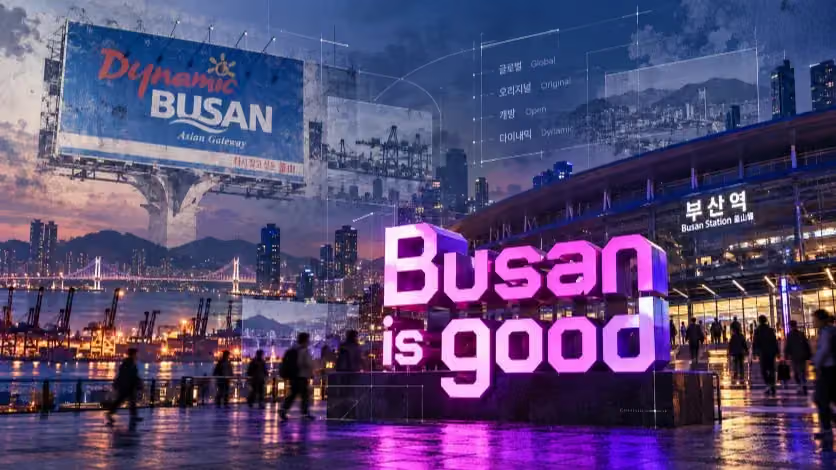
Why “Busan Is Good” Falls Short as a City Brand
 NewsSep 18, 2026
The Other AI Race Is for the Freedom to Change Course
Reader Signal
Community readWhat did this report leave you with?
Choose the signal that best reflects your reading. Select it again to remove it.
One response per article
No response selected
A moderated conversation about the reporting.
One-level replies and newsroom moderation keep the conversation anchored to this article.
Discussion Status
Open
Please sign in to join the discussion.
Newsletter
Weekly reporting and context from Busan and Korea.