Can Busan Become a Global Medical Tourism Hub?
Busan, South Korea -Busan is embarking on an ambitious journey to establish itself as a leading medical tourism hub. At the heart of this effort is the Global High Medi-hub Special Zone, an initiative launched in Seo-gu with the aim of leveraging the city’s advanced healthcare infrastructure to stimulate economic growth and address the pressing issue of population decline. Despite its promising potential, the project faces stiff competition and formidable challenges in carving out a space in the

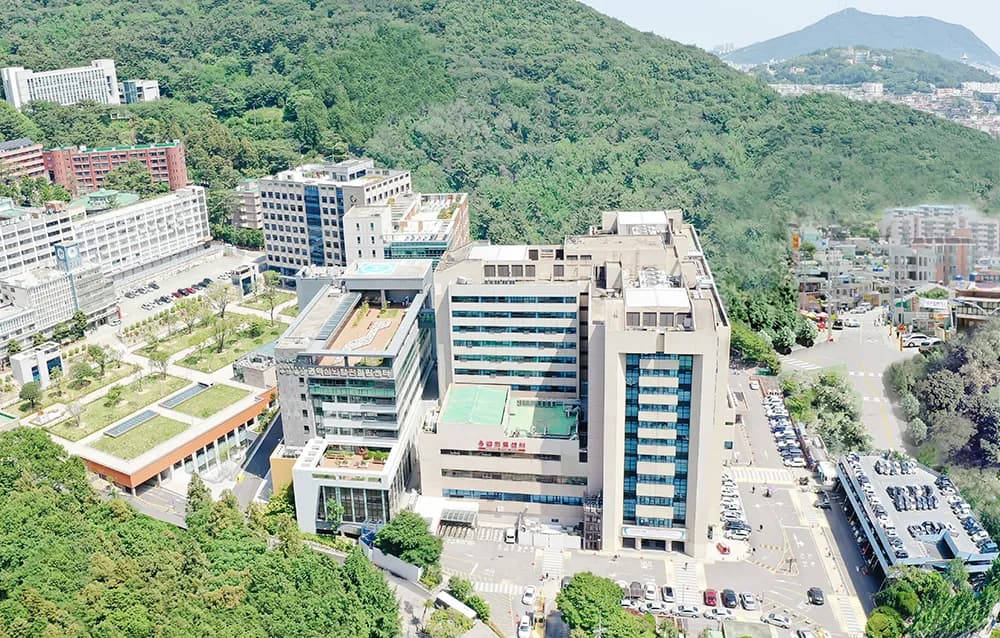
Busan, South Korea -Busan is embarking on an ambitious journey to establish itself as a leading medical tourism hub. At the heart of this effort is the Global High Medi-hub Special Zone, an initiative launched in Seo-gu with the aim of leveraging the city’s advanced healthcare infrastructure to stimulate economic growth and address the pressing issue of population decline. Despite its promising potential, the project faces stiff competition and formidable challenges in carving out a space in the highly competitive global medical tourism market.
The Global High Medi-hub Special Zone, led by Busan TechnoPark in collaboration with key medical institutions, represents a strategic effort under the national Local Industry Promotion Collaboration Project. With the backing of the central and local governments, the initiative seeks to transform Seo-gu into a thriving hub for medical research and innovation while supporting small and medium-sized enterprises (SMEs) in the healthcare sector.
Despite its impressive array of healthcare institutions, including Pusan National University Hospital, Dong-A University Hospital, and Kosin University Gospel Hospital, Seo-gu has struggled with an alarming population decline in recent years. This demographic challenge has significantly impacted economic development, prompting local authorities to tap into Busan’s robust medical infrastructure as a means of revitalization. Officials believe that by positioning the city as a global healthcare destination, they can not only reverse the trend of depopulation but also foster sustainable economic growth.
However, the road ahead is fraught with challenges. In the fiercely competitive landscape of medical tourism, Busan must contend with well-established destinations such as Seoul, Bangkok, and Singapore, which have long dominated the market with their well-developed healthcare ecosystems and global reputations. While Busan boasts state-of-the-art medical facilities and cutting-edge technology, its global brand presence remains relatively weak. Without aggressive marketing efforts and strategic branding initiatives, the city risks being overshadowed by its more recognized counterparts.
Another critical obstacle lies in the lack of specialized services catering to international patients. Many hospitals in Busan, despite their advanced medical capabilities, fall short in providing comprehensive support for foreign visitors. The absence of multilingual medical staff, culturally sensitive care, and seamless international patient management has been a recurring challenge, deterring potential visitors who seek a more accommodating and familiar healthcare experience. This gap in service delivery underscores the urgent need for infrastructural improvements and a patient-centric approach to healthcare tourism.
Policy inconsistency and fragmented sectoral efforts further complicate the city’s aspirations. Over the years, frequent shifts in policy direction and a lack of coordination between the healthcare and tourism sectors have hindered long-term strategic planning. As a result, stakeholders have faced uncertainty, with fluctuating funding allocations and inconsistent support mechanisms creating obstacles for sustained investment and growth.
Despite these challenges, optimism persists among local authorities and industry stakeholders. Efforts are already underway to address key shortcomings, with initiatives aimed at improving Busan’s global visibility and enhancing the patient experience. Participation in international healthcare exhibitions has been ramped up, and collaborations with foreign health ministries and tourism organizations are being strengthened to attract patients from key markets such as China, Russia, and Southeast Asia.
Hospitals within the Medi-hub Special Zone are also making strides in improving their services to cater to international patients. Language barriers are being addressed through extensive staff training programs, and specialized international patient service centers are being established to provide personalized assistance. These measures aim to create a welcoming environment where foreign visitors feel assured of receiving quality care tailored to their cultural and linguistic needs.
Infrastructure development is another key focus. Plans are in motion to expand healthcare facilities, improve transport connectivity, and develop medical accommodation options to cater to the needs of international patients. With an eye on the future, Busan is also embracing digital transformation by investing in telemedicine, artificial intelligence-driven diagnostics, and electronic medical records systems, making it easier for international patients to access consultations and medical information remotely before visiting the city for treatment.
Beyond infrastructure and marketing efforts, the long-term success of the Global High Medi-hub Special Zone will rely on strategic public-private partnerships. By fostering collaboration between government bodies and private sector stakeholders, Busan aims to attract greater investment, accelerate technological advancements, and ensure that the healthcare sector remains financially sustainable in the years to come.
Early signs of success are beginning to emerge. Reports indicate a steady increase in the number of foreign patients seeking treatment in Busan, reflecting growing confidence in the city's medical services. New job opportunities are being created in both the healthcare and hospitality sectors, providing a much-needed boost to the local economy. Additionally, the signing of multiple agreements with international medical institutions has paved the way for expanded cooperation and patient referrals, further cementing Busan’s place on the global healthcare map.
However, experts caution that the road to establishing Busan as a top-tier medical tourism destination is a long one, requiring consistent efforts, sustained investment, and a clear strategic vision. Mayor Park Heong-joon, a strong advocate for the project, remains optimistic about the city's potential. "This initiative is a crucial step toward revitalizing our local economy and showcasing Busan as a leader in healthcare innovation. We are committed to creating high-quality jobs and an environment where businesses can thrive," he stated.
As Busan continues to refine its strategies and overcome existing challenges, all eyes are on the city to see whether it can fulfill its ambitious vision. With the right mix of policy support, international collaboration, and service improvements, the Global High Medi-hub Special Zone has the potential to transform Busan into a formidable player in the global medical tourism industry. If successful, it could serve as a model for other regions seeking to harness their healthcare resources for economic development and global recognition.
Ultimately, the journey to becoming a medical tourism powerhouse will require not just state-of-the-art hospitals and cutting-edge technology, but a holistic approach that integrates healthcare with tourism, hospitality, and business innovation. The challenge for Busan lies in navigating these complexities while maintaining its commitment to providing world-class medical care and an exceptional patient experience.
Continue this reporting
Reporting on the same issue
Related coverage selected from the article's desk, topics and newsroom relationships.
 NewsOct 16, 2026
What Is Still Worth Going to See?
Busan’s biennale faces questions of artistic judgment and institutional care....
 NewsOct 14, 2026
What Became of Busan’s University Streets?
From 2015 to 2023, registered businesses grew near Pusan National University...
 NewsOct 12, 2026
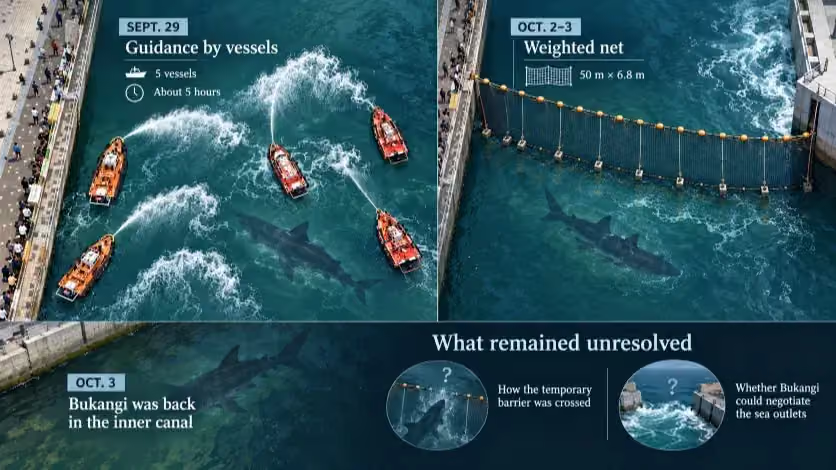
Bukangi, the Shark That Stayed in Busan’s North Port
A rescue net guided Bukangi toward the sea, but the dusky shark returned to B...
More from the author
More from this byline
Stay with the same line of reporting through more work from this byline.
 NewsOct 9, 2026
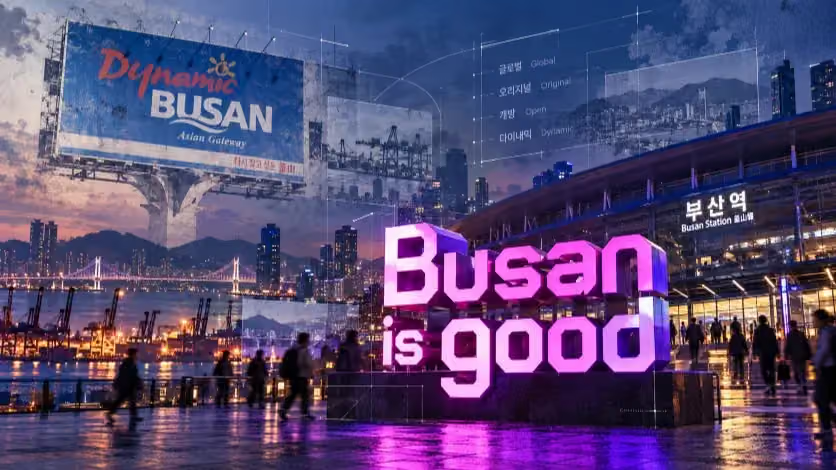
Why “Busan Is Good” Falls Short as a City Brand
 NewsSep 18, 2026
The Other AI Race Is for the Freedom to Change Course
Reader Signal
Community readWhat did this report leave you with?
Choose the signal that best reflects your reading. Select it again to remove it.
One response per article
No response selected
A moderated conversation about the reporting.
One-level replies and newsroom moderation keep the conversation anchored to this article.
Discussion Status
Open
Please sign in to join the discussion.
Newsletter
Weekly reporting and context from Busan and Korea.