Busan’s Urban Gamble: Will High-Rise Development Revitalize or Ruin Its Historic Districts?
Busan is lifting height restrictions in its historic districts to attract private development—but critics warn that high-rise expansion could worsen urban decay, strain infrastructure, and ignore the city’s unique landscape.

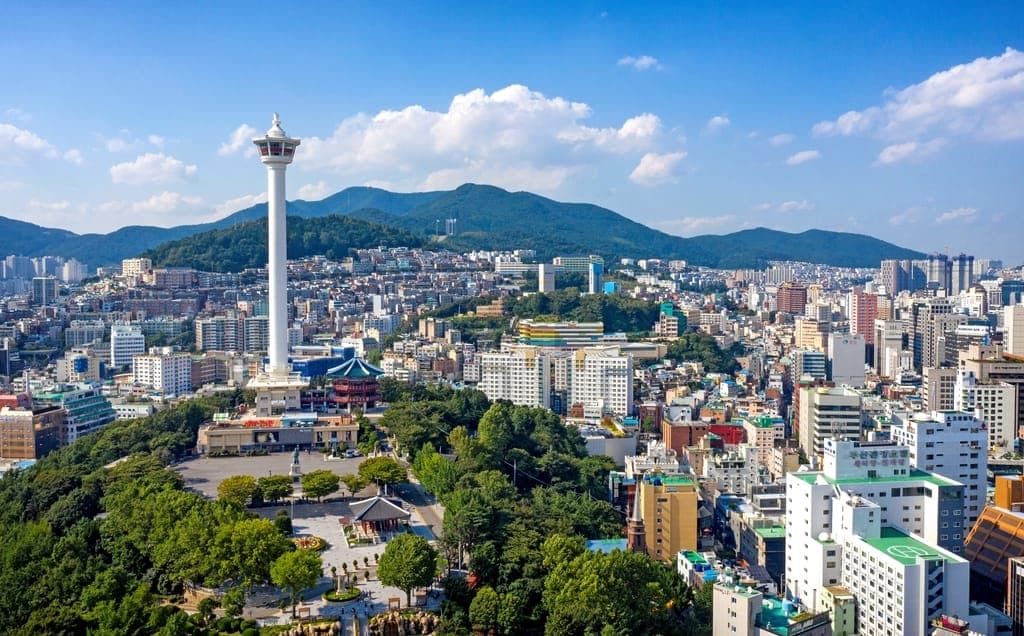
BUSAN, South Korea - In the heart of Busan’s historic core, where the city’s oldest neighborhoods cling to the steep slopes of Sanbok-doro and Yeongdo, a new urban development strategy is unfolding. Local authorities are pushing for a bold move—lifting height restrictions in these aging districts to encourage high-rise residential and commercial development. The argument is simple: allowing taller buildings will attract private investment, modernize the city’s infrastructure, and bring new life to areas suffering from depopulation and economic stagnation. But beneath the surface, this policy raises serious concerns. Is the rush to build skyward a genuine solution, or will it set Busan on a path toward unsustainable urban decay?
At first glance, the idea appears reasonable. The city's older districts, long overshadowed by the gleaming skyscrapers of Haeundae and Centum City, have struggled to keep pace with modernization. Many of the historic neighborhoods are characterized by narrow roads, aging low-rise homes, and deteriorating infrastructure. Redevelopment, in theory, offers an opportunity to transform these areas into thriving residential and commercial hubs. However, urban history has shown that indiscriminate high-rise development is rarely a long-term solution, especially in cities with topographical and infrastructural constraints like Busan.
The Short-Term Boom, Long-Term Crisis of High-Rise Expansion
Across the world, high-rise construction has often been heralded as the hallmark of urban progress. Cities like New York, Hong Kong, and Seoul have embraced vertical expansion, believing that increased density would lead to greater economic activity and efficient land use. Yet, as many of these cities have now discovered, high-rises come with an expiration date. Unlike low-rise and mid-rise structures, which can be continuously adapted and repurposed, aging high-rises quickly lose their economic and aesthetic appeal.
Seoul’s first wave of apartment towers, built in the 1980s and 1990s, were once considered the pinnacle of modern living. Today, many of them face rapid depreciation, costly maintenance challenges, and limited redevelopment prospects. Without comprehensive renovation strategies, these buildings become financial and logistical burdens, trapping residents in outdated, deteriorating structures with declining property values. In a city like Busan, where real estate demand is far weaker than in Seoul, the risks of premature urban decline are even greater.
The danger is clear. If Busan allows unchecked high-rise expansion in historic districts without considering long-term sustainability, it risks creating a real estate bubble that will collapse within decades, leaving behind economic dead zones that are too costly to maintain and too unattractive to redevelop. The cycle is predictable—initial waves of investment drive up land prices, short-term speculative buying inflates demand, and when interest wanes, the once-promising developments stagnate.
A Mismatch Between High-Rises and Busan’s Urban Landscape
Perhaps the greatest flaw in this policy is its disregard for the unique geography and infrastructure of Busan’s older districts. Unlike Seoul’s relatively flat urban landscape, western Busan is built on steep hills, narrow alleyways, and tightly packed clusters of aging homes. The neighborhoods in Seo-gu, Dong-gu, and Yeongdo were never designed to accommodate large-scale vertical development.
Introducing high-rise buildings in these areas would further strain an already inadequate infrastructure. Many of these districts lack efficient public transportation, sufficient road capacity, and emergency evacuation routes capable of supporting high-density living. Simply put, building taller does not solve the fundamental issues these areas face. Instead, it creates a logistical nightmare where residents are packed into high-density structures but remain disconnected from essential services and economic opportunities.
Public transportation in these areas is underdeveloped compared to the eastern districts. While Haeundae, Centum City, and Seomyeon benefit from well-connected subway lines, western districts rely on a patchwork of buses, steep staircases, and narrow roads ill-suited for mass transit. Without a dramatic expansion of subway and bus networks, new high-rise developments will only make daily life more inconvenient for both existing and new residents.
High-Rise Decay: A Future Without Exit Strategies
The long-term viability of high-rise developments hinges on continuous investment and maintenance—factors that many developers overlook in their rush for short-term gains. The reality is that most high-rise buildings begin to deteriorate after 20 to 30 years. Unlike low-rise neighborhoods, which can naturally evolve through incremental renovations and small-scale renewal projects, high-rise districts face a much harsher economic reality: when demand declines, there is little financial incentive for large-scale redevelopment.
In Seoul, even some of the city’s most centrally located apartment complexes are struggling with redevelopment feasibility due to high costs and a shrinking pool of willing investors. If even prime real estate faces these challenges, what will happen to Busan’s high-rises in 30 years when they are no longer considered attractive or profitable? The likelihood is that they will remain half-occupied, poorly maintained, and increasingly unattractive, reinforcing the very cycle of urban decay they were intended to prevent.
A Smarter Alternative: High-End, Sustainable Redevelopment
Rather than forcing high-rise development into districts ill-suited for it, Busan should embrace an alternative redevelopment strategy—one that takes advantage of its unique geography and historical character while prioritizing sustainable, mixed-use urban planning.
Instead of encouraging generic high-rise clusters, Busan could position its hillside districts as luxury residential areas, eco-friendly living spaces, and cultural hubs. Cities like Hong Kong and San Francisco have successfully transformed their hilly terrains into premium residential zones, offering scenic views, exclusive housing, and well-integrated urban planning. By applying a similar approach, Busan could revitalize its older districts without compromising their historical and geographical uniqueness.
Additionally, instead of removing height restrictions indiscriminately, Busan should focus on a strategic urban design approach that balances modern infrastructure with historic preservation. Adaptive reuse projects—where old industrial buildings, markets, and heritage sites are converted into commercial, residential, and cultural spaces—can create a vibrant urban landscape without the risks associated with high-rise overdevelopment.
Will Busan Repeat the Mistakes of Other Cities?
Busan stands at a defining moment in its urban development history. The push for high-rise expansion in its historic districts is a gamble that could either lead to short-term economic gains or long-term urban failure.
Rather than blindly following the conventional high-rise development model, Busan should learn from cities that have struggled with aging high-rises and unsustainable density. Instead of prioritizing quick real estate profits, the city must commit to a long-term vision—one that enhances infrastructure, preserves its unique landscape, and creates a truly livable urban environment.
The choice is clear. Will Busan embrace a sustainable urban future that prioritizes infrastructure, smart redevelopment, and quality of life, or will it repeat the mistakes of cities that built upward without considering the long-term consequences?
The answer will determine whether Busan’s historic districts become revitalized cultural and economic centers—or yet another example of failed urban planning.
Continue this reporting
Reporting on the same issue
Related coverage selected from the article's desk, topics and newsroom relationships.
 NewsOct 16, 2026
What Is Still Worth Going to See?
Busan’s biennale faces questions of artistic judgment and institutional care....
 NewsOct 14, 2026
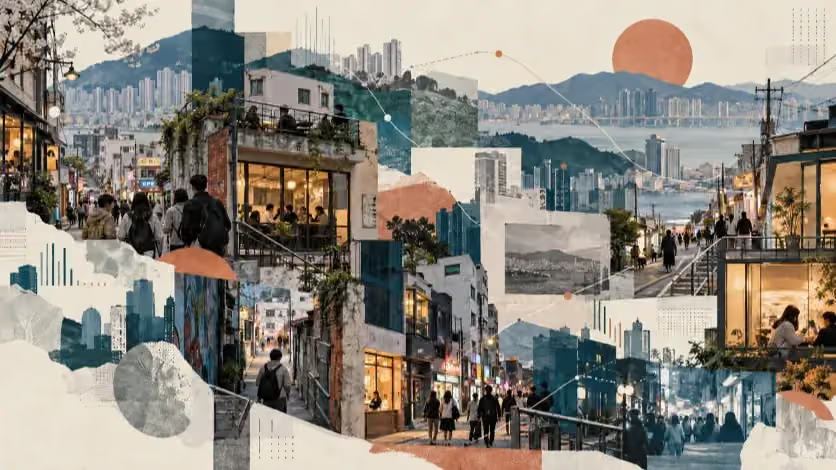
What Became of Busan’s University Streets?
From 2015 to 2023, registered businesses grew near Pusan National University...
 NewsOct 12, 2026
Bukangi, the Shark That Stayed in Busan’s North Port
A rescue net guided Bukangi toward the sea, but the dusky shark returned to B...
More from the author
More from this byline
Stay with the same line of reporting through more work from this byline.
 NewsOct 9, 2026
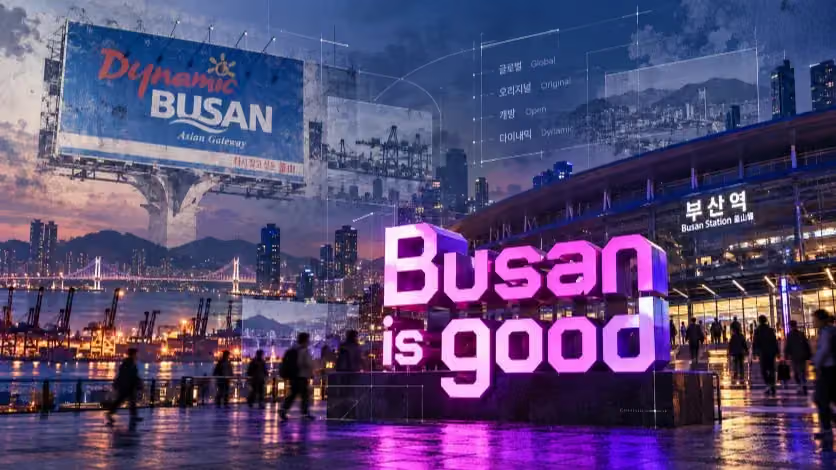
Why “Busan Is Good” Falls Short as a City Brand
 NewsSep 18, 2026
The Other AI Race Is for the Freedom to Change Course
Reader Signal
Community readWhat did this report leave you with?
Choose the signal that best reflects your reading. Select it again to remove it.
One response per article
No response selected
A moderated conversation about the reporting.
One-level replies and newsroom moderation keep the conversation anchored to this article.
Discussion Status
Open
Please sign in to join the discussion.
Newsletter
Weekly reporting and context from Busan and Korea.