Busan’s Ocean Film Festival Makes Waves at Global Marine Summit
As the world’s top policymakers prepare to tackle urgent marine issues at the 10th Our Ocean Conference, Busan offers a cinematic perspective on ocean protection.

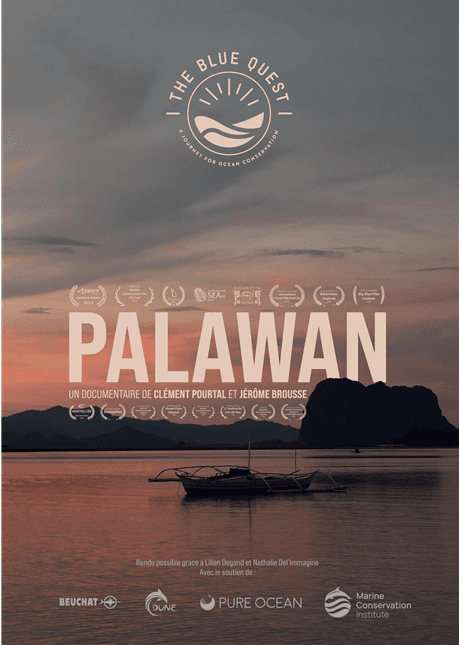
Busan, South Korea — As world leaders gather later this month to address some of the planet’s most pressing marine challenges, a quieter yet powerful voice will join the conversation — that of the sea itself, told through film.
The 8th International Ocean Film Festival, hosted in Busan, will take center stage as an official side event at the 10th Our Ocean Conference (OOC), to be held April 28–30 at BEXCO. With more than 100 countries and over 400 organizations in attendance, the OOC is one of the world’s foremost summits for ocean policy and sustainability. Amid high-level diplomatic negotiations on marine pollution, ocean security, and climate change, Busan will offer a cultural counterpoint: a slate of six ocean-themed films designed to move hearts as much as minds.
The film festival’s participation is both symbolic and strategic. While the OOC’s plenaries will focus on scientific data, international agreements, and funding pledges, the cinematic program aims to humanize the crisis beneath the waves. The selected films span diverse geographies and storytelling modes — from the lush coral-rich waters of Palawan in The Blue Quest, to the spiritual connection between whales and humanity explored in Ocean Souls and SBS’s Whale and Me.
In particular, The Blue Quest: Palawan, to be screened on April 28, documents a rare success story in marine conservation — a Filipino community’s efforts to restore coral ecosystems through grassroots engagement and protected areas. A panel discussion following the film will explore the role of local participation in achieving ecological recovery, emphasizing the conference’s theme of “action for ocean protection.”
Busan’s push to embed itself into the global conversation on ocean sustainability is not new. As a major port city with a thriving maritime heritage, the city has long invested in initiatives linking its identity to the ocean — from hosting marine tech expos to establishing ocean-themed cultural spaces. But this year’s move represents a deliberate pivot toward cultural diplomacy, positioning film as a medium of both reflection and influence.
“In the age of climate fatigue, data alone isn’t always enough,” noted one of the festival organizers. “Film can stir emotion, and emotion leads to empathy — which in turn can lead to action. We want to give the ocean a voice that resonates beyond policy papers.”
The selection of Busan as a cultural partner to the OOC also aligns with broader city ambitions. Following a record-breaking 2.93 million foreign tourists last year — the highest since 2016 — the city aims to surpass 3 million this year by expanding high-value tourism. Events like the Ocean Film Festival serve a dual function: raising awareness and enhancing Busan’s global brand as a vibrant, conscientious coastal city.
Yet the festival's inclusion raises a more philosophical question: can storytelling compete with statecraft when it comes to saving the seas? While policy determines what is legally binding, narratives shape what is publicly acceptable. The Ocean Film Festival’s presence in the margins of OOC may prove just as significant as the official declarations — by putting ocean health into human terms.
Later in June, the festival will return in full force with its 8th edition at Haeundae’s Busan Cinema Center. Scheduled from June 19 to 22, it will feature international screenings, director Q&As, and community events geared toward ocean awareness. According to organizers, this year’s event is expected to be the most ambitious yet, riding the momentum from its OOC debut.
As global oceans warm, plastic accumulates in even the deepest trenches, and marine biodiversity declines at alarming rates, Busan’s choice to spotlight the sea not only reflects its geography but also a growing sense of planetary urgency. Whether through negotiation rooms or cinema screens, the future of the oceans — and perhaps of coastal cities like Busan — increasingly depends on how well we listen to what the tide is telling us.
Continue this reporting
Reporting on the same issue
Related coverage selected from the article's desk, topics and newsroom relationships.
 NewsOct 16, 2026
What Is Still Worth Going to See?
Busan’s biennale faces questions of artistic judgment and institutional care....
 NewsOct 14, 2026
What Became of Busan’s University Streets?
From 2015 to 2023, registered businesses grew near Pusan National University...
 NewsOct 12, 2026
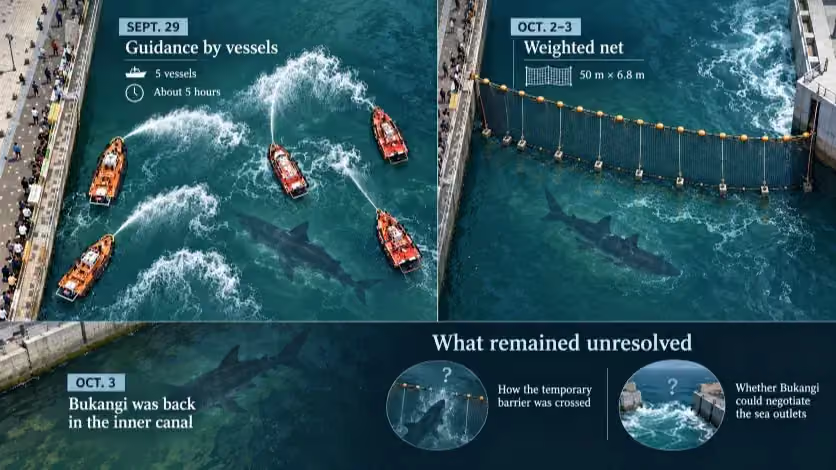
Bukangi, the Shark That Stayed in Busan’s North Port
A rescue net guided Bukangi toward the sea, but the dusky shark returned to B...
More from the author
More from this byline
Stay with the same line of reporting through more work from this byline.
 NewsOct 9, 2026
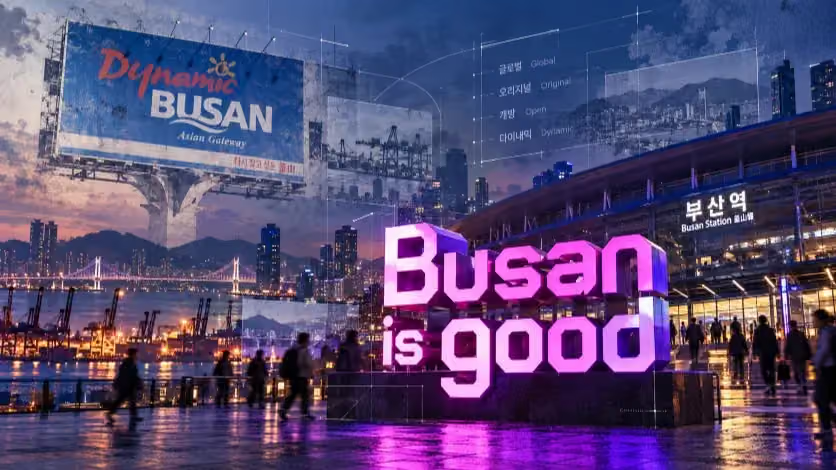
Why “Busan Is Good” Falls Short as a City Brand
 NewsSep 18, 2026
The Other AI Race Is for the Freedom to Change Course
Reader Signal
Community readWhat did this report leave you with?
Choose the signal that best reflects your reading. Select it again to remove it.
One response per article
No response selected
A moderated conversation about the reporting.
One-level replies and newsroom moderation keep the conversation anchored to this article.
Discussion Status
Open
Please sign in to join the discussion.
Newsletter
Weekly reporting and context from Busan and Korea.