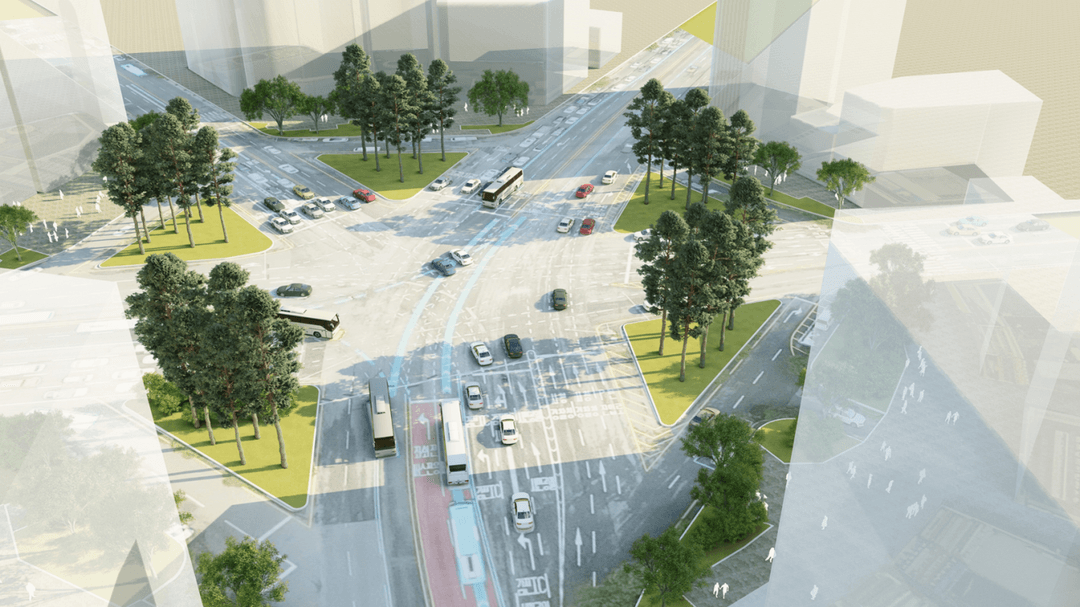
Busan’s Urban Future: Rethinking Roads, Green Spaces, and Livability
Busan is rethinking its roads and green spaces, integrating nature into urban infrastructure to improve livability, sustainability, and pedestrian access.
Discover the latest news from Busan, covering local events, economy, politics, and culture. Stay informed with Breeze in Busan.
Busan is rethinking its roads and green spaces, integrating nature into urban infrastructure to improve livability, sustainability, and pedestrian access.

South Korea’s prison system is bursting at the seams, with overcrowding rates soaring above 124% nationwide. Inside packed cells, inmates face deteriorating conditions, increased violence, and a lack of resources.
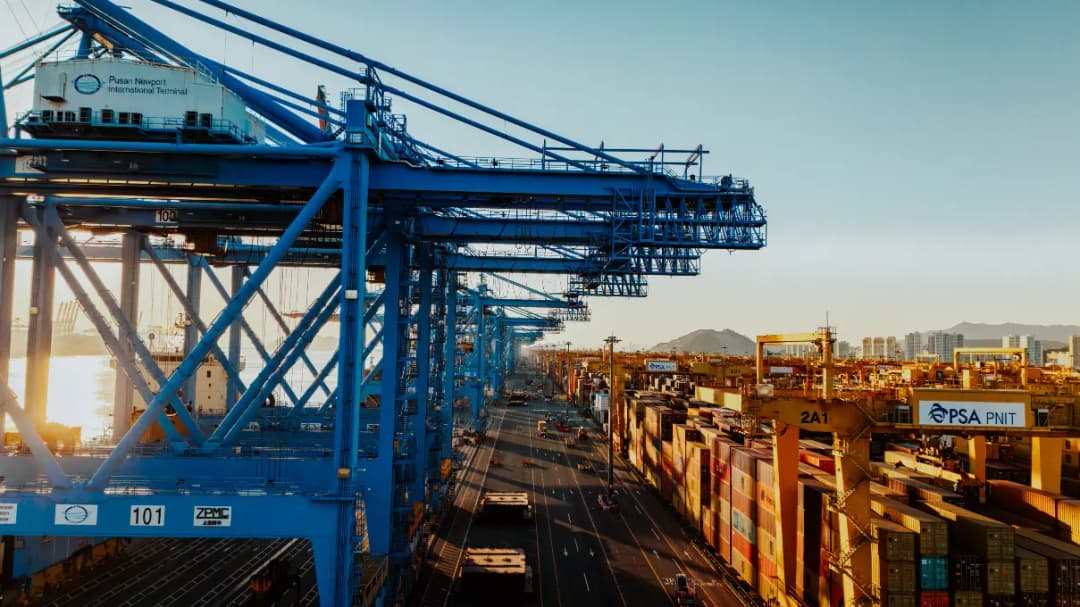
Busan’s economy is in decline while Incheon surpasses it in GDP and population. Can Korea’s first metropolitan city reclaim its position?
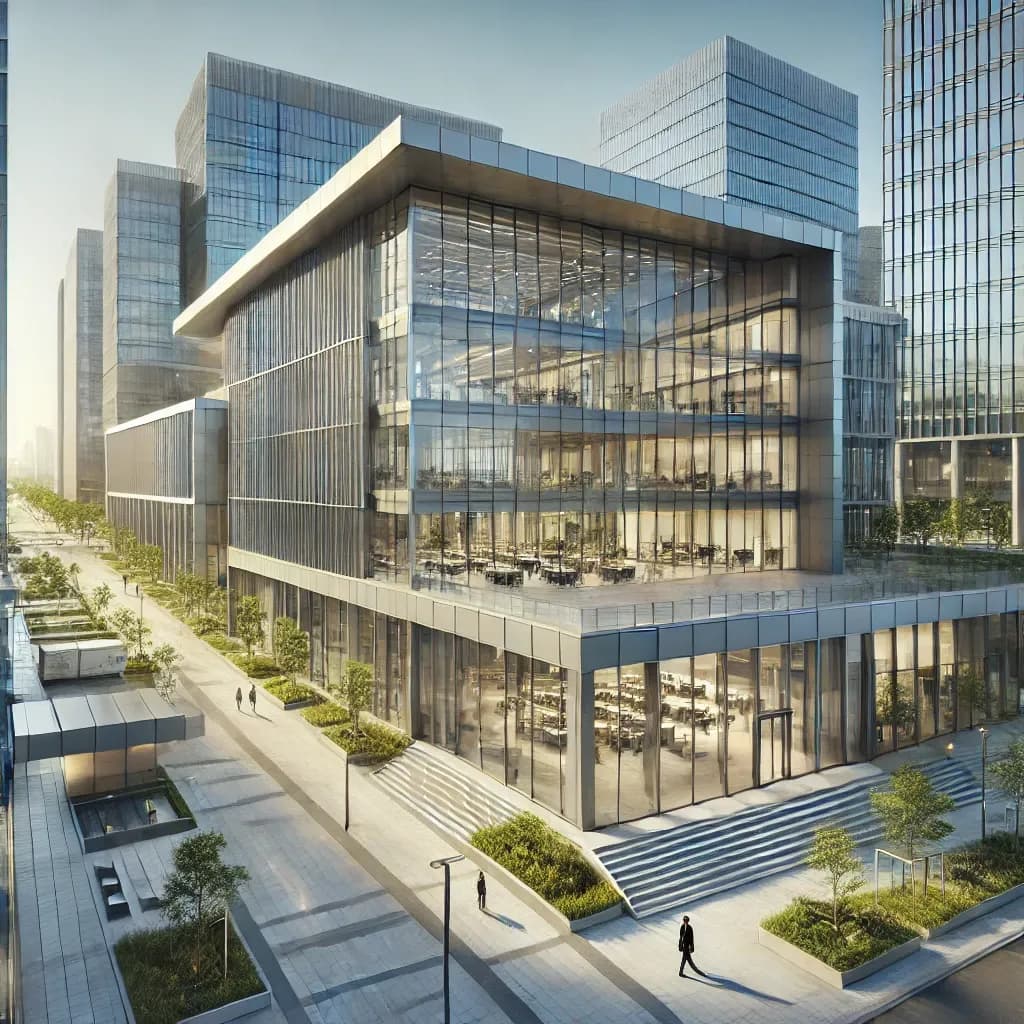
South Korea’s knowledge industry centers were meant to support startups and SMEs, but oversupply and speculative investment have left thousands of office spaces vacant, driving investors into financial distress.

Self-employment in South Korea has reached a historic low, with the number of small business owners falling below 5.5 million. As debt surges and revenue drops, the future of independent businesses looks uncertain.
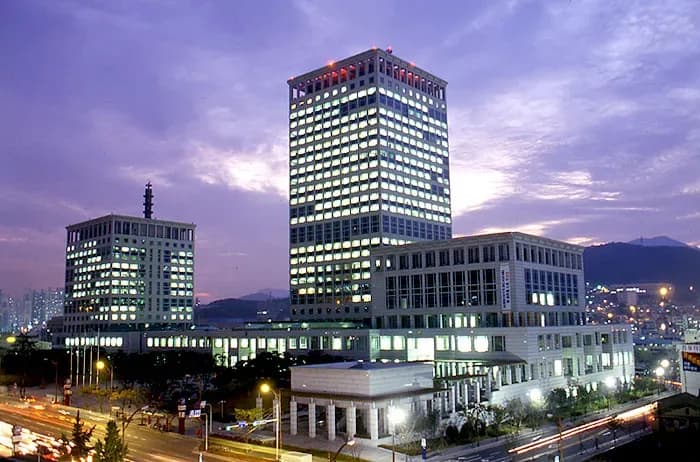
Busan’s new job initiative promises 350 jobs with a 7.4 billion won budget. But will it create real, sustainable employment or just repeat past failures?
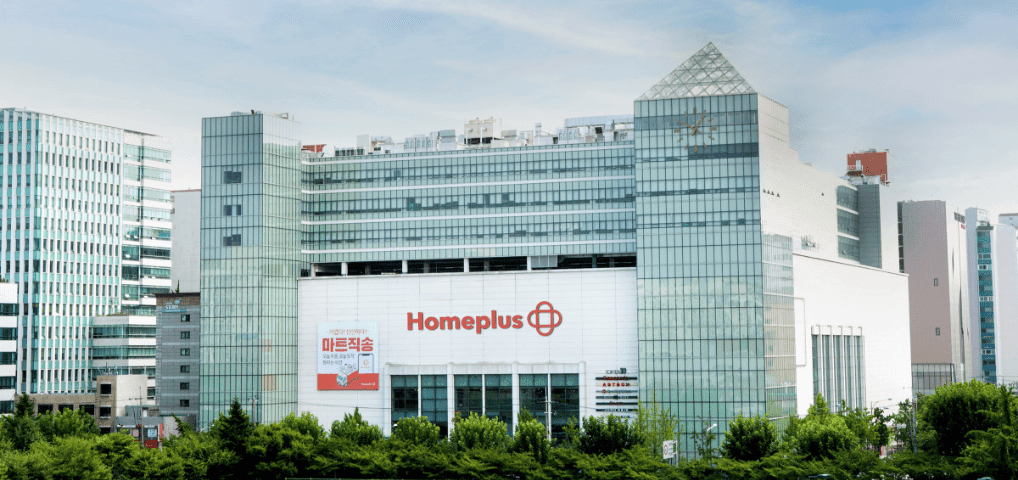
The decline of Homeplus marks a turning point for South Korea’s retail industry. E-commerce, debt, and shifting consumer habits have reshaped the market—can Homeplus adapt?
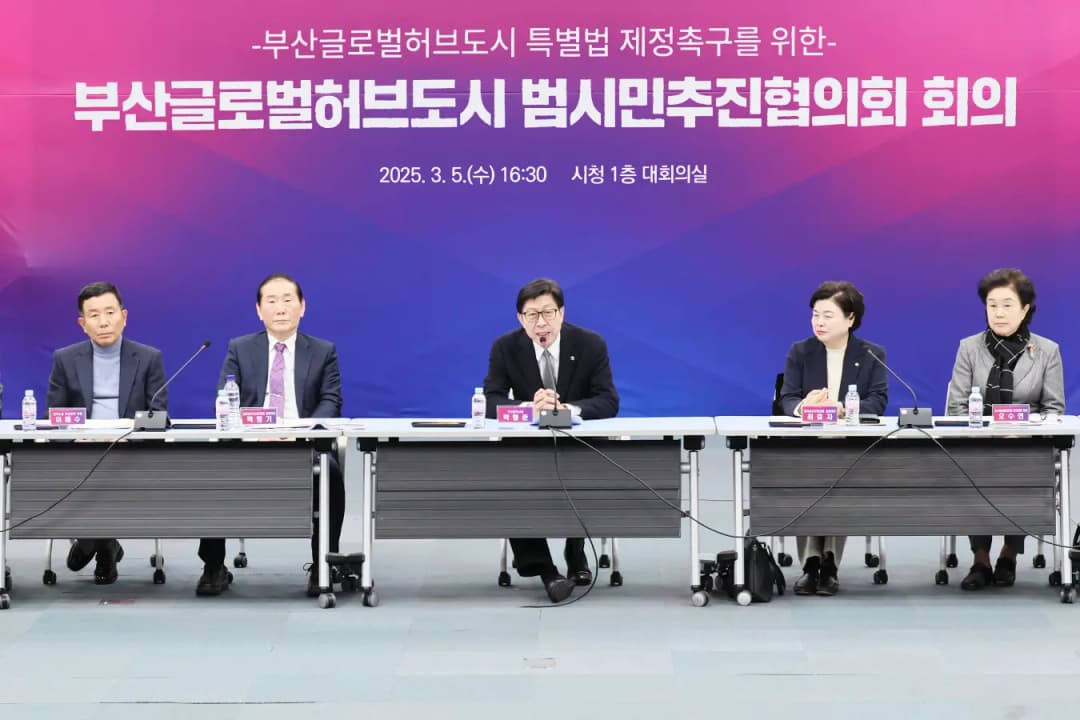
Can Busan become a true global economic hub? The Global Hub City Special Act promises jobs, investment, and innovation—but execution remains the key challenge.

The Arctic shipping era is here. With the Northern Sea Route reducing Asia-Europe transit times by 40%, can Busan emerge as the key transshipment hub for Arctic trade?

South Korea’s new town developments—built with high-rise apartments, oversized roads, and isolated commercial zones—were supposed to be the future of urban living. Yet, they have instead become psychologically exhausting, socially disconnected, and economically unsustainable.

As North Korea expands its nuclear arsenal and U.S. foreign policy shifts, calls for South Korea’s own nuclear program are growing. But is nuclear armament really the best path forward?
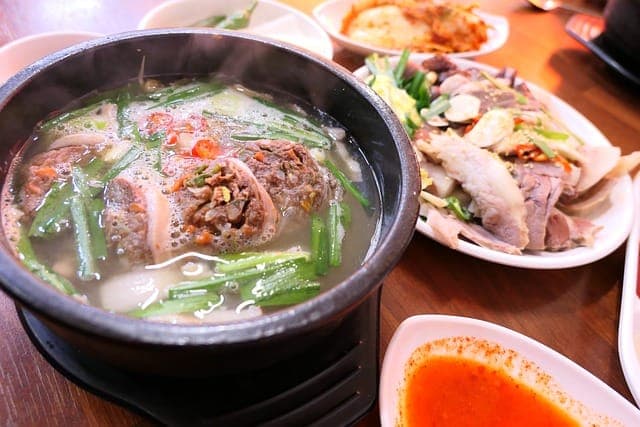
Dwaeji gukbap, once an affordable Korean comfort food, now costs more than a McDonald’s Big Mac set. Rising inflation, ingredient shortages, and labor costs have driven traditional food prices higher, while fast food remains relatively cheap.
Search within Next Sohee Exposes Labor Exploitation And Emotional Stress In The Korean Workplace or the wider site.