
Designed to Distract: How Overstimulation Reshapes the Mind
Why do small sounds feel unbearable? Why does silence feel unnatural? Neuroscience, psychology, and culture all point to the same answer: too much, too fast, for too long.
Discover the latest news from Busan, covering local events, economy, politics, and culture. Stay informed with Breeze in Busan.
Why do small sounds feel unbearable? Why does silence feel unnatural? Neuroscience, psychology, and culture all point to the same answer: too much, too fast, for too long.

Aesthetic care is thriving — but at what price to the country’s healthcare system? Inside the contradiction between cosmetic excellence and essential care collapse.

Trendy vegan cafés are thriving in Korean cities, but they may be eclipsing more practical, affordable, and ecologically grounded food traditions. What’s lost when clean eating becomes a brand — and who gets left behind?
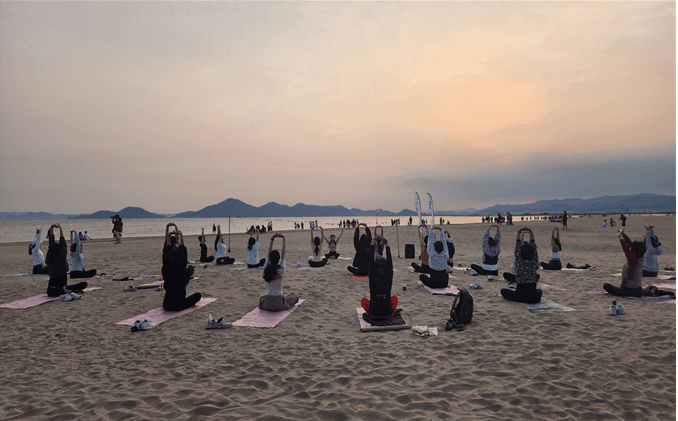
Busan's Ocean healing program blends yoga, pilates, and sound meditation into a coastal wellness experience that redefines city tourism.
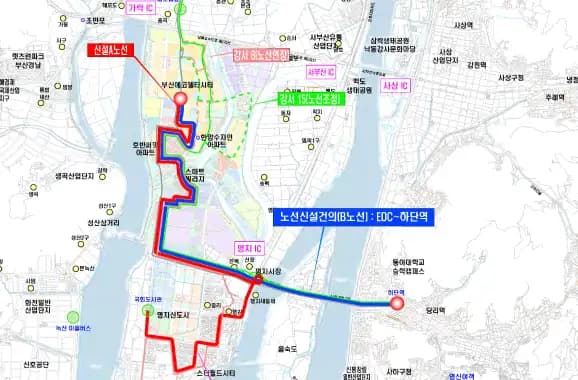
Eco Delta City was designed as a smart, 15-minute neighborhood. But residents still face long commutes and car dependency in this incomplete urban plan.
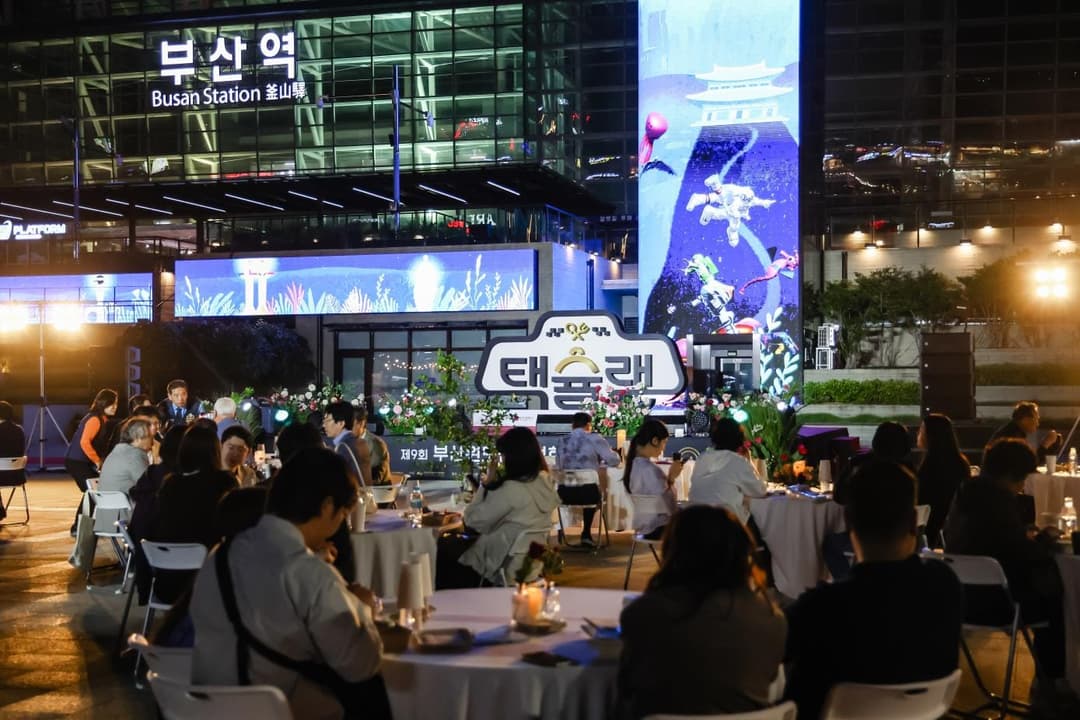
A new food guide in Busan features 28 eateries recommended by long-time taxi drivers, offering a grounded and local view of the city’s culinary identity.
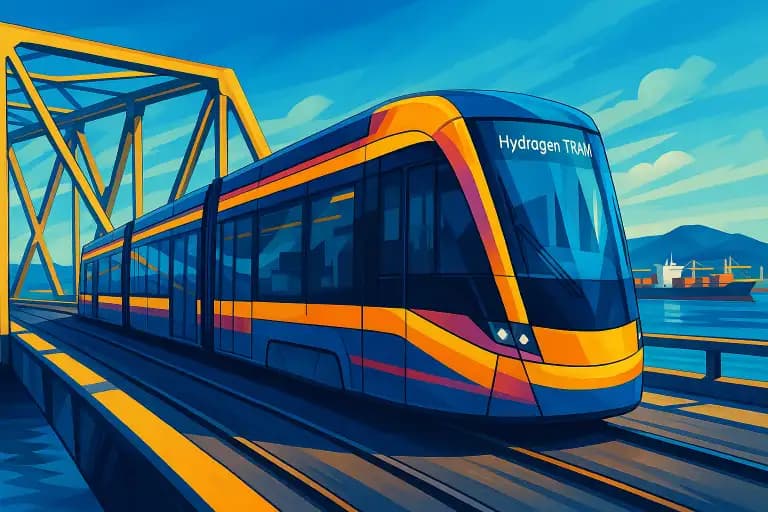
Busan's 2026–2035 plan outlines 10 core routes with a focus on clean energy transit and regional connectivity, including the flagship BuTX line.

As South Koreans struggle to afford lunch and small restaurants shut down at record rates, cities like Busan are revealing the deeper fractures in the country’s domestic economy — from stagnant wages and inflated rents to a platform economy that drains value from local commerce.
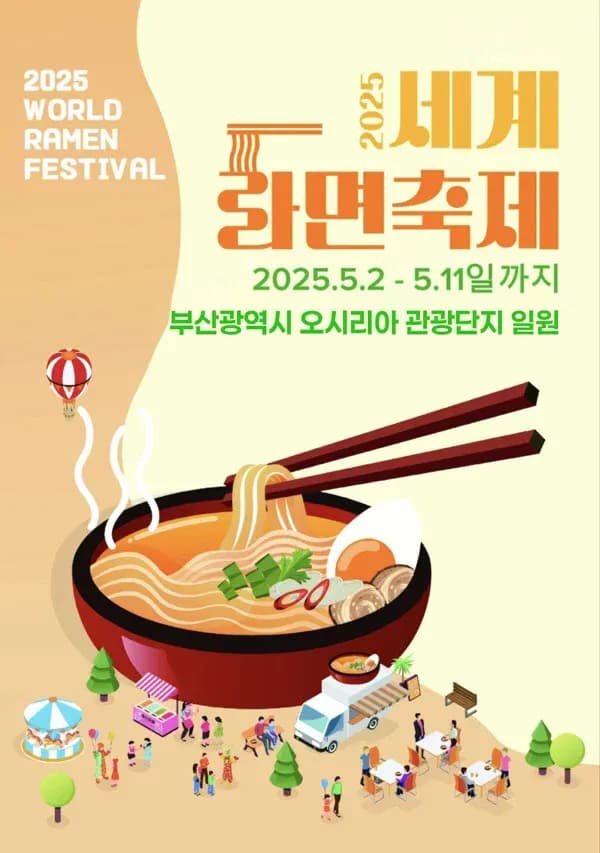
The 2025 World Ramen Festival in Busan promised global flavors and social impact — but visitors found disarray, broken promises, and little more than lukewarm noodles.

South Korea's true crisis is not low fertility, but the unraveling of institutional trust and social solidarity in a society that no longer believes in a common future.

Despite the appearance of constant busyness, most office workers spend less than three hours a day in focused work. This section uncovers the disconnect between activity and output in white-collar jobs.

Religious doctrines may fade, but deeper patterns endure.In South Korea, ancient traditions have migrated from temples into gestures, emotions, and social expectations.This is a story about how we live what we no longer believe—and why it matters.
Search within Next Sohee Exposes Labor Exploitation And Emotional Stress In The Korean Workplace or the wider site.